

Diabetes care has always required clinical judgment, persistence and partnership. But the work of diabetes management is changing. Today, clinicians, patients, device partners, hospitals and health systems are navigating more data than ever before, including continuous glucose monitoring (CGM) readings, insulin delivery data, device uploads, remote monitoring signals, inpatient glucose trends, medication context and quality measures. The opportunity is enormous, and so is the burden.
For data to improve diabetes care, it cannot simply be available. It has to become understandable, clinically relevant and usable in the moments when care teams need to make decisions. It has to help clinicians see which risks are emerging, which patients may need attention and which patterns may otherwise remain hidden inside averages or isolated encounters.
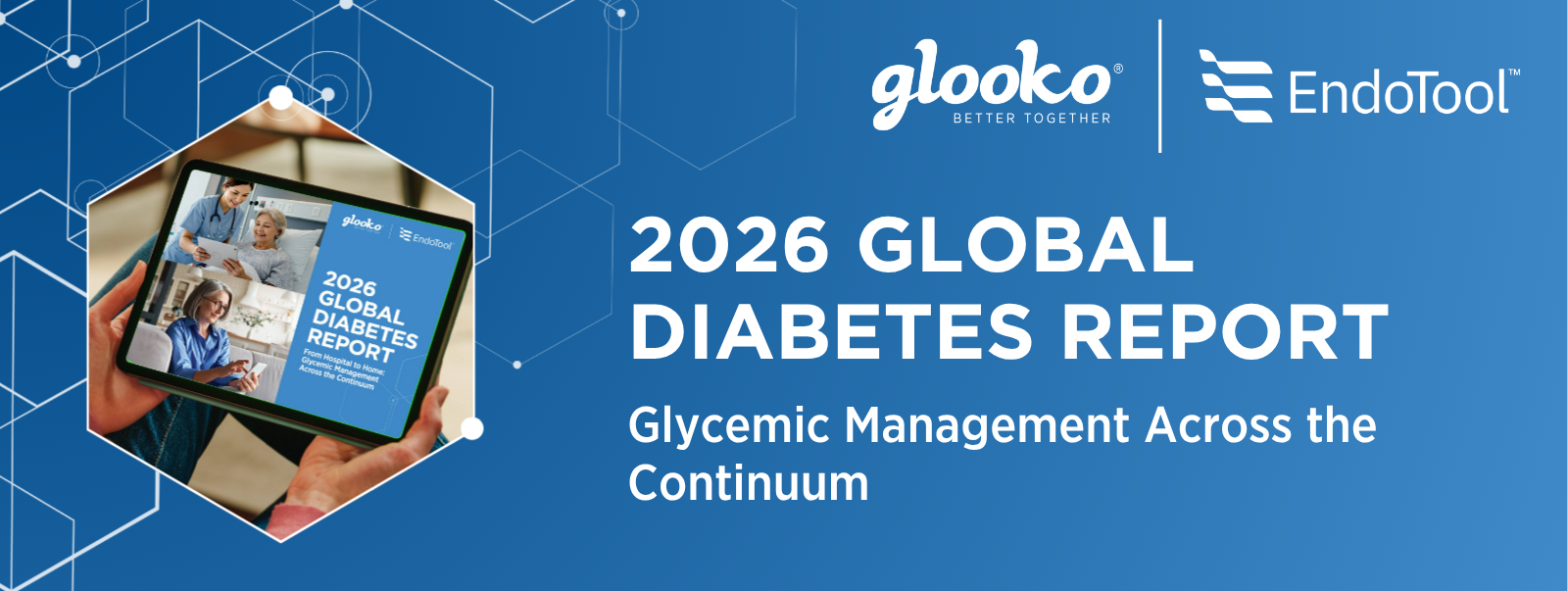
That is the focus of the 2026 Glooko Global Diabetes Report, From Hospital to Home: Glycemic Management Across the Continuum.
The scale of connected diabetes data has reached a new threshold. By 2025, more than 60 billion CGM readings flowed through the Glooko platform, supported by more than 1 million active patients, 30,500 clinicians, 9,000 clinics and a global footprint across 1,082 geographic locations. This scale is not included in the report as background context. It is the foundation for a different kind of insight: the ability to see change across populations, identify risk patterns that no single clinic could see alone and surface cohorts that may benefit from more focused review.
This year’s data also shows how quickly diabetes care is evolving. Device use is shifting across geographies and diabetes types. Automated insulin delivery adoption has grown rapidly, including among people with Type 2 diabetes, a population that has historically been less visible in advanced diabetes technology research. These changes matter because the connected population of today is not the same as the connected population of five years ago. As devices, workflows and patient behaviors evolve, diabetes data must evolve from static measurement to dynamic population intelligence.
The report also reinforces that summary metrics do not always tell the whole story. Time in Range, Glucose Management Indicator, Time Below Range and Time Above Range remain important, but they can flatten the timing, recurrence and severity of risk. Two patients may appear similar by standard metrics and still face very different safety concerns. One may have repeated overnight lows. Another may carry persistent daytime hyperglycemia. A third may look near target but still face clinically meaningful overnight hypoglycemia risk.
That is why the report examines not only what happened, but when it happened and who may be most at risk. One of the clearest examples is the updated overnight hypoglycemia analysis. In the report, the highest-risk group appeared near target by familiar measures yet had substantially more overnight hypoglycemia exposure. The model was validated across 586,549 patient weeks and showed a 2.79x lift in identifying observed overnight hypoglycemia compared with baseline selection.
This is the practical value of connected data at scale. It can help clinicians and care teams move from broad review to more focused action. It can show that low overnight hypoglycemia risk does not necessarily mean low overall burden, and that near-target control does not always mean low safety risk. It can help separate overnight lows, daytime highs, variability and composite glycemic risk so care teams can ask better questions and focus their limited time more effectively.
This year’s report also extends the glycemic management conversation into the hospital. Inpatient glycemic management is highly individualized, especially for patients with diabetic ketoacidosis, Hyperglycemic Hyperosmolar State, renal impairment, steroid exposure, acute illness, changing nutrition status or complex insulin needs. EndoTool data offers a complementary view of this inpatient safety layer, showing how patient-specific factors shape glycemic management during acute care. Together, clinic-level Glooko insights and inpatient EndoTool insights point toward a broader continuum-of-care opportunity: not one dataset, one dashboard or one encounter, but a more connected understanding of glycemic management across the hospital, clinic and home.
We are careful not to overstate what is connected today. The outpatient and inpatient data views in this report are complementary, not interchangeable. But taken together, they show where diabetes care is headed. The future is not simply more data. It is better signal clarity. It is population-level visibility paired with patient-level action. It is workflow-driven care that helps reduce cognitive burden, support safer decisions and make risk easier to see before it becomes harmful.
For frontline clinicians, we hope this report validates both the complexity of diabetes care and the need for tools that make data more actionable. For device partners, we hope it shows the value of connected ecosystems that can translate device data into population insight. For hospitals and health systems, we hope it illustrates why glycemic management should be treated as a cross-setting, workflow-driven priority.
The insights in this report are real-world data summaries intended for education and discussion. But the purpose behind them is practical: to help the diabetes community better understand where risk concentrates, how care is changing and how connected data can support safer, more focused diabetes and glycemic management at scale.