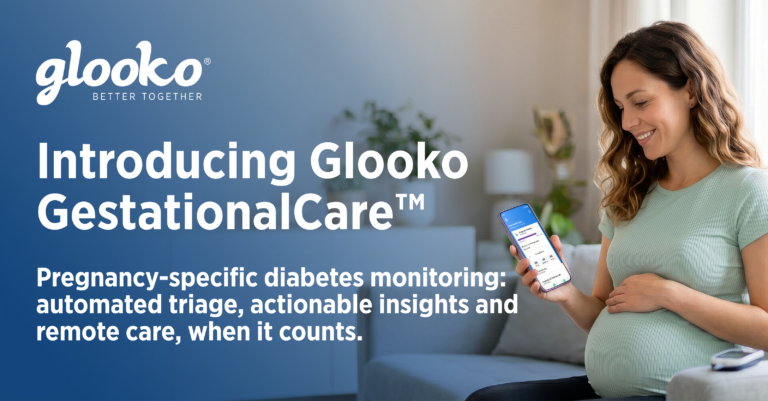




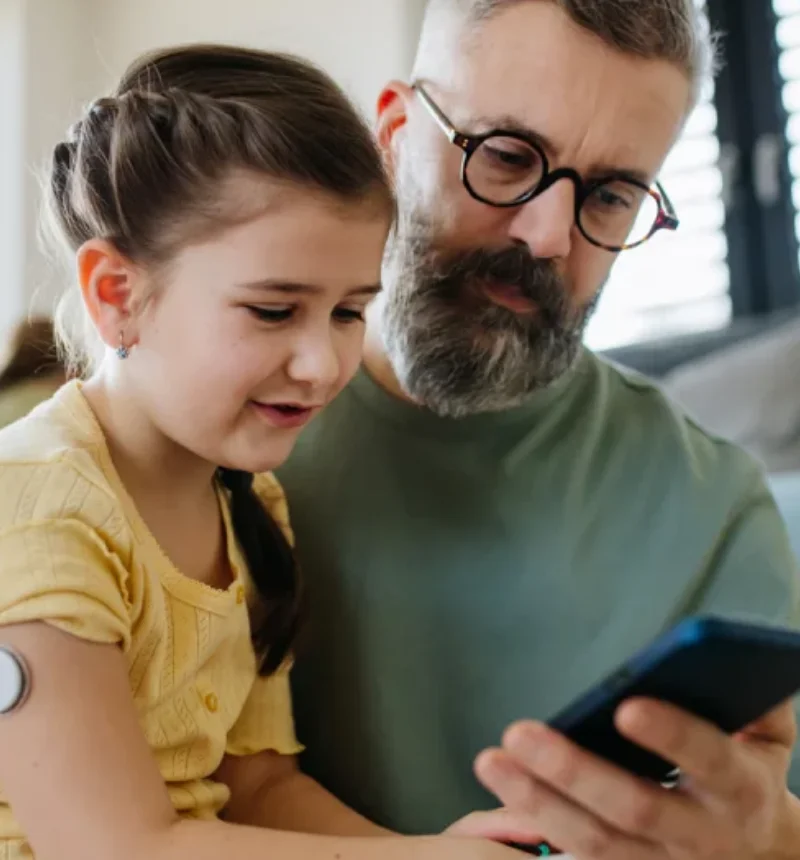
Diabetes management
in pregnancy runs on a
compressed clock.
Learn More Patients and care teams need shared visibility.
The ROI of EHR-Integrated
Diabetes Data
Case Study
Is your hospital ready for required CMS reporting
on inpatient insulin management systems?
See your Readiness Score
2026 GLOBAL
DIABETES REPORT
Learn More Glycemic Management Across the Continuum
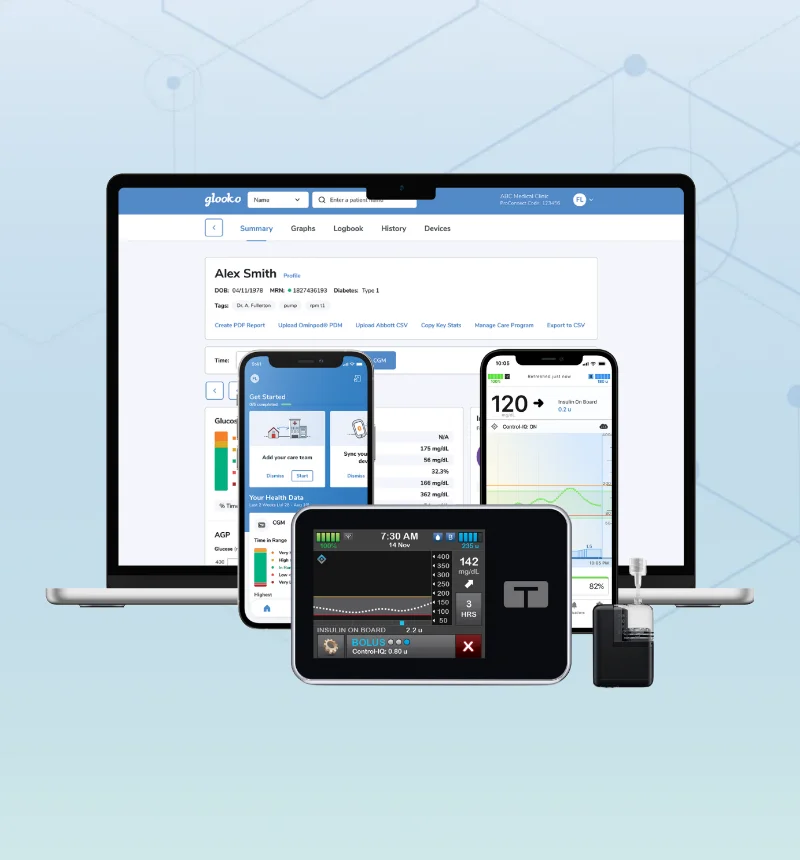
The Glooko platform is now
cloud-connected to Tandem
insulin pumps 
Explore the benefits
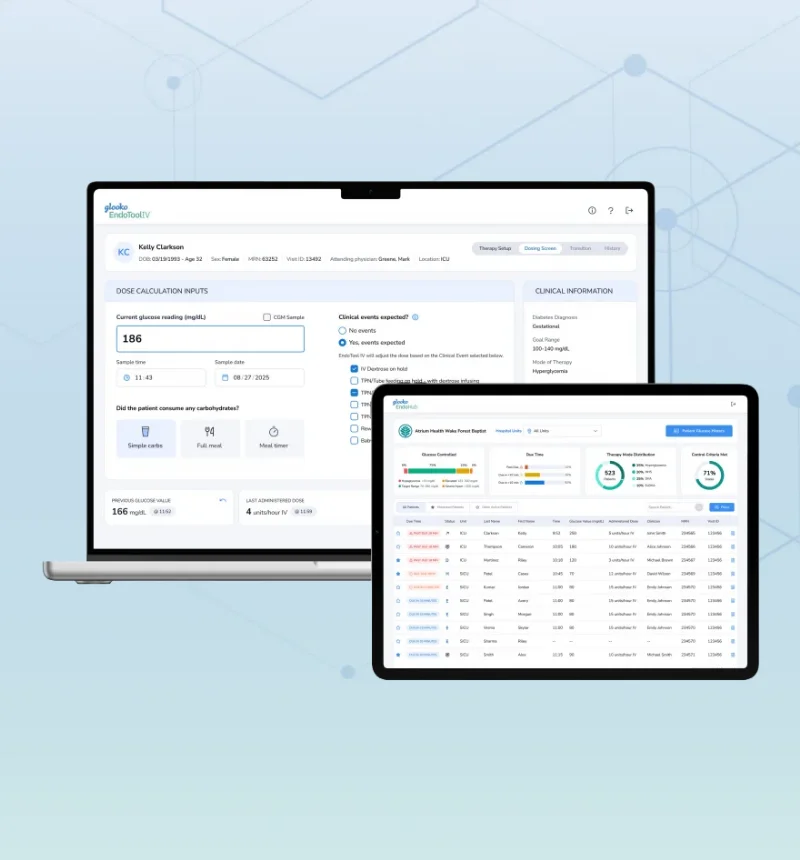
EndoTool IV Cloud receives
510(k) FDA clearance
Learn more
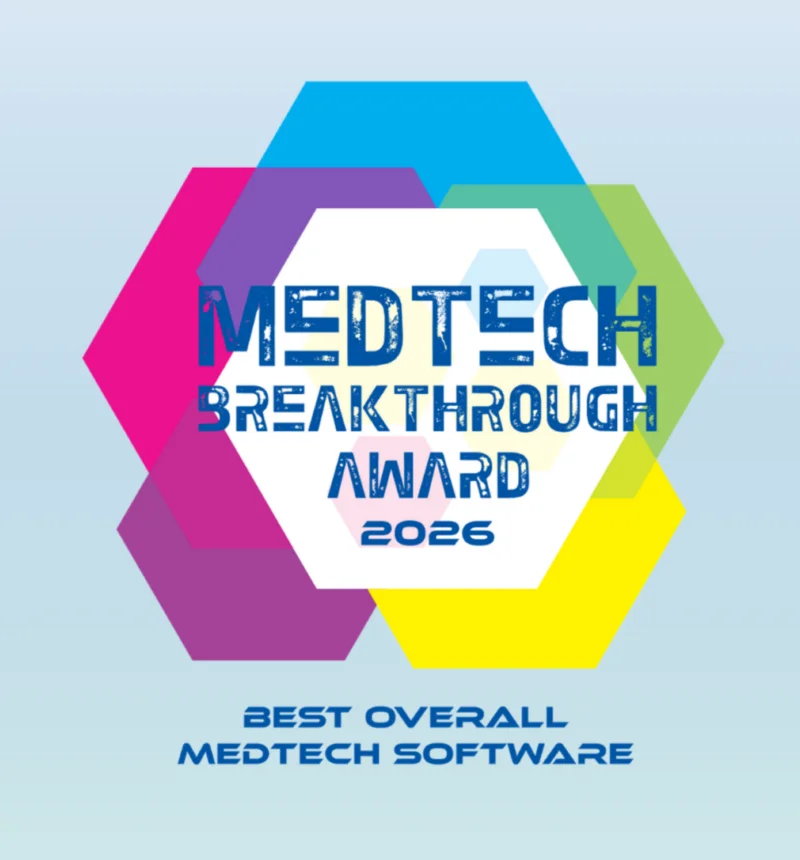
Glooko wins “Best Overall MedTech Software”
in 2026 MedTech
Breakthrough Awards
Learn more
Glooko and mylife Diabetes
Care expand diabetes data
management partnership
Case Study
Play button Glooko at EASD 2025 Glooko EHR Integration Webinar on February 12 Glooko at HIMSS26 Glycemic Safety Webinar Roche Accu-Chek SmartGuide CGM Refreshed Glooko Mobile App for Diabetes Glooko at SHM Converge 2026 Glooko's CMS Glycemic Safety Readiness Hub Glooko Wins “Best Overall MedTech Software” in 2026 MedTech Breakthrough Awards Glooko's CMS Glycemic Safety Readiness Hub Glooko's CMS Glycemic Safety Readiness Hub Glooko's CMS Glycemic Safety Readiness Hub Glooko's CMS Glycemic Safety Readiness Hub Glooko's CMS Glycemic Safety Readiness Hub Glooko's CMS Glycemic Safety Readiness Hub

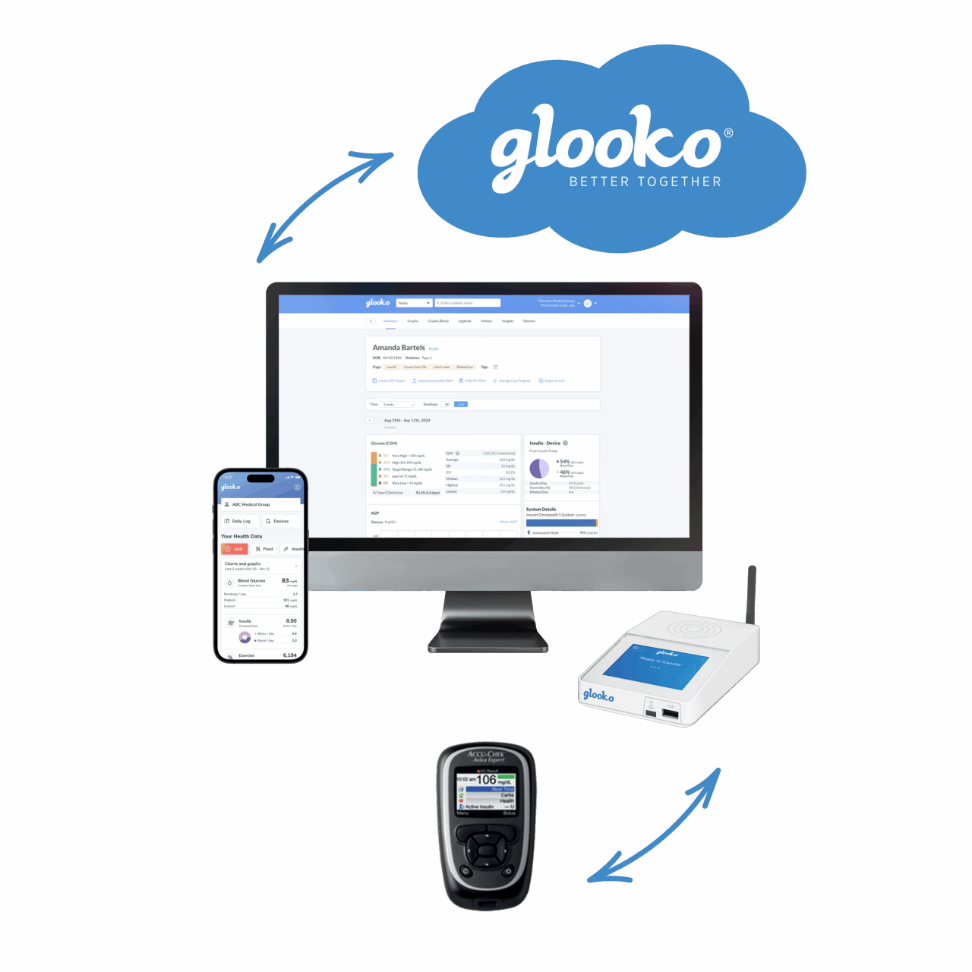
Outpatient Glooko Diabetes Management Platform

Simplifying diabetes care through seamless device integration, streamlined clinical workflows, and actionable insights to allow more time to focus on patient care.

Inpatient EndoTool
Glucose Management System

Navigating glycemic management with the only patient-specific insulin dosing system.

Glooko Mobile App for People with Diabetes

Helping people living with diabetes better manage and understand their condition by syncing data from more than 200 diabetes and health monitoring devices, providing comprehensive visualizations, and enabling secure remote collaboration with care teams to improve health outcomes.

Delivering measurable health outcomes

With Glooko, people living with diabetes experience improved health outcomes within three months, increasing and sustaining results after one year.

%

reduction in average blood glucose in 3 months1

point reduction in HbA1c in 3 months2

%

drop in hyperglycemic events in 3 months1

months sustained outcomes1

1. Remote patient monitoring in the real world: Immediate and long-term improvements in glycemic control. Sheng, T et al. American Association of Diabetes Educators (AADE) Emerging Science Poster, 2019
2. Deteriorating Glucose Control In Patients With Diabetes After Disengagement From A Mobile Health App. Babikian, S et al. Diabetes Technology Meeting, Poster, 2020

integrated devices

countries and growing

clinics worldwide

* Number of clinics includes clinics using the Glooko® System, GlookoXT®, and diasend® System since the respective launch of each product. 

Setting the standard for diabetes data security

With our multiple top-tier global security and privacy certifications, we ensure the highest level of protection for patient health data. Through rigorous third-party audits and strong internal governance, we embed data security and privacy into every aspect of our operations.

ISO

Our Latest News and Insights

3 MIN READ

Connecting the Continuum: Why Inpatient and Outpatient Glycemic Management Matters for Health System Leaders

September 8, 2026

The Glooko team is heading to Chicago for Becker’s 11th Annual IT + Revenue Cycle Conference from September 14 to 17. This conference brings together CIOs, CFOs, CMIOs, and digital health leaders who are shaping the future of health system strategy, EHR optimization, interoperability, and revenue cycle performance. At booth 5113, we’ll showcase how Glooko helps health systems simplify diabetes and glycemic management across the care continuum, from hospital to home. Stop by to explore our offerings for inpatient glycemic safety, outpatient diabetes management, and diabetes self-management, all supported by one trusted technology partner. We’ll share how an enterprise partnership approach can help health systems reduce manual documentation, support CMS glycemic quality measures and simplify the operational complexity of managing multiple point solutions. Built Around the Way Health Systems Work Care teams’ time and administrative bandwidth are stretched thin, yet they’re frequently forced to juggle multiple point solutions for glycemic management, creating portal fatigue, duplicate documentation, and fragmented patient data. Rather than forcing the adoption of separate tools, Glooko adapts to existing health system infrastructure with cloud-forward solutions, enterprise-grade security, and native EHR-connected workflows. Precision at the Bedside with Glooko EndoTool: In the hospital, the legacy EndoTool platform standardizes inpatient glycemic management with trusted, patient-specific insulin dosing across intravenous (IV) and subcutaneous (SubQ) modalities. Glooko EndoTool IV—commercially available later this year—maintains the platform’s foundational dosing algorithm with a more intuitive workflow that helps health systems gain a scalable deployment featuring EHR launch and single sign-on (SSO) workflows. Outpatient Continuity with GlookoCare: In the clinic, GlookoCare gives care teams device-neutral visibility into CGM, BGM, and pump data across more than 200 diabetes and health monitoring devices. Our new GestationalCare module, available in the United States in October, extends these workflows seamlessly into OB/GYN and maternal-fetal medicine specialties, enabling risk stratification, fasting/post-meal review, and postpartum follow-up for gestational, Type 1, and Type 2 diabetes during pregnancy. Unlocking Efficiency, Interoperability, and Enterprise ROI For health systems, the opportunity to improve diabetes care looks different across inpatient and outpatient settings, but both require clinical workflows that are efficient, scalable and easier for care teams to manage. In the hospital, Glooko’s inpatient solution supports safer, more standardized glycemic management with patient-specific insulin dosing guidance. By helping reduce glycemic events, unnecessary workflow variation and bedside burden, health systems can address important drivers of length of stay, cost, and quality performance. In outpatient care, Glooko helps simplify diabetes data management by bringing device data and insights into clinical workflows, including through EHR integrations that reduce manual documentation and make information easier to access where care teams already work. This helps organizations manage growing diabetes populations more efficiently while supporting stronger connections between patients and care teams. Across the continuum, Glooko offers health systems a single strategic partner with solutions designed for distinct care settings—helping reduce operational complexity while supporting enterprise-wide diabetes and glycemic management priorities. Improve Inpatient Efficiency: Standardized, patient-specific insulin dosing guidance helps reduce nursing burden and protocol variation. Address Length of Stay and Cost: Better inpatient glycemic management can help reduce adverse events associated with longer stays and higher costs. Scale Outpatient Workflows: EHR-integrated diabetes data helps reduce manual documentation and gives clinicians easier access to the information they need. Simplify the Enterprise Approach: Work with one diabetes technology partner across inpatient, outpatient and self-management needs rather than managing a growing collection of point solutions. Planning to be in Chicago for Becker’s 11th Annual IT + RCM Conference? Connect with the Glooko team to explore how our enterprise solutions can unify your glycemic care strategy from hospital to home. Schedule a demo of our diabetes management platform This blog is not part of Becker’s 11th Annual IT + RCM Conference. This content is neither sponsored nor endorsed by Becker’s Healthcare. This content does not qualify for continuing medical education (CME) credit.

Learn More
3 MIN READ

Diabetes Management in Pregnancy Runs on a Compressed Clock. That’s Why Patients and Care Teams Need Shared Visibility

September 1, 2026

In diabetes care, timely intervention and management always matter. During pregnancy, time plays an especially significant role. Pregnancy compresses clinical decisions into a window measured in weeks, and glucose patterns can shift quickly. For people entering pregnancy with Type 1 or Type 2 diabetes, management often begins before conception. For those diagnosed with gestational diabetes (GDM), pregnancy is already well underway when a new monitoring and treatment routine begins. Care teams have limited time to identify changing patterns, adjust the care plan and coordinate across specialties. Yet many workflows still depend on paper logs, portal photos or spreadsheets sent through the EHR every week or two. Before clinicians can act, they may first have to reconstruct the story. A diagnosis that takes an emotional toll Gestational diabetes diagnoses often happen early in the third trimester. Until that moment, a patient may have been focused on prenatal appointments, the baby’s development, and preparing for a new child at home. Suddenly, each meal becomes a clinical decision, and every glucose reading can shape the next several hours. The work is both practical and emotional, and includes obtaining supplies, pricking a finger several times a day or getting used to a new CGM, timing checks around meals, recording each value, anticipating the next test and worrying that one number means something is wrong. Even within our team at Glooko, we have heard several stories of these lived experiences within the past few years. Amy Dominicci, a member of the Glooko marketing team, was diagnosed with gestational diabetes during her second pregnancy and required insulin. She tested four times a day and recorded the results in a paper log. Repeated every day while managing a pregnancy and the rest of life, those tasks became a substantial burden. Amy’s experience captures an important truth: monitoring becomes part of nearly every decision. Did I eat the right thing? Can I take this meeting before I test? Was that value high because of breakfast, stress, poor sleep or something changing in the pregnancy? There is rarely a completely passive day. The patient often becomes the integration layer Julia Fuller, also on our marketing team, experienced gestational diabetes during both of her pregnancies. Her first was managed through diet; during her second, she required insulin. Her care centered on biweekly discussions with a dietitian and diabetes educator, while she recorded her readings in spreadsheets and sent them through the EHR every two weeks between visits. Both pregnancies became more medically complex. After her first delivery, Julia developed postpartum preeclampsia. During her second, she experienced recurring nighttime hypoglycemia and delivered at approximately 38 weeks after placental concerns emerged. Amy’s paper logs and Julia’s spreadsheet were different versions of the same problem: the care team saw the pattern only after the patient delivered it. They were not only generating the data, but also organizing it, transporting it, and making sure it reached the right person – effectively becoming the integration layer for their own care. Shared visibility for pregnant individuals and care teams Clinicians experience the other side of this burden. Information may arrive in batches, in different formats, and without the context needed for efficient review. Across OB/GYN, maternal-fetal medicine, endocrinology, dietetics, diabetes education, and nursing, the information must remain coherent or the team has to reconstruct the story before deciding what to do. Priority-based monitoring does not replace clinical judgment. It organizes available information so judgment can be efficiently applied to the right patients at the right time, surfacing which individuals may need attention, then supporting pregnancy-specific review of fasting and post-meal readings, low readings, missing data, and meal context. For Amy, that could have meant making daily readings visible without carrying a paper record to the appointment. For Julia, it could have meant making nighttime lows visible between spreadsheet submissions. The goal is a clearer view that helps the patient and clinician understand the same story. Between-visit care is still care Scheduled visits remain essential, but glucose review, education, questions, and care plan reassessment can often occur between appointments, allowing digital tools to optimize in-person care rather than diminish its importance. Device syncing, mobile logging, meal context, educational resources, and secure communication can reduce manual burden while keeping patients connected to their care teams. That connection should continue after delivery by preserving pregnancy history and supporting an appropriate postpartum transition. Moving from manual reporting to shared visibility This is the thinking behind Glooko GestationalCare, the pregnancy-specific module within the GlookoCare outpatient diabetes platform. It is designed to help teams review their pregnancy population, identify patients who may need attention, understand fasting and post-meal patterns, engage patients between visits, and preserve continuity through postpartum transition. For patients, supported mobile workflows can include device syncing, logging, meal tagging, goal tracking, education, and secure connection with the care team. For clinicians, the information can be organized into a pregnancy-specific workflow. GestationalCare supports GDM as well as Type 2 and Type 1 diabetes in pregnancy where approved, with capabilities varying by market and implementation. Technology cannot remove the clinical uncertainty of diabetes in pregnancy or guarantee a different outcome. However, it can address care fragmentation or manual burden. Care teams should spend less time determining where to begin, and pregnant individuals should spend less time serving as the courier and organizer of their own data. GestationalCare is now available to users in the United Kingdom and is expected to be available to customers in the United States by October 2026. United Kingdom: Available Now! Learn more or request a personalized pregnancy-workflow demonstration here. United States: Join the priority-access list here.

Learn More
2 MIN READ

Glooko at ADCES26: Advancing Connected Diabetes Care for CDCES Teams

August 13, 2026

We had a great time at ADCES26 connecting with diabetes care and education specialists and sharing how Glooko’s diabetes management platform optimizes certified diabetes care and education specialist (CDCES) workflows. Throughout the event, conversations consistently came back to the same need: technology should reduce friction for care teams, whether in the clinic, between visits, or within existing health system workflows. At our booth, the Glooko team highlighted how our platform is built around the way care teams actually work. From bringing data from more than 200 devices into one place to turning CGM information into actionable insights, our platform is designed to reduce the burden of device downloads, disconnected systems, and manual documentation so CDCESs can spend more time focused on care. We also shared how direct EHR integrations, including insulin pump settings in clinical workflows, help make diabetes data easier to access and act on at the point of care. A key part of our presence at ADCES26 was highlighting Glooko’s partnership with Modular Medical. As Modular Medical’s diabetes data management company of record, Glooko helps centralize device data into a unified, actionable view that supports everyday clinical decision-making. Modular Medical’s Pivot tubeless insulin pump also drew strong interest from attendees as an innovative new option truly designed for everyday life. We’re looking forward to Pivot’s launch later this year! Together, Glooko and Modular Medical represent a shared vision for more connected diabetes care: simplifying access to advanced therapy, reducing workflow friction, and improving the experience for both care teams and people with diabetes.  Thanks to everyone who visited us at ADCES26 and shared feedback on what they need to improve diabetes care. Those conversations will continue to guide how Glooko evolves to support more connected, person-centered care across settings. Explore how integrated EHR workflows can reduce complexity, streamline diabetes data management, and help deliver a more connected care experience. Schedule a demo of our diabetes management platform This is not part of the 2026 Annual Meeting as planned by the Association of Diabetes Care & Education Specialists. This content is neither sponsored nor endorsed by the Association of Diabetes Care & Education Specialists. This content does not qualify for continuing medical education (CME) credit.

Learn More

Experience Glooko

Meet with our team of experts to see how your hospital, health system, or clinic can eliminate fragmented data and complex integrations to deliver simple, more effective, and secure diabetes management and care.