


Living with diabetes means making room for care in the middle of everyday life. The demands can show up at work, at school or during a conversation about the cost of supplies. Support needs to fit those realities and reflect what matters to each person.
This Diabetes Month, we are reflecting on what we can learn by listening to the diabetes community. Through our work, the lived experience of our colleagues and conversations with care teams and community organizations, we see practical ways to put our mission into action.
Turning conversations into practical support
Earlier this year, Sophia Cano joined a Glooko employee gathering in New Orleans to share her experience living with type 1 diabetes.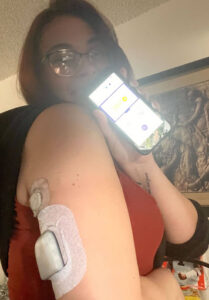 She described barriers that affected her education, work and access to the tools she needed to manage her diabetes.
Her story inspired Glooko Cares, an initiative to support people and communities with significant diabetes needs. Employees and the company came together to raise more than $15,000 toward an insulin pump and ongoing diabetes supplies and expenses for Sophia. Her willingness to share her experience helped our team understand a specific need and respond with practical help.
At our November Glooko employee gathering, Susy Fansher of Kids with Courage shared another perspective on what support can mean for a family. Her daughter, Dylan, received one of the nonprofit’s Brave Boxes when she was diagnosed with type 1 diabetes at age six. Today, Dylan leads its ambassador program, helping other young people navigate life with diabetes.
“Our community is vastly underserved with Type 1 education and support, and so Kids with Courage steps in, and we’re working so hard to reach as many of these kids as possible,” Susy told our team.
Brave Boxes combine practical tools and educational resources with books, games and a stuffed bear to offer comfort and encouragement. Kids with Courage also provides caregiver classes, scholarships and opportunities for young people to connect. We look forward to supporting this work through Glooko Cares, including contributions toward Brave Boxes and opportunities for employees to get involved.
Learning from people who live with diabetes
 That perspective also has a place inside Glooko. Our Glucose Gladiators employee resource group brings together colleagues with personal connections to diabetes, including people with type 1 and type 2 diabetes, caregivers, former healthcare professionals and people who have experienced gestational diabetes.
Members help colleagues understand the realities of diabetes and share their experiences with our product team. Their perspectives remind us that the usefulness of a tool depends on how it fits into someone’s life. Making information easier to understand or a routine task simpler can make a meaningful difference for someone using it every day.
Listening also means recognizing that no one person speaks for everyone with diabetes. Needs can change with a new diagnosis, pregnancy, a hospital stay or a change in family circumstances. People should have a voice in defining the support that works for them.
Making care conversations more useful
Care teams bring another essential perspective. A glucose report can help start a conversation, while the person’s experience helps explain what is happening. Questions about access to supplies, a demanding work schedule or feeling overwhelmed all deserve room in that discussion.
During our employee gathering, Dr. Amy Valent of Oregon Health & Science University described the learning curve that can come with a diabetes diagnosis during pregnancy. Alongside new glucose targets and care routines, people may be managing anxiety about their own health and their baby.
“We fixate on the numbers so much, but really, we care about so much more,” she said.
Dr. Valent emphasized the importance of understanding nutrition, mental health and the circumstances that shape what someone can manage in daily life. That context helps care teams work with the individual in front of them.
For Glooko, this is where technology can support the relationship between people with diabetes and their care teams. Our GlookoCare solution helps outpatient teams review compatible device data, while the GlookoConnect App helps people organize and share information with their care teams. The purpose is to make that information more useful in care.
Supporting the transition from hospital to home
During a hospital stay, support needs to reflect the individual’s changing care needs. Glooko EndoTool supports the distinct work of inpatient glycemic management. As someone prepares to return home, clear communication and access to follow-up care become essential parts of the conversation.
Rona Schechter, system director of the diabetes service line at Sharp HealthCare, spoke at the Glooko employee gathering about gaps that can arise after discharge. Even when care teams provide clear instructions, people may return home without the resources or timely appointments they need to carry out their care plan.
“No patient navigates every step alone,” she said, describing the goal for care across settings.
Her perspective reminds us to consider what happens after someone leaves the hospital or closes an app. Support has to extend into the daily routines where people manage their health.
Connecting with the wider community
Community organizations help bring these experiences into a shared conversation. Glooko’s Rich Glenn recently described his role as chair of the American Diabetes Association’s 2026 Boston State of Diabetes event as an opportunity for clinicians, community members and other partners to learn from one another.
As Rich wrote in his reflection on the initiative, “People living with diabetes deserve access to care that is reliable, informed, and compassionate.”
These perspectives connect our mission to the work we do every day: simplifying diabetes management, strengthening connections across the care team and improving the lives of people with diabetes. They inform the technology we build and the ways we participate in the community.
This Diabetes Month, we are grateful to the people who share their experiences and to the care teams and organizations working alongside them. Listening to what they need helps us understand how we can contribute throughout the year.