This blog post features contributions from Glooko’s clinical team., including Amanda Edwards, BSN, RN, Amanda Heger, MSN, RN, AMB-BC, Christine Emery, BSN, RN, CCRN, Paul Chidister, MD, FACP, and Marc Clements, MD, PhD
As clinicians and health system leaders, you understand the critical nexus of diabetes and cardiovascular risk — a dual-threat that often dictates patient morbidity and mortality.
Both the American Heart Association (AHA) and the American Diabetes Association (ADA) identify diabetes as a powerful, controllable risk factor, noting that adults with diabetes are two to four times more likely to die from or develop these conditions ¹. Uncontrolled blood sugar is a major risk factor, making this link impossible to ignore, especially when cardiovascular disease causes roughly 65% to 75% of all-cause mortality in people with type 2 diabetes ².
Our digital health solutions, the EndoTool Glucose Management System, developed by Monarch Medical Technologies, a Glooko Company, and the Glooko diabetes management platform, are designed to support this complex relationship, providing a clear and efficient pathway to monitoring diabetes data and potentially protecting your patients’ hearts.

EndoTool: Ensuring Inpatient Glycemic Stability and Supporting Cardiovascular Health
 For critically ill patients recovering from acute cardiac events (myocardial infarction, heart failure, and post-surgery), safe, precise, and stable inpatient glucose management is crucial for minimizing complications, accelerating recovery, and ensuring discharge readiness. The dynamic ICU and cardiac step-down environments require a highly precise, algorithmic solution aligned with critical care protocols, such as those from the Institute of Critical Care Medicine (ICCM)⁶.
When patients recovering from acute cardiac events present with co-morbidities like acute kidney injury (AKI), standard insulin protocols prove insufficient to safely support altered renal function as this drastically impacts insulin clearance. EndoTool is engineered to navigate this metabolic complexity through the use of 11 patient-specific proprietary factors. These factors allow the system to create a truly individualized insulin management profile that accounts for:
- Renal Function: Adjusting for altered insulin clearance in AKI.
- Insulin Sensitivity and Resistance: Recognizing the significant variability in patient response.
- Glycemic Trajectory: Assessing the rate and direction of glucose change to proactively prevent excursions.
The Science of Control: EREI & Tight Algorithms for Unmatched Safety
EndoTool’s Estimated Residual Extracellular Insulin (EREI) Calculation is a cornerstone of its safety and effectiveness. EREI accurately quantifies “insulin on board,” preventing dose compounding, a common cause of hypoglycemia in traditional protocols. This sophisticated estimation ensures precise, effective, and critically safe patient-specific dosing.
Preventing Hypoglycemia Before It Starts
Hypoglycemia is not just a complication; it is an independent risk factor for adverse cardiovascular events, including arrhythmias and increased mortality³,⁵. EndoTool’s design could help actively mitigate this risk factor:
- Engineered to Reduce Dual-Risk: EndoTool’s tight control algorithms are specifically engineered to help minimize both severe hyper- and hypoglycemia.
- Proof of Safety: Its algorithms achieved aggressive glucose targets with an unmatched safety profile: severe hypoglycemia (BG < 40 mg/dL) occurred in only 0.13% of all blood glucose readings in an ICU study ⁴.
- Proactive Carbohydrate Recommendations: When a rapid glucose decline signals impending hypoglycemia, the system not only holds the next insulin dose but also actively recommends supplemental carbohydrate intake. This proactive intervention stabilizes glucose before it reaches a dangerous threshold.
Case Study Snapshot: Atrium Health Wake Forest Baptist
Effective, stable inpatient glucose control is crucial for successful patient recovery and transition to outpatient care, supporting long-term glycemic targets and preventing readmission.
A large-scale retrospective analysis involving Atrium Health provided powerful evidence of EndoTool’s impact on reducing severe hypoglycemia with only 15 episodes in a year ⁸. Atrium Health conducted smaller-scale studies that demonstrated decreased length of stay, cost savings, and reduced time to control.
The Outpatient Edge: Continuous Diabetes Data in Glooko Useful for Heart Protection
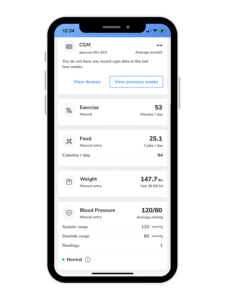 While EndoTool focuses on acute inpatient stabilization, Glooko provides the essential, continuous digital health platform required for effective long-term diabetes management.
Glooko’s strength lies in its agnostic device compatibility with more than 200 diabetes and health monitoring devices and apps creating a unified view of the patient’s health far beyond just glucose readings. This holistic data aggregation allows monitoring diabetes data for cardiac risk factors such as:
- Agnostic Integration of Biometric Data: Glooko seamlessly integrates readings from various connected health monitoring devices, including blood pressure (BP) monitors and smart scales. By tracking BP and weight trends over time, the platform provides clinicians with blood pressure and weight data — two primary, modifiable risk factors for cardiovascular disease. When this health data is integrated into the EHR and viewable alongside other patient data, clinicians can monitor these factors for cardiovascular disease.
- Nutrition and Lifestyle Management: The platform supports patient-entered nutrition logs and activity data. Clinicians can use this detailed lifestyle information to provide precise, personalized counseling on diet and exercise, directly supporting the lifestyle management required to reduce cardiac-related risks, such as hyperlipidemia and insulin resistance.
Risk Stratification: Using Glucose Data to Support Vascular Protection
Sustained poor glycemic control is the primary driver of both microvascular and macrovascular complications⁷. Glooko uses comprehensive, aggregated glycemic data to empower risk monitoring and population management:
- Identifying High-Risk Glycemic Patterns: The platform utilizes advanced pattern recognition algorithms to identify consistent trends in high glucose variability and poor Time in Range (TIR). These metrics are essential for assessing a patient’s overall risk for micro- and macrovascular complications.
- CGM Risk Stratification and Focused Care: For clinics managing large populations, Glooko’s data visualization allows for CGM risk stratification. By quickly identifying patient cohorts with persistently low TIR or high glycemic variability (GV), healthcare providers can efficiently focus their clinical resources and outreach efforts on the specific populations who are at the highest immediate risk of adverse cardiovascular outcomes.
Final Word: A Unified Approach to Preventing Complications

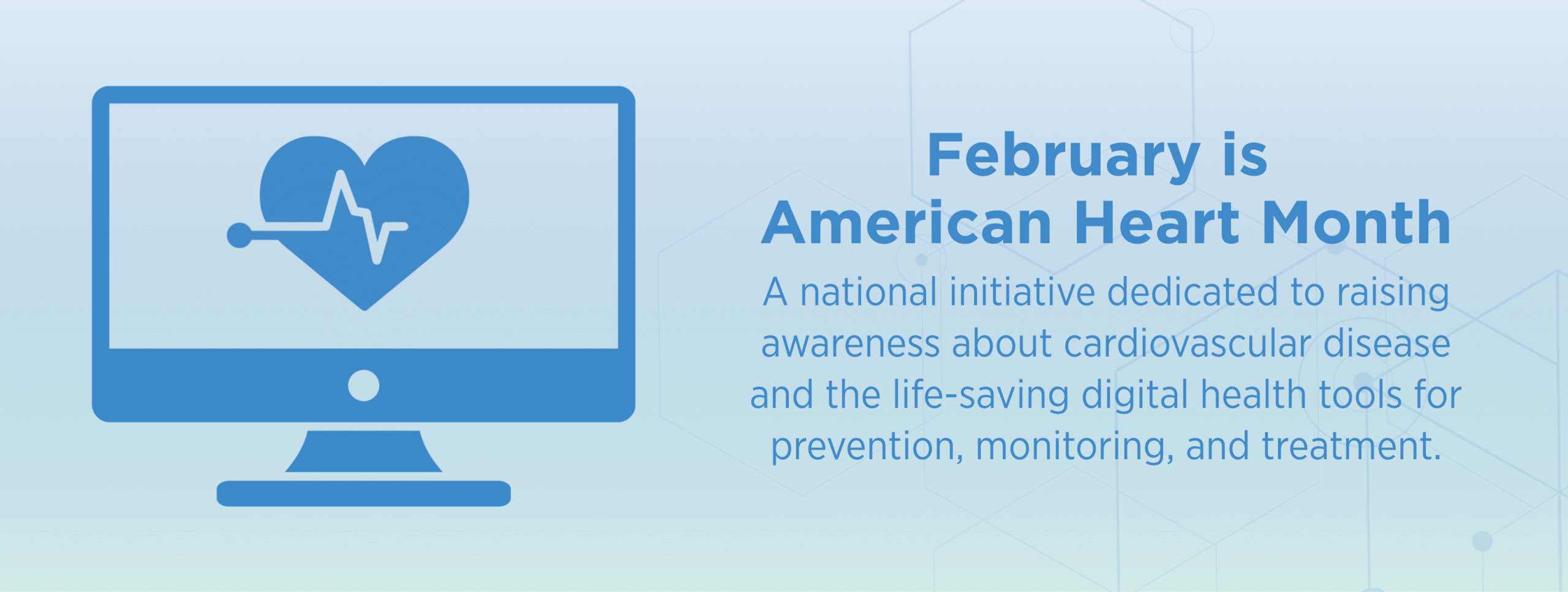
In observance of February’s American Heart Month, the capabilities of EndoTool and Glooko support effective glucose management, which is recognized as an important element of diabetes care and overall cardiovascular health.
EndoTool’s core strength is its 11-factor algorithm and EREI calculation for safe, precise, and effective inpatient glycemic control, which is vital for accelerating care transitions and improving long-term health. Glooko’s comprehensive digital outpatient tools, including pattern recognition in the Glooko Patient Summary and lifestyle data integration, provide actionable data for clinicians, empowering patients to maintain glycemic targets, and potentially prevent macrovascular and microvascular risk factors complications.
Together, these technologies support a continuous, data-driven approach to diabetes care, which can contribute to an important element of overall cardiovascular health and further the mission of heart health.
References
- American Diabetes Association. (2024). Standards of care in diabetes—2024. Diabetes Care, 47 (Supplement 1). https://diabetesjournals.org/care/issue/48/supplement_1
- American Heart Association. (n.d.). Diabetes significantly increases risk of heart attack, stroke. DeTar Healthcare System. Retrieved February 2, 2026, from https://www.detar.com/news-room/diabetes-significantly-increases-risk-of-heart-att-21990
- Buse, J. B., Ginsberg, H. N., Bakris, G. L., Clark, N. G., Costa, F., Eckel, R., Fonseca, V., Gerstein, H. C., Green, L. A., Konstam, M. A., Lorenzi, F., Materson, J. R., Mitchell, M. E., Smith, S. C., Jr., Pasternak, R. C., Reusch, J. E., Sacco, R. S., Smith, E. H., Vitek, M. E., & Zheng, D. (2010). Cardiovascular disease and diabetes: An update. Circulation, 122(3), e320–e334. https://pmc.ncbi.nlm.nih.gov/articles/PMC3028955/
- Cochran, S., Miller, E., Dunn, K., Burgess, W., Miles, W., & Lobdell, K. (2006). EndoTool software for tight glucose control for critically ill patients. Critical Care Medicine, 34(12), A68.
- Grundy, S. M. (2019). Obesity, cardiovascular disease, and the American Heart Association. Journal of the American Heart Association, 8(12), e011295. https://www.ahajournals.org/doi/10.1161/JAHA.118.011295
- Institute of Critical Care Medicine. (n.d.). [Specific guideline title related to glycemic control in critical care]. Retrieved February 2, 2026, from https://www.youtube.com/watch?v=aNpMzL1FLmU
- Laakso, M., & Lehto, S. (2014). Contributors to mortality in high-risk diabetic patients. Diabetes Care, 37(10), 2798–2804. https://diabetesjournals.org/care/article/37/10/2798/30903/Contributors-to-Mortality-in-High-Risk-Diabetic
- Price, C., & Aloi, J. (2024). Achieving Optimal Glucose Control in Critical Care Units at Atrium Health [Poster presentation]. American Diabetes Association 84th Scientific Sessions.
EndoTool is developed and marketed by Monarch Medical Technologies, a Glooko Company. EndoTool is an FDA-cleared Class II medical device indicated for inpatient use as described in its Instructions for Use. Glooko’s diabetes management platform and EndoTool are currently independent solutions. Patient-specific refers to EndoTool’s ability to use available patient information within the hospital’s electronic medical record to provide individualized insulin dosing recommendations. Recommendations are intended to assist, not replace, clinical judgment. All treatment decisions remain the responsibility of the licensed healthcare provider.
 Last month, I had the opportunity to attend the IHI Forum, an annual conference that brings together passionate healthcare professionals interested in advancing quality improvement, patient safety, and closing care gaps together. I was inspired by the many ideas shared during keynotes, sessions, and workshops tied to the theme of transforming healthcare by increasing safety, reducing complication severity, and improving sustainability.
My biggest takeaway: the conversation around ROI in healthcare is shifting toward acknowledging that the strongest ROI comes from prioritizing safety and outcomes. When care is safer and complications are reduced, cost savings naturally follow.
The many insights made me think about how digital health technologies, like the Glooko diabetes management platform and EndoTool Glucose Management System, developed by Monarch Medical Technologies, a Glooko Company, can create real, measurable value for hospitals and health systems.
Implementing Digital Solutions to Reduce Costs and Clinical Overhead
To achieve meaningful financial impact, healthcare organizations can map value streams directly to clinical outcomes, an effort that has become very common across the healthcare industry. By improving patient outcomes and reducing the incidence and severity of glycemic events through timely intervention, healthcare providers can shift their focus toward cost avoidance.
This cost-cutting effort is primarily achieved by reducing the frequency of high-cost events like diabetic ketoacidosis (DKA) or severe hypoglycemia, both proven to be reduced through use of the EndoTool inpatient platform, and mitigating the severity of complications. These improvements not only protect patient health, but also significantly lower the financial burden associated with emergency hospitalizations.
From an operational perspective, broader adoption of digital health solutions that integrate seamlessly into EHR systems, like Glooko and EndoTool, drive revenue by minimizing administrative burden and eliminating the physical costs of traditional paper-based documentation. This transition supports a smaller carbon footprint while streamlining Diagnostic Related Group (DRG) cost structures. By automating data entry and refining monitoring systems, hospitals can reduce manual labor hours, alleviate the hidden costs of alarm fatigue, and successfully decrease the average Length of Stay (LOS) for patients.
Advancing Innovation for Better Health Outcomes
 In the landscape of modern healthcare rankings, the severity of patient complications has become a defining metric, often accounting for a significant portion of the evaluation of hospitals in reports like U.S. News & World Report’s annual Best Hospital rankings.
To address this, healthcare providers must look beyond basic data collection and focus on innovative digital health tools that actively mitigate these risks. For example, hospital readmissions could be reduced when healthcare providers are issued remote monitoring alerts based on trends in a patient’s health. Doctors may also shorten hospital stays if they have the ability to remotely monitor vitals.
By integrating capabilities like remote monitoring in the Glooko diabetes management platform, clinics can demonstrate a measurable reduction in the severity of outcomes, providing a safer patient experience while potentially strengthening their standing in critical industry benchmarks, including the CMS Overall Hospital Quality Star Rating and Newsweek’s “America’s Best-In-State Hospitals.”
Real impact starts with a deep dive into existing workflows to find and fix hidden gaps in diabetes care. Care teams can map out the root causes of care gaps and pinpoint exactly where digital solutions can bridge them. For instance, Glooko’s acquisition of Monarch Medical Technologies will help bridge the gap between inpatient glycemic management and outpatient diabetes care in the future. This future state, advancing continuity of care, can create a more unified ecosystem that manages diabetes holistically and helps ensure no patients feel isolated in their journey.
Improving the Patient, Family, and Staff Experience
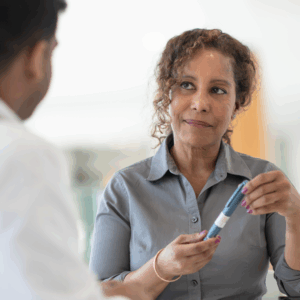 To define success beyond traditional clinical metrics, the focus of ROI must shift toward the holistic quality of life for patients in the hospital or at home and their families.
Our solutions aim to improve the patient experience by shortening hospital stays and fostering a more restorative healing environment. By proactively managing glycemic health and reducing the severity of acute events, we allow patients and their caregivers to focus on recovery and living their life day-to-day rather than the stress of a potential health crisis.
We truly believe clinicians should spend more time with patients and less time with paperwork. That’s why we’ve designed our glycemic and diabetes management solutions with the care teams in mind. By automating data flows and simplifying complex glycemic management, we remove the “manual logistics” and heavy cognitive load that lead to burnout and reduce patient safety.
This efficiency doesn’t just improve the bottom line but could help prevent expensive complications like DKA and severe glycemic events. It creates a sustainable work environment where care teams feel empowered to provide high-value, compassionate care without being tethered to a screen.
Furthering Sustainable Practices through EHR Integrations
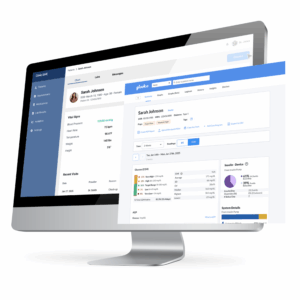 Sustainability and person-centered care are inseparable as it is critical we focus on the holistic well-being of the patient and their community.
Sustainability has transitioned from an elective corporate responsibility to a core operational mandate for healthcare executives. For leadership, prioritizing sustainable practices is not just about environmental stewardship. It is a strategic lever for improving patient outcomes, ensuring long-term financial viability and fulfilling the mission of “first, do no harm.”
By digitizing workflows and leveraging built-in EHR integrations, hospitals and clinics can move away from paper-heavy documentation, significantly reducing paper waste and recycling expenses. This transition doesn’t just lower operational costs as it also shrinks the carbon footprint of the practice, aligning financial savings with environmental sustainability.
Glooko and EndoTool help healthcare providers slash overheads by eliminating the physical and environmental burdens of traditional diabetes management through the solutions’ EHR integrations, future-proofing sustainability efforts.
Ready for a Glimpse into the Cost-Efficient Future of Diabetes Care?
Connect with a Glooko rep today to learn how our diabetes and glycemic management solutions can help reduce your costs, while improving health outcomes.
EndoTool is developed and marketed by Monarch Medical Technologies, a Glooko Company. EndoTool is an FDA-cleared Class II medical device indicated for inpatient use as described in its Instructions for Use. Glooko’s diabetes management platform and EndoTool are currently independent solutions.
 The role of certified diabetes care and education specialists (CDCESs) is vital in helping people with diabetes manage their condition, achieve optimal health outcomes, and thrive.
Glooko’s innovative web platform and mobile app is designed to make diabetes care and education more efficient, data-driven, and impactful for these critical care team members.
By providing cutting-edge capabilities, Glooko empowers CDCESs at hospitals, health systems, and clinics to support patients’ diabetes management, reduce the risk of complications, and improve health outcomes.
Advantages of CDCESs Leveraging Glooko
Glooko offers a range of features in its platform that streamlines clinical workflows, enhances the decision-making for CDCES professionals and the entire diabetes care team, and ultimately, supports better diabetes management and care:
- Expansive Device Compatibility: Glooko seamlessly integrates with over 200 diabetes and health monitoring devices and apps, centralizing relevant health data and making it easily accessible.
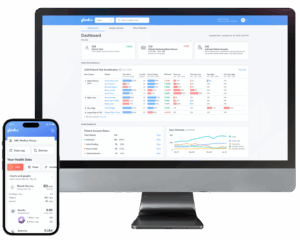
- Clinic Dashboard for Diabetes Population Health Management: Our new clinic dashboard, available in select countries, provides CDCESs with at-a-glance insights of a clinic’s diabetes patient population, leading to more efficient, data-driven decisions.
- Seamless EHR Integrations: Our integrations with leading electronic health records (EHRs), including Epic, Oracle Health, MEDITECH, Greenway Health, eClinicalWorks, NextGen, and Athenahealth, securely centralizes diabetes and related health data, giving CDCESs a complete view of a patient’s health in one place and eliminating the hassle of platform switching and multiple logins.
- Educational Digital Care Programs: Glooko’s care programs complement the work of the CDCES by providing patients with structured education that advances their understanding of diabetes management.
- Easier Log-in with SSO: Single Sign-On (SSO) eliminates the need for multiple logins and passwords, cutting credential hassle so CDCESs can focus more time on delivering high-quality patient care.
- Exceptional Customer Support: Backed by rapid response times, an extensive help center, and U.S.-based support, CDCESs can spend less time troubleshooting technical issues and more time focused on their patients.

Glooko Advances the ADCES7 Self-Care Behaviors®
Diabetes Self-Management Education and Support (DSMES) is a program from the Association of Diabetes Care and Education Specialists (ADCES) designed to empower individuals with diabetes to manage their condition effectively. It’s structured around the ADCES7 Self-Care Behaviors, which represent seven critical areas of diabetes self-management.
CDCES professionals partner with patients with diabetes to help prioritize and improve their own management skills across these seven essential behaviors. CDCESs can leverage the Glooko Mobile App, which supports patients in tracking and managing each of these behaviors, to complement their own education and guidance:
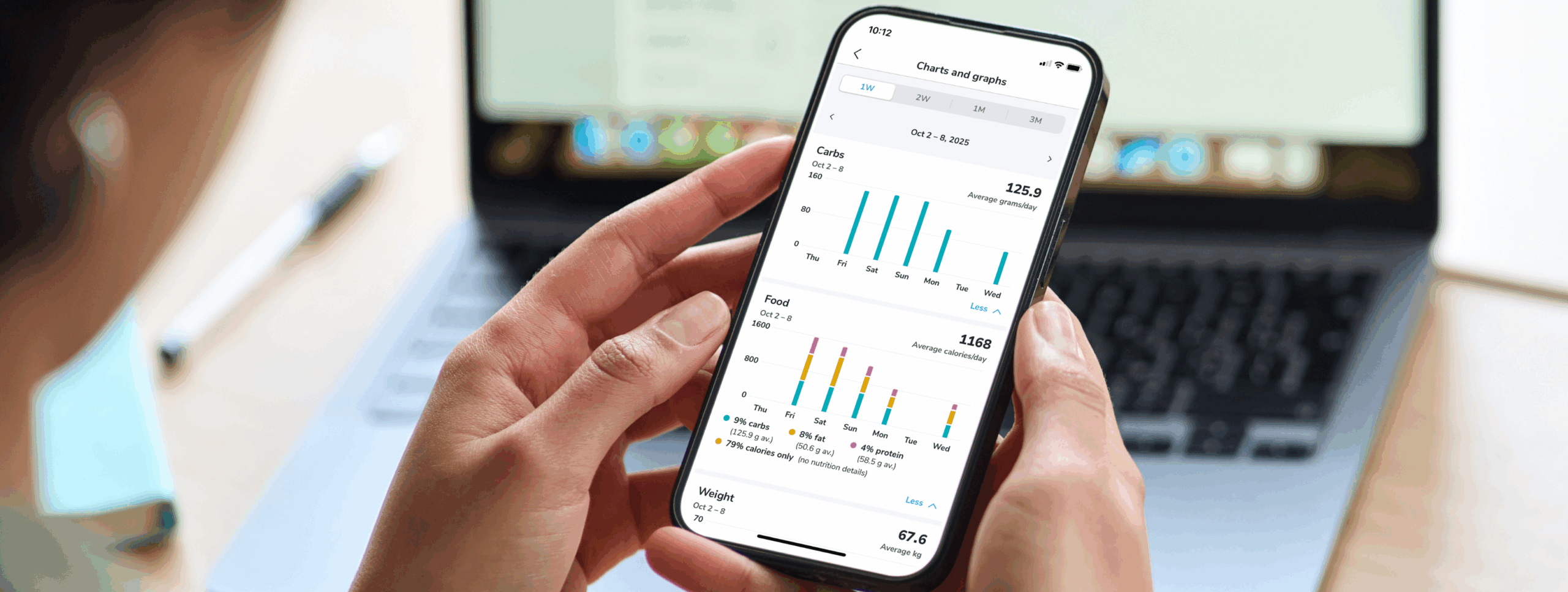
- Healthy Eating: People living with diabetes can enter food into the Glooko Mobile App to better understand how nutrition affects their condition and well-being.
- Being Active: The app allows tracking of steps, fitness, and other exercises, helping users understand the impact of physical activity on their overall health and glycemic control.
- Taking Medication: Patients can track medication, set reminders, and enter notes about the impact of medications, which can be shared with care teams.
- Reducing Risk: Through its manual entry feature and compatibility with smart scales and blood pressure cuffs, the Glooko Mobile App can be used to monitor trends in weight and blood pressure.
- Problem Solving: The app helps users identify patterns in everything from nutrition and weight to insulin and glucose levels and solve challenges independently or through remote collaboration with their car team.
- Healthy Coping: People with diabetes can record notes in the Glooko Mobile App about their feelings, beliefs, challenges, and successes while managing their diabetes.
Users of the Glooko Mobile App also can access our comprehensive support center for troubleshooting and helpful tips, allowing them to make the most of the app’s features.
Enhance the CDCES-Patient Experience with Glooko
At Glooko, we provide CDCES professionals with digital health tools for simpler diabetes management and better health outcomes for their patients.
Find out how Glooko’s diabetes management software can support your care team’s delivery of data-driven, high-quality care by scheduling a demo.
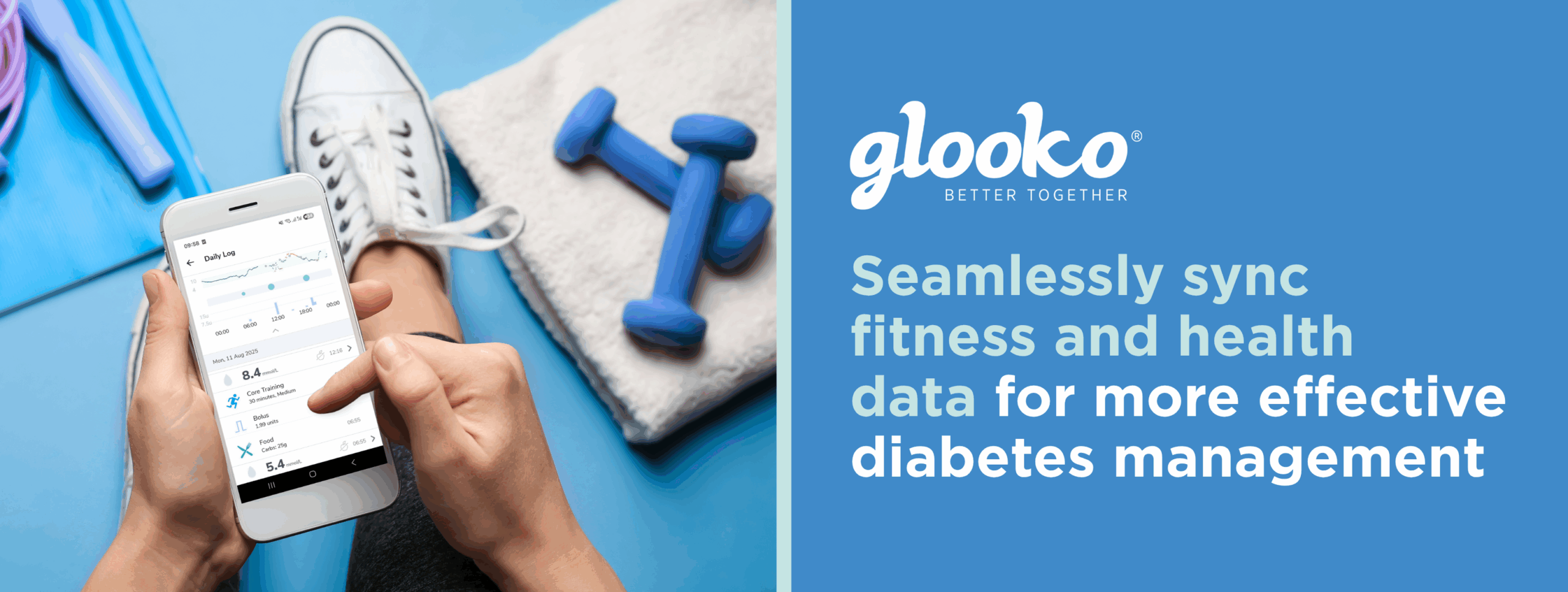
Whether training for a marathon or curious about blood sugar trends when out on a neighborhood walk, tracking and uploading fitness and health data is easy with the Glooko Mobile App for people living with diabetes.
Bringing together exercise, health, and diabetes data from compatible diabetes and health monitoring devices and apps with Glooko enhances diabetes management and allows people with diabetes and their healthcare provider to have greater insight about what adjustments might need to be made in care plans. Having the data available in one place makes it easier for care teams to make more informed decisions about treatment moving forward.
As an added benefit, next time people living with diabetes won’t have to guess when their care team asks how many minutes of exercise they did in a week.
Glooko’s Compatibility with Health Monitoring and Fitness Devices and Apps
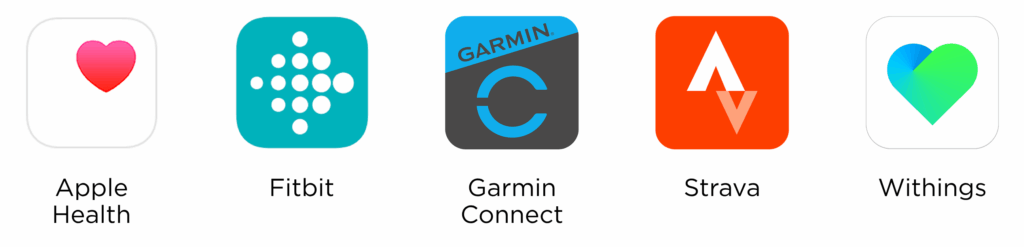
Our connected care platform is compatible with leading health monitoring and fitness devices and apps like Apple Health, activity trackers and smartwatches from Fitbit, Strava, Garmin, and blood pressure cuffs and scales from Withings. For select diabetes devices, Glooko can share glucose, CGM, and manually entered insulin data in Glooko with Apple Health. Glooko Mobile App users also have the ability to manually track physical activity by selecting a variety of sports and exercises built into the platform and note the duration, calories burned, and intensity (light, medium, and hard).
When coupling these apps and manual entry of exercise history with the glucose, insulin, and the nutrition tracking capabilities of Glooko, the physical activity data provides care teams the ability to craft more personalized treatment plans and to see how different activities affect levels.
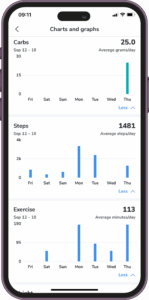
Once this helpful exercise data is imported into Glooko through a sync or manually,it can be found in a variety of our Glooko platforms, including Summary, Graphs, and History, depending on the data. This section provides key information such as step count, number of exercises, and duration of exercise alongside key data points healthcare providers use to make recommendations about insulin and other medication changes. The data displayed will automatically adjust to reflect the selected date range with visualizations changing based on the type of data.
Syncing Lifestyle Management Data with Glooko
Glooko also supports blood pressure and weight data from compatible blood pressure cuffs and scales from Withings. Bluetooth- and cloud-enabled devices automatically sync with Glooko while readings from non-Bluetooth devices must be manually entered in the Glooko Mobile App to be viewed alongside other health data.
Unlock Deeper Insights by Sharing Health Data with Care Teams
 To share data from compatible fitness and health monitoring devices and apps with care teams or use it as a reference, simply ensure the ProConnect Code used by the healthcare team is added. To do this, select “Care Teams” from the home screen, then “+ Care Team,” and enter the designated ProConnect Code using all lowercase letters.
From the Glooko Mobile App home screen, select “Sync Device” then “Add New Device,” which will prompt the user to select a category of devices to add. On this screen, select “Fitness and Health Devices” to search for compatible devices or apps to connect.
Once the data is synced, it will be shared with the user’s healthcare provider remotely and at the next appointment alongside blood sugar, insulin, and other diabetes data. The healthcare provider will have the advantage of seeing how exercise may be impacting glucose levels and will be better prepared for conversations about any insulin dosing adjustments that should be considered.
Time to Upload Exercise and Lifestyle Management Data to Glooko
Visit our Support Center for help with syncing fitness and health monitoring devices and apps with Glooko.
*Not all product features are available in all countries.
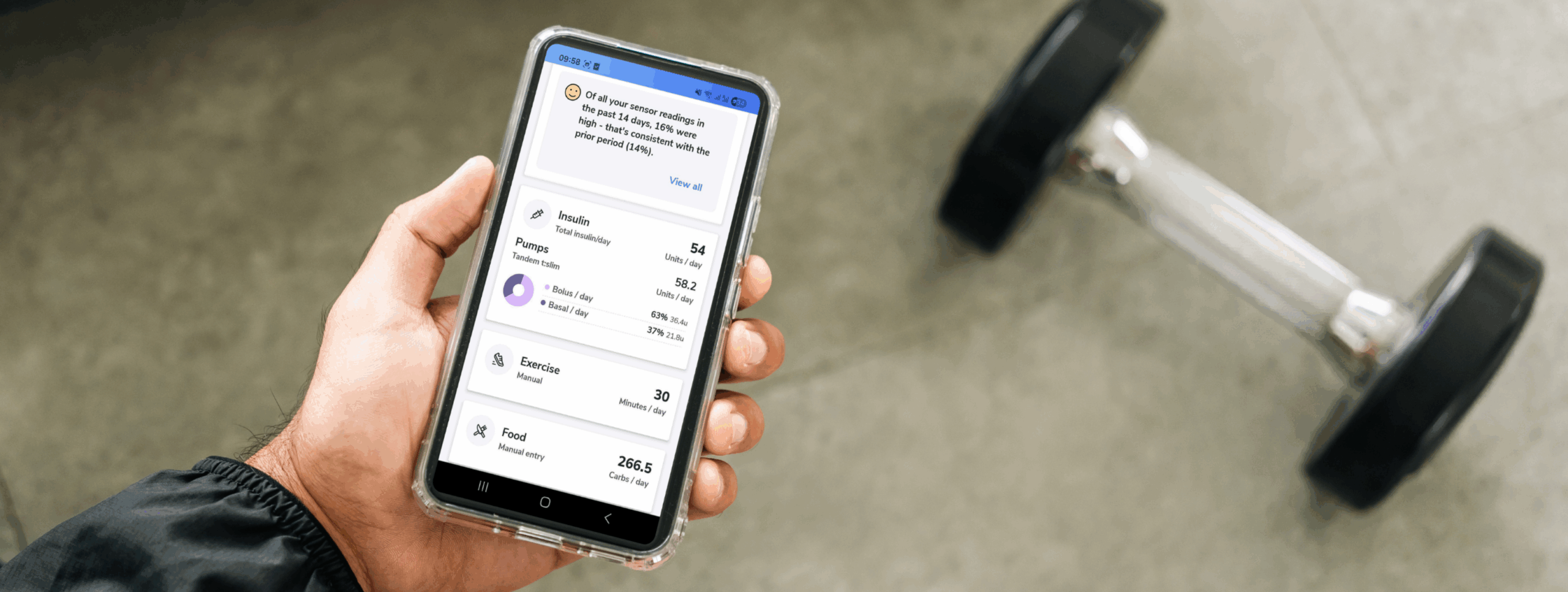
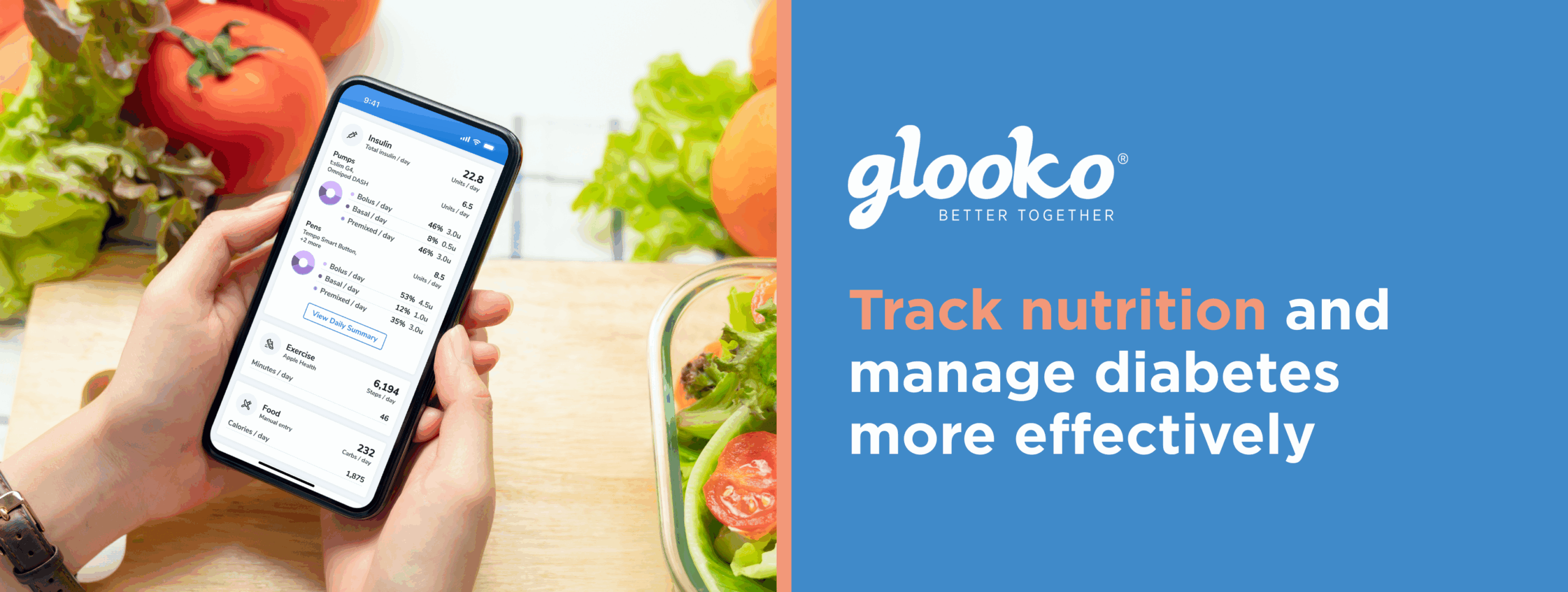
 Food and nutrition play a vital role in achieving a healthy lifestyle. This is particularly important in diabetes management, especially for people living with Type 2 diabetes.
In the Glooko Mobile App available on the App Store and Google Play Store, people living with diabetes can easily log what they eat at home or while on the go using our food tracking feature, a popular functionality that always receives praise from our users.
Through our integration with the world’s largest dietitian-verified grocery database of more than 1 million items from over 46,000 grocery brands, users of the Glooko Mobile App can accurately track their meals and snacks in a variety of ways and create a personal log to better understand how food and nutrition impacts their diabetes.
Glooko offers many options for logging food intake:
- Search the largest grocery database on the planet: Easily find and add generic or branded foods by typing the name into the app. Learn how to use this feature…
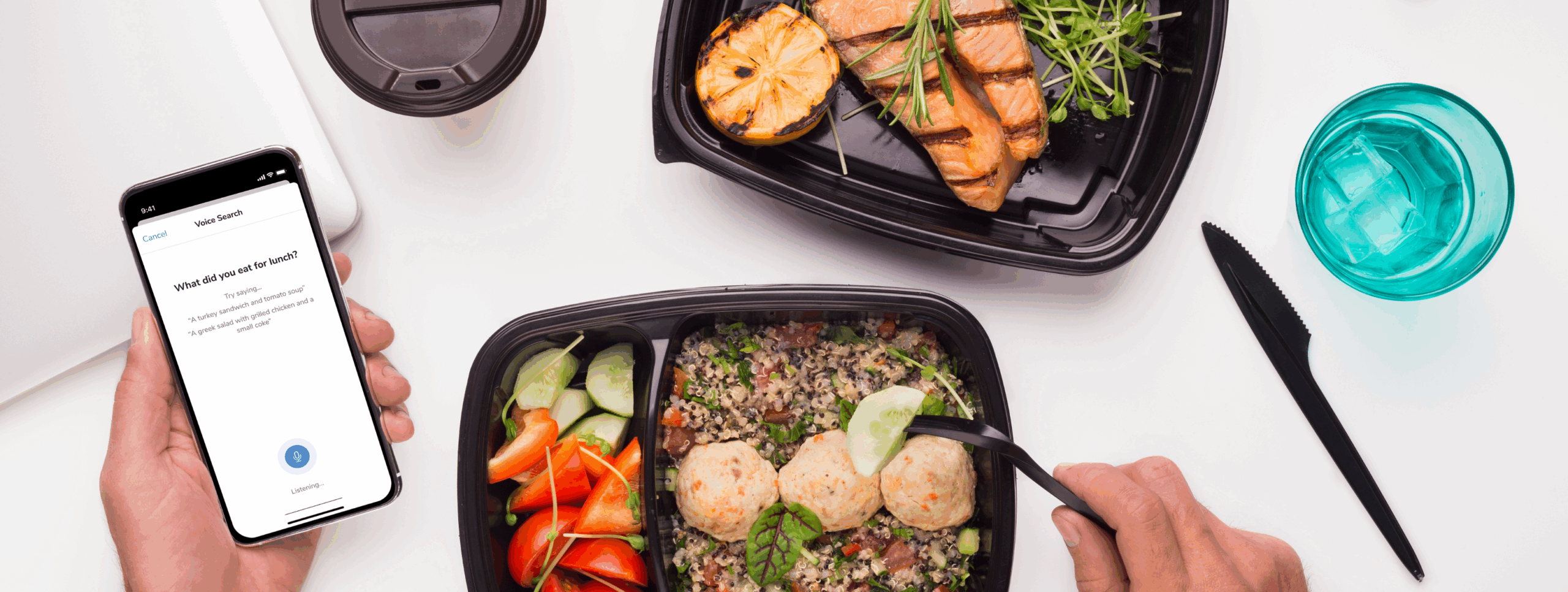
- Use the innovative voice capture capability: Simply speak the name of a food item to log it in Glooko. Find out how to use the voice capture feature…
- Scan barcodes: Use a smartphone camera to scan packaged food barcodes to instantly access nutritional information and effortlessly add to the app’s log. See how to use the barcode scanner functionality…
By viewing food and nutrition data, including carbohydrates, calories, fats, and proteins, alongside insights from their connected diabetes and health monitoring devices, medications, and insulin, users can uncover trends and make smarter food choices. Since people don’t need to log into multiple platforms to manage both their diabetes and nutrition data, we’ve recently seen an increase in food logging frequency and more tracking of localized food items around the world.
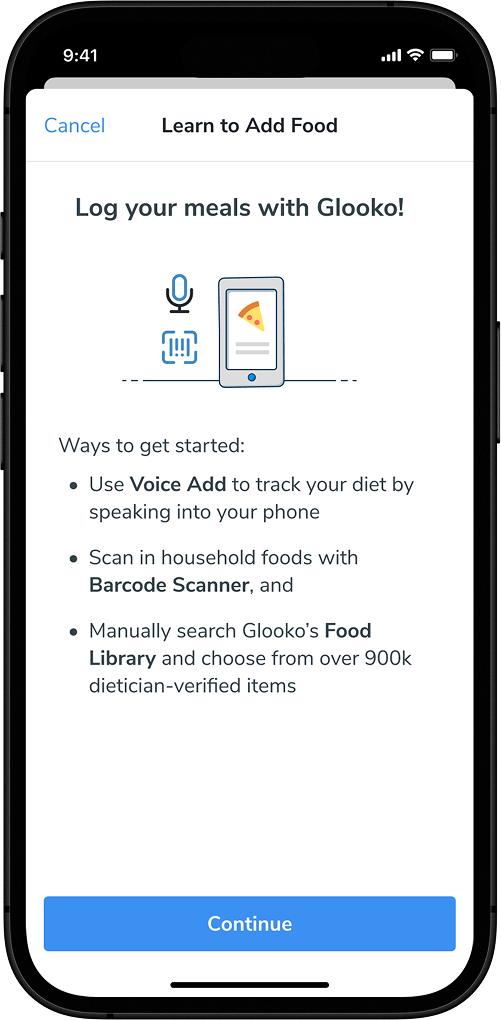 More ways to eat smart and track more effectively using the Glooko Mobile App
To better serve the diverse needs of users around the globe, Glooko has localized food items searchable in German, French, Spanish, Italian, UK English, and US English to support people living with diabetes in these regions.
Frequent users can also save time by creating custom food entries for their favorite meals — perfect for quick re-logging of their go-to foods.
Glooko Mobile App users can complement their food logging with quick notes using free text or the dropdown menu option to provide details like miscalculated carbs, overeating, dining out, or skipped meals. These notes help communicate important context to their healthcare team who can provide more information dietary or medication recommendations as needed.
Share nutrition data with healthcare providers
While we’ve really focused on the benefits of food tracking for people living with diabetes, healthcare providers and care teams also benefit from this feature. They can view this logged nutrition data alongside their patients’ other health data in Glooko to have a more comprehensive view of everything affecting their patients’ diabetes.
The evolution of our food tracker
Glooko plans on further innovating its app to provide advanced food analysis tools, including micronutrients, more photos, and easier logging, and personalized nutrition insights with real-time feedback on how specific food choices directly impact a person’s health. An advanced, data-driven approach will empower people living with diabetes to make even timely, smarter, and more informed decisions about their health.
Download the Glooko Mobile App today
Ready to take diabetes management to the next level? Download the Glooko Mobile App from the App Store or Google Play Store and start logging food, tracking health data, and uncovering insights that support better living with diabetes.* *Not all product features are available in all countries.
*Not all product features are available in all countries.