Glooko Insights
Stay up-to-date on our latest news and insights, enhancements to our connected care platforms, and Team Glooko happenings.
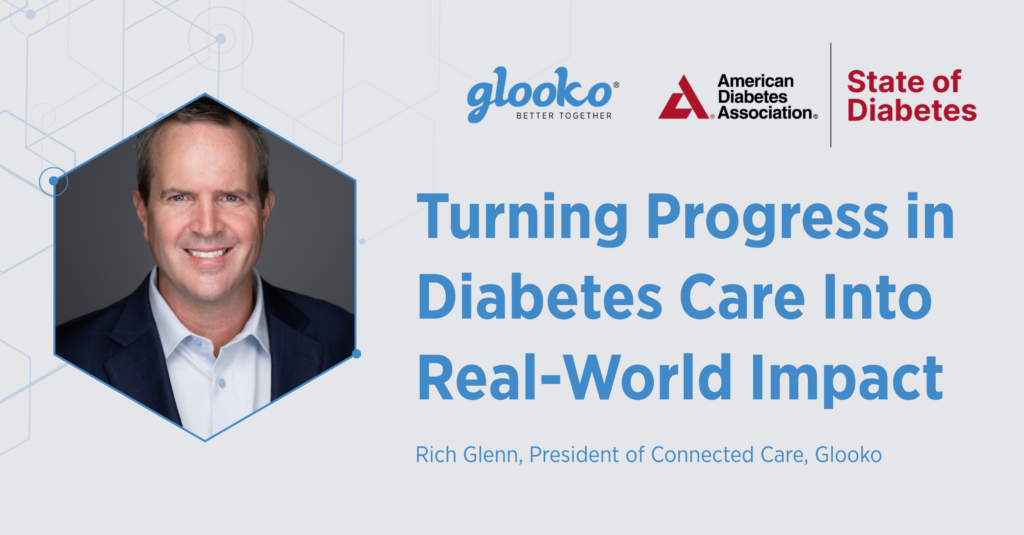
Turning Progress in Diabetes Care Into Real-World Impact
October 19, 2026There is no shortage of progress in diabetes care. We have better data, more treatment options, new technologies and a growing understanding of what it takes to manage diabetes across different stages of life and care settings. The harder question is how we turn that progress into better experiences and better outcomes for the people and communities who need it. That’s one of the reasons I’m looking forward to chairing this year’s State of Diabetes annual community event in Boston on Nov. 5, hosted by the American Diabetes Association. This year’s expert-led panel discussion gets to the heart of that challenge: From Diabetes & Obesity Guidelines to Outcomes: Translating Evidence Into Real-World Practice. It’s an important conversation because what works in a guideline, clinical study or new treatment still has to work in the real world. It has to fit into the daily lives of people managing diabetes and into the increasingly complex environments where care is delivered. It also has to work for the people providing that care. Mark Clements, MD PhD, Glooko’s Chief Medical & Strategy Officer, will join this year’s expert-led panel. Care teams are navigating growing demands, workforce and cost pressures and an expanding amount of information. At the same time, people living with diabetes are being asked to make decisions every day, often outside the clinical setting. Connecting those two realities is an important part of moving diabetes care forward. That’s why I find such great value in community opportunities like the State of Diabetes event. Bringing healthcare leaders, employers and community members into the same conversation creates space to look beyond any one part of the system. We can talk about what the latest evidence means in practice, where gaps still exist, and what communities need to make meaningful progress. I’m especially looking forward to hearing different perspectives and seeing where those perspectives intersect. There is a lot happening in diabetes right now, but progress is ultimately measured by whether it makes a difference in people’s everyday lives. I hope you’ll join us in Boston for the conversation!
Learn more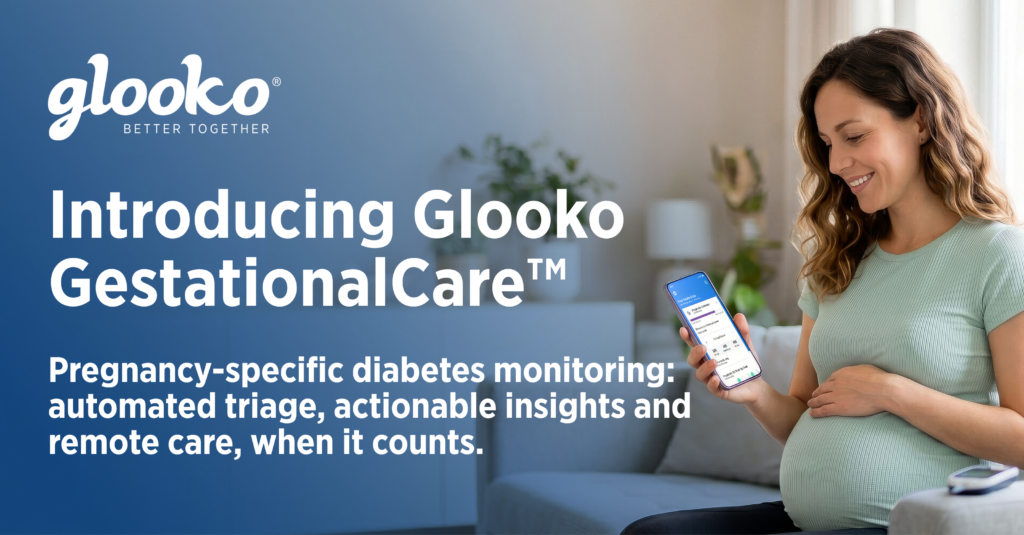
Introducing Glooko GestationalCare: A Shared Diabetes-in-Pregnancy Workflow
October 15, 2026Diabetes in pregnancy is one clinical pathway, but it is not one clinician’s job. With Glooko GestationalCare, we connect distinct specialists around shared information, clear responsibilities and timely escalation. Today, we’re excited to announce U.S. availability of Glooko GestationalCare, our new pregnancy-specific diabetes management module within the ambulatory GlookoCare platform. We designed GestationalCare around a simple observation: diabetes in pregnancy may be one clinical problem, but it is rarely one clinician’s job. The workflows also look distinctly different in pregnancy care than they do for non-pregnant individuals. An individual diagnosed with gestational diabetes may begin with her OB/GYN, receive nutrition counseling from a registered dietitian, learn glucose monitoring from a diabetes educator and later be referred to maternal-fetal medicine if advanced treatment or monitoring becomes necessary. An individual entering pregnancy with Type 1 or Type 2 diabetes may be co-managed from the beginning by obstetrics, maternal-fetal medicine and endocrinology, with nurses and diabetes educators providing frequent support between appointments. The roles change based on the individual, the type and complexity of diabetes, and the particular resources of the healthcare organization. The need for timely, shared information does not. That reality shaped how we approached GestationalCare. We built a pregnancy-specific module within GlookoCare—the outpatient diabetes platform care teams may already use to review device data, manage populations and engage patients between visits. GestationalCare configures that platform around the compressed timelines and specialized clinical needs of pregnancy. And importantly, it was designed for the team around the pregnancy, not just one specialty. The problem is not a shortage of clinical expertise within the care team. It is that the information, ownership and next action can become separated as the patient moves from one specialist to another. The pathway changes with the clinical situation A shared workflow should begin by recognizing that diabetes in pregnancy is not one uniform experience. A pregnant individual newly diagnosed with gestational diabetes may first need nutrition counseling, meter education, and a clear plan for fasting and post-meal testing. Another individual may enter pregnancy with Type 1 diabetes, an insulin pump, and CGM data that require frequent review. A third may have Type 2 diabetes and need coordinated attention to treatment, fetal surveillance, and delivery planning. The clinical pathway must flex without becoming a collection of disconnected processes. It should allow the OB/GYN to remain the coordinator of prenatal care, give maternal-fetal medicine and endocrinology the context needed for higher-risk or more complex cases, and support the dietitians, diabetes educators and nurses who often carry the high-frequency work between appointments. The mistake is to force every patient and every role into the same generic workflow. The better approach is to create one shared digitally supported care model with different entry points, responsibilities and views. That is where Glooko GestationalCare comes in. Organize work around clinical priority, not the order in which data arrives Many traditional workflows are organized around submission of fragmented data and documentation methods. The team then reviews records in the order they were received, even when the patients with the most urgent needs are not the first in the queue. A pregnancy-specific population view can help the team begin with a different question: who may need attention now? Configured signals such as fasting highs, post-meal highs, missing data or a patient-requested call can help organize the review process. They do not replace clinical judgment or make treatment decisions. They help clinicians apply that judgment to the patients and patterns most likely to require it. This creates a more useful division of labor. Diabetes educators and nurses can focus on adherence, education and incoming questions. Dietitians can review meal context and nutrition-related patterns. OB/GYN, maternal-fetal medicine and endocrinology teams can assess the patients whose information suggests that the current care plan or level of specialty involvement may need to change. Postpartum is part of the pathway Delivery is a major clinical transition, but it should not become the point where the diabetes record and care team connection disappear. The workflow should define how pregnancy history is preserved, how the patient moves into a postpartum state, which types of care are needed in the postpartum period, and which team owns the next handoff. For a person with pre-existing Type 1 or Type 2 diabetes, that may mean a rapid transition in insulin needs and renewed coordination with endocrinology. For a person with gestational diabetes, it means supporting appropriate long-term follow up rather than treating delivery as the end of the story. Designing postpartum continuity from the beginning makes the pathway more coherent for clinicians and more understandable for patients. Glooko GestationalCare: A platform to support your operating model GestationalCare is designed to help maternal-fetal medicine, OB/GYN, endocrinology, diabetes education, nursing and nutrition teams work from a clearer pregnancy workflow while preserving their distinct responsibilities. The module brings together a pregnancy population view, fasting and post-meal review, adherence signals, configured pregnancy alerts, secure patient engagement and postpartum transition. Supported mobile workflows can include device syncing, logging, meal tagging, goal tracking and education. The larger value is not simply another way to collect glucose values, rather, it is a more structured way to connect the people, information and decisions that make up diabetes-in-pregnancy care on one unified platform designed for the unique needs of care teams and patients. Request a demo
Learn more
How Glooko has grown to support diabetes care from hospital to home
October 14, 2026I joined Glooko two years ago because I saw incredible potential in what this team was building. We had deep expertise in diabetes and technology that was making complex data more actionable and meaningful to clinicians and people living with the condition. I believed we could build on that foundation to address a much broader set of needs in healthcare and become a partner that health systems could turn to across the glycemic care journey. That belief is grounded in something I talk about often, which is “innovation that matters.” While it may seem simple on its face, it means something. In healthcare, that term carries a significant duty to the people we serve. We have to understand clinicians and people with diabetes to do the hard work of turning what technology makes possible into something they can depend on. Its value shows up in more informed clinical decision making, decreased burden in daily diabetes management and data fatigue, or a health system’s ability to extend care to more people. That is the standard we are building toward. Over the past two years, our team has transformed both our company and our technology in pursuit of that purpose. We have expanded our expertise and our reach, bringing Glooko into more of the settings where diabetes and glycemic care happen. Our refreshed brand reflects the potential our team saw when I joined in September 2024 and the progress this team has made together. We are now focused on diabetes and glycemic management across the entire continuum of care, from hospital to home. Building on our ambulatory care foundation: Introducing GlookoCare For more than a decade, Glooko has made diabetes data more useful to clinicians and people living with diabetes. That work matters because a glucose reading becomes so much more valuable when someone can understand it in context and use it to make informed care decisions. Over these two years, we have continued expanding that foundation. Our Glooko ambulatory diabetes management platform, now GlookoCare™, brings together device-neutral data review, population insights and clinical workflows, with vast EHR integrations. The GlookoConnect™ App supports that ambulatory experience by helping people organize their diabetes data and share it with their care teams during and between visits. Glooko GestationalCare™, a module of GlookoCare, shows how we are building on the platform for more specialized needs and clinical workflows. Pregnancy brings a different pace of care and different glucose-review priorities. Purpose-built workflows help teams approach diabetes in pregnancy with information organized around the decisions they need to make. Extending our expertise into the hospital: Glooko EndoTool The addition of the EndoTool® glucose management platform last year expanded both our capabilities and our clinical expertise. It brought established, patient-specific inpatient insulin dosing support into the Glooko connected care portfolio, along with a seasoned team who understands the demands of glycemic management at the bedside. Hospital care calls for patient-specific dosing support as clinical needs change, consistent workflows and visibility into glycemic management across an organization. EndoTool supports licensed clinicians in that work, with treatment decisions remaining in their hands. Together with our ambulatory expertise, this gives Glooko a distinctive role: one enterprise partner with specialized solutions for inpatient glycemic management, outpatient diabetes care and self-management. Health systems can work with us on a broader strategy while choosing the capabilities that fit each care setting. Innovation that fits the work of care That broader role comes with a responsibility to keep improving the clinical experience. A nurse needs clear information in a demanding inpatient clinical workflow. An ambulatory team needs to understand who requires attention. A person living with diabetes needs tools that fit into daily life. A health system needs technology it can implement, govern and extend across its organization. Our innovation cadence is taking shape around those needs. Alongside GlookoCare’s specialized workflows and continued improvements in device connectivity and the app experience, we are advancing cloud-based inpatient care. Glooko EndoTool™ IV Cloud has received FDA 510(k) clearance, marking another step in modernizing how we support hospital teams. Each development adds to a portfolio grounded in deep diabetes and glycemic expertise. Our hospital-to-home strategy brings that expertise together under one company, with distinct products designed for the realities of their respective settings. Who Glooko is today We chose to evolve Glooko’s brand identity to reflect how our capabilities have expanded the role we play in healthcare. Our expertise now spans more of the care continuum, and our identity needed to bring those capabilities together around a clear purpose. We want health systems to see a partner that understands their needs across settings and can help them shape what comes next. We purposefully chose to keep “Better Together” as part of our core Glooko identity because it still rings true, and always will. Our team, customers and partners have shaped the company we are today. Their shared expertise and commitment to better care will be just as essential to building a connected future where glycemic care is seamlessly managed, regardless of the care setting. Our ambition is a future in which hospital care, ambulatory care and everyday diabetes management are part of one connected ecosystem. We see the opportunity for rich data and clinical context following people across settings, helping care teams build on each other’s work and helping people feel supported through each transition. The portfolio we have built gives us a foundation to pursue that future. Realizing it will require continued innovation and close collaboration with clinicians, health systems and our partners. Earning the role of partner of choice For me, being a partner of choice means understanding the clinical problem and staying accountable through implementation and everyday use. It also means supporting a diverse device ecosystem, bringing relevant data closer to clinical workflows and helping customers plan for what comes next. I am humbled by and thankful for our Glooko team and to the clinicians, customers, partners and people living with diabetes who continue to shape our work. As we enter this next chapter, our priority is to put the full depth of Glooko’s expertise to work for them, wherever care happens. Explore Glooko’s approach to diabetes and glycemic management from hospital to home.
Learn more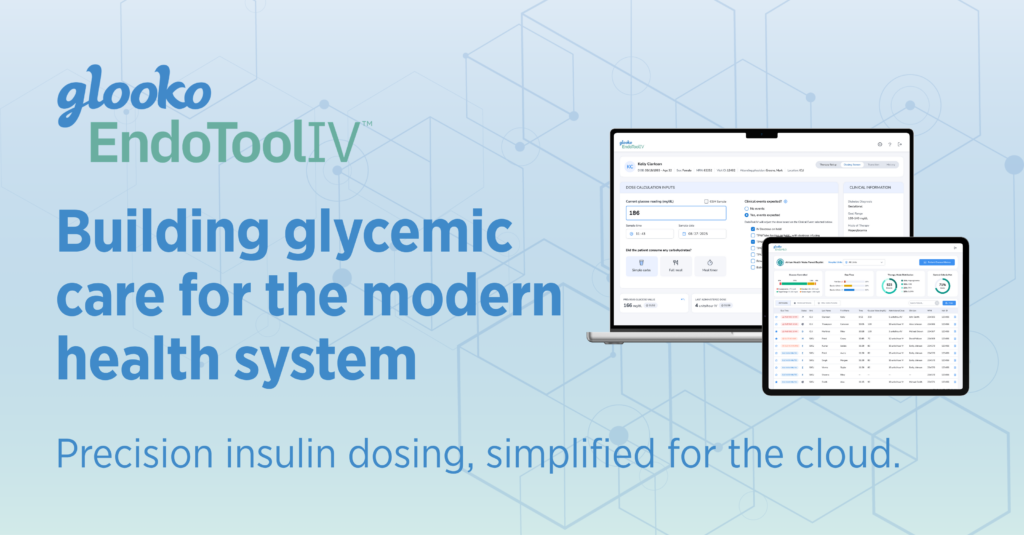
Building Glycemic Care for the Modern Health System
September 16, 2026What the new Glooko EndoTool IV Cloud shows about our approach to healthcare technology – and why customer partnership matters as health systems prepare for the next generation of inpatient glycemic management. Conversations about cloud migration tend to focus on reduced costs, predictable spending, reliability, and scalability. Those are all important, but an essential question in healthcare should be: What does that modernization make possible? How does it help care teams, patients, and the health systems supporting them? At Glooko, our mission is to transform diabetes care by simplifying it and strengthening connections. Technology only advances that mission when it solves real problems, helping clinicians be more effective, reducing complexity for health system teams, and making trusted clinical capabilities easier to extend across an organization. That is particularly important with inpatient glycemic management. Hospitalized patients can experience rapidly changing glucose management needs and clinicians must manage the risks of both hypoglycemia and hyperglycemia within already demanding workflows. At the same time, these outcomes need to be more visible at a system level to enable reporting as part of CMS Hospital Harm electronic clinical quality measures. Meeting that moment requires bringing together clinical intelligence, actionable analytics, intuitive workflows, and technology infrastructure providing workflows that support the way health systems actually operate. Modernize the experience, keep the algorithm That philosophy is central to Glooko EndoTool IV Cloud, the next generation, cloud-based iteration of our EndoTool IV inpatient insulin dosing solution. EndoTool has an established clinical foundation: a patient-specific algorithm designed to provide insulin dosing recommendations based on each patient’s glucose response and relevant clinical factors. Glooko EndoTool IV Cloud brings that clinical intelligence into a modern SaaS experience designed around both clinical and technical teams. For clinicians, that means a cleaner interface, fewer screens and clicks, and a streamlined path to the dosing recommendation and key patient information they need. For IT teams, cloud delivery removes the need for on-prem servers and all the provisioning, networking, and security management that goes with it, freeing them up for more value creating work. A technically modern product that adds friction at the bedside has missed the point. A clinically valuable solution that is hard to deploy, maintain, or scale ultimately limits how broadly that value can reach. In short, cloud matters when it balances both needs. Scaling clinical value is the real opportunity For health systems, modernization is rarely about one application or one server. Leaders are being asked to improve quality and safety while managing workforce constraints, increasingly complex technology environments, and growing demands on IT. The opportunity is to make established clinical capabilities easier to operationalize across that environment. For a health system evaluating EndoTool for the first time, Glooko EndoTool IV Cloud brings patient-specific insulin dosing together with a modern clinical experience and a deployment model built for today’s enterprise. For hospitals that already use EndoTool, the opportunity is different but equally important: modernizing how the technology is delivered while retaining the underlying EndoTool clinical algorithm and core clinical decision-support approach their teams already know. Sometimes the most meaningful innovation is making a trusted capability easier to use, support, or scale. “Innovation that matters” is how we frame this at Glooko. Technology should enable the mission As healthcare technology continues to evolve, we should resist defining progress simply by technical changes. The standard should be higher. Does the technology make clinical workflows simpler? Does it help organizations deploy and manage trusted tools more effectively? Can it support more consistent approaches across increasingly complex health systems? And ultimately, does it help care teams focus more of their attention on the people they are caring for? That is how we think about a cloud-first approach at Glooko. Our goal is not to move diabetes and glycemic management to the cloud for its own sake. It is to help customers scale trusted clinical solutions, simplify how those solutions are deployed and supported, and strengthen connections across the care journey. We’re in a moment in which glycemic safety, clinical usability, customer partnership, and responsible scale all matter more than ever. Glooko EndoTool IV Cloud is one important way we’re helping health systems meet that moment. Learn more about Glooko EndoTool IV Cloud
Learn more
Connecting the Continuum: Why Inpatient and Outpatient Glycemic Management Matters for Health System Leaders
September 8, 2026The Glooko team is heading to Chicago for Becker’s 11th Annual IT + Revenue Cycle Conference from September 14 to 17. This conference brings together CIOs, CFOs, CMIOs, and digital health leaders who are shaping the future of health system strategy, EHR optimization, interoperability, and revenue cycle performance. At booth 5113, we’ll showcase how Glooko helps health systems simplify diabetes and glycemic management across the care continuum, from hospital to home. Stop by to explore our offerings for inpatient glycemic safety, outpatient diabetes management, and diabetes self-management, all supported by one trusted technology partner. We’ll share how an enterprise partnership approach can help health systems reduce manual documentation, support CMS glycemic quality measures and simplify the operational complexity of managing multiple point solutions. Built Around the Way Health Systems Work Care teams’ time and administrative bandwidth are stretched thin, yet they’re frequently forced to juggle multiple point solutions for glycemic management, creating portal fatigue, duplicate documentation, and fragmented patient data. Rather than forcing the adoption of separate tools, Glooko adapts to existing health system infrastructure with cloud-forward solutions, enterprise-grade security, and native EHR-connected workflows. Precision at the Bedside with Glooko EndoTool: In the hospital, the legacy EndoTool platform standardizes inpatient glycemic management with trusted, patient-specific insulin dosing across intravenous (IV) and subcutaneous (SubQ) modalities. Glooko EndoTool IV—commercially available later this year—maintains the platform’s foundational dosing algorithm with a more intuitive workflow that helps health systems gain a scalable deployment featuring EHR launch and single sign-on (SSO) workflows. Outpatient Continuity with GlookoCare: In the clinic, GlookoCare gives care teams device-neutral visibility into CGM, BGM, and pump data across more than 200 diabetes and health monitoring devices. Our new GestationalCare module, available in the United States in October, extends these workflows seamlessly into OB/GYN and maternal-fetal medicine specialties, enabling risk stratification, fasting/post-meal review, and postpartum follow-up for gestational, Type 1, and Type 2 diabetes during pregnancy. Unlocking Efficiency, Interoperability, and Enterprise ROI For health systems, the opportunity to improve diabetes care looks different across inpatient and outpatient settings, but both require clinical workflows that are efficient, scalable and easier for care teams to manage. In the hospital, Glooko’s inpatient solution supports safer, more standardized glycemic management with patient-specific insulin dosing guidance. By helping reduce glycemic events, unnecessary workflow variation and bedside burden, health systems can address important drivers of length of stay, cost, and quality performance. In outpatient care, Glooko helps simplify diabetes data management by bringing device data and insights into clinical workflows, including through EHR integrations that reduce manual documentation and make information easier to access where care teams already work. This helps organizations manage growing diabetes populations more efficiently while supporting stronger connections between patients and care teams. Across the continuum, Glooko offers health systems a single strategic partner with solutions designed for distinct care settings—helping reduce operational complexity while supporting enterprise-wide diabetes and glycemic management priorities. Improve Inpatient Efficiency: Standardized, patient-specific insulin dosing guidance helps reduce nursing burden and protocol variation. Address Length of Stay and Cost: Better inpatient glycemic management can help reduce adverse events associated with longer stays and higher costs. Scale Outpatient Workflows: EHR-integrated diabetes data helps reduce manual documentation and gives clinicians easier access to the information they need. Simplify the Enterprise Approach: Work with one diabetes technology partner across inpatient, outpatient and self-management needs rather than managing a growing collection of point solutions. Planning to be in Chicago for Becker’s 11th Annual IT + RCM Conference? Connect with the Glooko team to explore how our enterprise solutions can unify your glycemic care strategy from hospital to home. Schedule a demo of our diabetes management platform This blog is not part of Becker’s 11th Annual IT + RCM Conference. This content is neither sponsored nor endorsed by Becker’s Healthcare. This content does not qualify for continuing medical education (CME) credit.
Learn more
Diabetes Management in Pregnancy Runs on a Compressed Clock. That’s Why Patients and Care Teams Need Shared Visibility
September 1, 2026In diabetes care, timely intervention and management always matter. During pregnancy, time plays an especially significant role. Pregnancy compresses clinical decisions into a window measured in weeks, and glucose patterns can shift quickly. For people entering pregnancy with Type 1 or Type 2 diabetes, management often begins before conception. For those diagnosed with gestational diabetes (GDM), pregnancy is already well underway when a new monitoring and treatment routine begins. Care teams have limited time to identify changing patterns, adjust the care plan and coordinate across specialties. Yet many workflows still depend on paper logs, portal photos or spreadsheets sent through the EHR every week or two. Before clinicians can act, they may first have to reconstruct the story. A diagnosis that takes an emotional toll Gestational diabetes diagnoses often happen early in the third trimester. Until that moment, a patient may have been focused on prenatal appointments, the baby’s development, and preparing for a new child at home. Suddenly, each meal becomes a clinical decision, and every glucose reading can shape the next several hours. The work is both practical and emotional, and includes obtaining supplies, pricking a finger several times a day or getting used to a new CGM, timing checks around meals, recording each value, anticipating the next test and worrying that one number means something is wrong. Even within our team at Glooko, we have heard several stories of these lived experiences within the past few years. Amy Dominicci, a member of the Glooko marketing team, was diagnosed with gestational diabetes during her second pregnancy and required insulin. She tested four times a day and recorded the results in a paper log. Repeated every day while managing a pregnancy and the rest of life, those tasks became a substantial burden. Amy’s experience captures an important truth: monitoring becomes part of nearly every decision. Did I eat the right thing? Can I take this meeting before I test? Was that value high because of breakfast, stress, poor sleep or something changing in the pregnancy? There is rarely a completely passive day. The patient often becomes the integration layer Julia Fuller, also on our marketing team, experienced gestational diabetes during both of her pregnancies. Her first was managed through diet; during her second, she required insulin. Her care centered on biweekly discussions with a dietitian and diabetes educator, while she recorded her readings in spreadsheets and sent them through the EHR every two weeks between visits. Both pregnancies became more medically complex. After her first delivery, Julia developed postpartum preeclampsia. During her second, she experienced recurring nighttime hypoglycemia and delivered at approximately 38 weeks after placental concerns emerged. Amy’s paper logs and Julia’s spreadsheet were different versions of the same problem: the care team saw the pattern only after the patient delivered it. They were not only generating the data, but also organizing it, transporting it, and making sure it reached the right person – effectively becoming the integration layer for their own care. Shared visibility for pregnant individuals and care teams Clinicians experience the other side of this burden. Information may arrive in batches, in different formats, and without the context needed for efficient review. Across OB/GYN, maternal-fetal medicine, endocrinology, dietetics, diabetes education, and nursing, the information must remain coherent or the team has to reconstruct the story before deciding what to do. Priority-based monitoring does not replace clinical judgment. It organizes available information so judgment can be efficiently applied to the right patients at the right time, surfacing which individuals may need attention, then supporting pregnancy-specific review of fasting and post-meal readings, low readings, missing data, and meal context. For Amy, that could have meant making daily readings visible without carrying a paper record to the appointment. For Julia, it could have meant making nighttime lows visible between spreadsheet submissions. The goal is a clearer view that helps the patient and clinician understand the same story. Between-visit care is still care Scheduled visits remain essential, but glucose review, education, questions, and care plan reassessment can often occur between appointments, allowing digital tools to optimize in-person care rather than diminish its importance. Device syncing, mobile logging, meal context, educational resources, and secure communication can reduce manual burden while keeping patients connected to their care teams. That connection should continue after delivery by preserving pregnancy history and supporting an appropriate postpartum transition. Moving from manual reporting to shared visibility This is the thinking behind Glooko GestationalCare, the pregnancy-specific module within the GlookoCare outpatient diabetes platform. It is designed to help teams review their pregnancy population, identify patients who may need attention, understand fasting and post-meal patterns, engage patients between visits, and preserve continuity through postpartum transition. For patients, supported mobile workflows can include device syncing, logging, meal tagging, goal tracking, education, and secure connection with the care team. For clinicians, the information can be organized into a pregnancy-specific workflow. GestationalCare supports GDM as well as Type 2 and Type 1 diabetes in pregnancy where approved, with capabilities varying by market and implementation. Technology cannot remove the clinical uncertainty of diabetes in pregnancy or guarantee a different outcome. However, it can address care fragmentation or manual burden. Care teams should spend less time determining where to begin, and pregnant individuals should spend less time serving as the courier and organizer of their own data. GestationalCare is now available to users in the United Kingdom and is expected to be available to customers in the United States by October 2026. United Kingdom: Available Now! Learn more or request a personalized pregnancy-workflow demonstration here. United States: Join the priority-access list here.
Learn more
Glooko at ADCES26: Advancing Connected Diabetes Care for CDCES Teams
August 13, 2026We had a great time at ADCES26 connecting with diabetes care and education specialists and sharing how Glooko’s diabetes management platform optimizes certified diabetes care and education specialist (CDCES) workflows. Throughout the event, conversations consistently came back to the same need: technology should reduce friction for care teams, whether in the clinic, between visits, or within existing health system workflows. At our booth, the Glooko team highlighted how our platform is built around the way care teams actually work. From bringing data from more than 200 devices into one place to turning CGM information into actionable insights, our platform is designed to reduce the burden of device downloads, disconnected systems, and manual documentation so CDCESs can spend more time focused on care. We also shared how direct EHR integrations, including insulin pump settings in clinical workflows, help make diabetes data easier to access and act on at the point of care. A key part of our presence at ADCES26 was highlighting Glooko’s partnership with Modular Medical. As Modular Medical’s diabetes data management company of record, Glooko helps centralize device data into a unified, actionable view that supports everyday clinical decision-making. Modular Medical’s Pivot tubeless insulin pump also drew strong interest from attendees as an innovative new option truly designed for everyday life. We’re looking forward to Pivot’s launch later this year! Together, Glooko and Modular Medical represent a shared vision for more connected diabetes care: simplifying access to advanced therapy, reducing workflow friction, and improving the experience for both care teams and people with diabetes. Thanks to everyone who visited us at ADCES26 and shared feedback on what they need to improve diabetes care. Those conversations will continue to guide how Glooko evolves to support more connected, person-centered care across settings. Explore how integrated EHR workflows can reduce complexity, streamline diabetes data management, and help deliver a more connected care experience. Schedule a demo of our diabetes management platform This is not part of the 2026 Annual Meeting as planned by the Association of Diabetes Care & Education Specialists. This content is neither sponsored nor endorsed by the Association of Diabetes Care & Education Specialists. This content does not qualify for continuing medical education (CME) credit.
Learn more
Leading the Way in Digital Health Security: Glooko’s Latest Certifications
August 12, 2026As digital health becomes more embedded in care delivery, the responsibility to safeguard patient data has never been greater. Cyber threats are rising, regulatory expectations are evolving, and patients are more aware than ever of how their data is being used and protected. As the only diabetes management company with multiple industry-leading security certifications, data privacy and security are built into the core of how Glooko operates, innovates, and scales. We continue to invest in achieving and maintaining a number of rigorous global security standards and certifications, reinforcing our commitment to safeguarding patient health data. We recently achieved key certifications for the Glooko outpatient diabetes management platform: ISO 27001: This globally recognized information security management standard outlines requirements for an information security management system (ISMS). Achieving this certification means an organization has a systematic approach to managing sensitive company and customer information. This recertification has been achieved for Glooko in the U.S. SOC 3: This internationally recognized global reporting standard, validated by a nationally recognized U.S. auditing firm, verifies that Glooko’s controls across its employees, systems, and processes fully secure all customer data, software, and company assets. This recertification has again been achieved globally for Glooko. HITRUST Risk-based, 2-year (r2): Achieving this healthcare industry gold standard confirms our stringent, independently-audited security controls meet the highest requirements of frameworks like HIPAA and NIST. This places our company in an elite group dedicated to protecting sensitive patient health data. This achieved certification now combines existing HITRUST r2 certifications for Glooko globally into one consolidated certification. These certifications reflect the reliable protection of sensitive patient health data and confidence for healthcare providers and people with diabetes who rely on our diabetes management platform every day around the world. Our comprehensive security approach includes a number of additional certifications and hundreds of controls that ensure patient data remains secure at Glooko. As the industry continues to advance, one thing remains constant: innovation only matters if it’s trusted. Trust is built through transparency, discipline, and doing the right thing with data. That’s the standard we’re committed to — and one we’ll continue to raise.
Learn more
ADCES 2026: How Glooko Optimizes the CDCES Workflow
July 29, 2026The Glooko team is excited to join diabetes care and education specialists at the Association of Diabetes Care & Education Specialists’ 2026 Annual Meeting in Columbus, Ohio, from August 7 to 10. This conference brings together the certified diabetes care and education specialist (CDCES) community, clinicians, researchers, and health system leaders who are redefining how diabetes care is delivered across settings. At booth 5113, we’ll showcase how Glooko is evolving alongside today’s diabetes care teams to simplify diabetes management—supporting care teams and people with diabetes seamlessly across in-clinic visits, remote monitoring, and the everyday moments in between where diabetes is really managed. Built Around the Way Your Care Teams Work CDCES professionals’ time is limited, yet technical tasks like device downloads, data reconciliation, and documentation often consume care team visits. Glooko’s diabetes management platform removes that friction by adapting to existing workflows and streamlining how data is collected, interpreted, and shared so CDCESs can focus on patient care. Eliminating the “Cable Spaghetti” Problem People often have more than one device, and each CGM or pump upload can eat into an already short care visit. Glooko’s device-agnostic platform integrates data from over 200 devices, including automated cloud syncing with the four major manufacturers, so CDCESs can spend more time in conversation and less time troubleshooting technology. Turning Data Into Actionable Insight A single CGM can generate thousands of data points a day, which can quickly overwhelm both care teams and people with diabetes. Glooko’s platform turns that complexity into standardized, easy-to-read metrics that surface patterns and trends, so care teams can quickly see where someone is thriving and where they need support, making it easier to anchor coaching in the ADCES7 Self-Care Behaviors. Closing the Gap Between Visits Diabetes management doesn’t happen every three months, it happens every day. Between visits, visibility is limited, making it harder to know when someone is struggling. Glooko’s remote monitoring capabilities extend CDCES’s reach beyond the clinic so care teams can identify issues sooner and intervene proactively. For CDCES professionals, empowerment is central to care, and the Glooko mobile app supports this by reducing cognitive burden for people with diabetes by bringing data into one place and translating it into actionable insights. When people can see how their behaviors affect outcomes and become active partners in their care, coaching is more effective and sustainable. Integrating Into the Systems Care Teams Already Use Duplicative documentation is a major drag on clinical efficiency. Downloading device data in one system and then manually entering it into the EHR adds unnecessary administrative work. Glooko’s platform integrates directly with major EHRs so insulin pump settings, reports, summaries, and key metrics flow into existing workflows automatically, saving time and reducing the risk of errors. Clinical Co-Pilot By surfacing the right insights at the right time, integrating directly into workflows, and reducing administrative overhead, Glooko’s diabetes management platform acts as a clinical co-pilot—helping care teams deliver more personalized, proactive, and impactful care. At ADCES 2026, we’re proud to stand alongside diabetes educators as partners in advancing care delivery. Because when technology works the way care teams do, everyone benefits—especially patients. Explore how integrated EHR workflows can reduce complexity, streamline diabetes data management, and help deliver a more connected care experience. Schedule a demo of our diabetes management platform This is not part of the 2026 Annual Meeting as planned by the Association of Diabetes Care & Education Specialists. This content is neither sponsored nor endorsed by the Association of Diabetes Care & Education Specialists. This content does not qualify for continuing medical education (CME) credit.
Learn more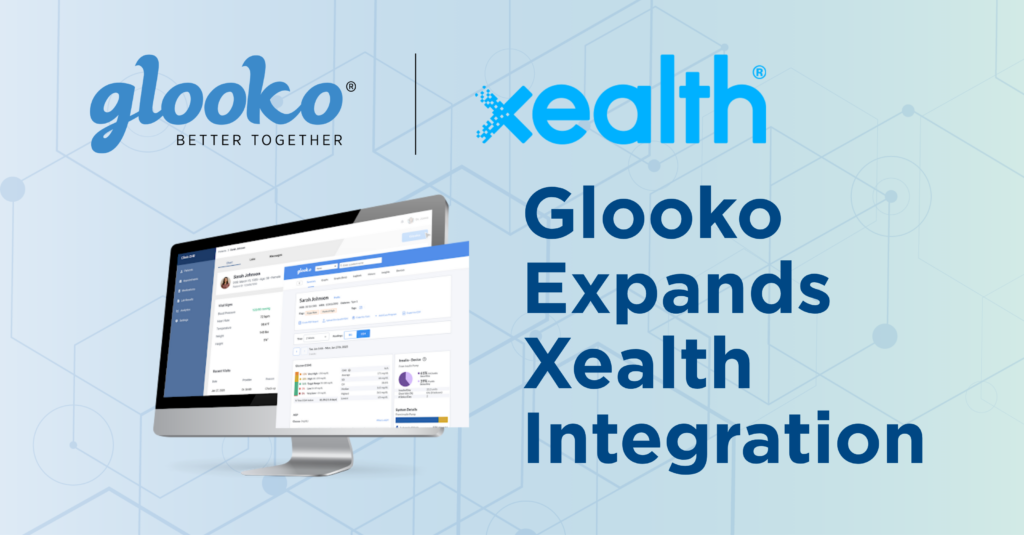
Glooko Expands EHR Integration Through Xealth: Diabetes Data, Embedded in the EHR
July 15, 2026For health systems that use Xealth to manage digital health applications, diabetes data integration no longer needs to be a tradeoff between workflow simplicity and clinical depth. By deploying Glooko’s diabetes management EHR integration capabilities through the Xealth platform, healthcare providers can bring rich diabetes data directly into EHR workflows while preserving the architecture and digital care strategy that care teams already trust. Many health systems rely on Xealth to prescribe, deliver and monitor digital health tools directly from the EHR, making it a central part of many digital care strategies. Xealth’s Digital Care SMART on FHIR capabilities allow clinicians to launch digital solutions from existing charting workflows, surface partner dashboards within the EHR, and return discrete patient data into the chart for easier review and follow-up care. By integrating Glooko’s diabetes management platform through Xealth, clinicians can remain in their familiar workflow while accessing Glooko diabetes reports, connected device data and discrete values that support efficient documentation, informed decision-making and more streamlined diabetes visits. Glooko Expanded EHR Capabilities Through the Xealth Platform Glooko EHR integrations through Xealth can now support the complete suite of core capabilities health systems look for in a diabetes data workflow: Glooko Patient Portal for Professionals: One-click access to the patient’s Glooko account from within the EHR window, reducing the need to switch platforms or leave the EHR.* PDF Report Integration: Attaches Glooko diabetes data to the patient’s EHR record. Flowsheet Statistics: Delivers discrete data including pump settings into the flowsheet of the EHR for easy documentation and analysis. Create Patient Account: Creates a patient account using data from the EHR. Single Sign-On: Secure, centralized access for professional admin users. Functional Parity Through Xealth A major advantage for health systems using Xealth is functional parity with Glooko’s broader EHR integration package. For organizations that rely on Xealth as their digital health orchestration layer, this means there is no need to compromise on integration depth. These health systems can simply extend existing Xealth environments with Glooko, gaining both a full visual report for clinical review and structured data that supports documentation, trending over time, and more robust clinical analysis. Better Workflow, Better Clinical Context This integrated approach streamlines day-to-day clinical workflows by reducing manual steps and making diabetes data easier to access at the point of care. Instead of printing, scanning and uploading diabetes reports for every visit, clinicians can receive Glooko PDF summaries automatically in the EHR, helping to eliminate a time-consuming process and free up time during visits. Unlocking More Efficient, Data-Driven Diabetes Care With Xealth and Glooko If your health system uses Xealth to manage digital health applications, Glooko can extend that investment with EHR-integrated diabetes data workflows that match the depth of a traditional integration approach. The result is a more efficient experience for care teams, richer clinical context inside the EHR, and a stronger path to scalable, data-driven diabetes care. To learn more, reach out to your dedicated Glooko Customer Success Manager or [email protected]. *One-click access to Glooko patient accounts from within the EHR is currently available for Epic only.
Learn more
The ROI of EHR-Integrated Diabetes Data
July 6, 2026Download the Case Study Now The Challenge: Manual Bottlenecks & Disconnected Data Managing a high volume of patients using hundreds of different diabetes devices created significant operational challenges for Michigan Medicine, including: 25-Minute Rooming Process: Hunting for device cords and logging into disparate platforms. Heavy Administrative Burden: Manually typing data from printed device reports into patient charts. High Risk & Costs: Increased risk of human error with manual data entry and massive paper waste (up to 100 pages per patient). The Solution: Seamless Epic® Integration via Glooko Michigan Medicine deployed Glooko’s device-agnostic platform directly inside their Epic® system, creating a unified, automated digital workflow with: One-Click Access: Direct access from the patient chart via Single Sign-On (SSO). Automated Data Flow: Instant delivery of PDF reports and flowsheet statistics upon device upload. Universal Compatibility: One secure platform supporting over 200 diabetes device brands. Inside the Case Study: Proven Results: Measurable ROI of improved efficiency, including $30K in direct cost savings annually and 91 full work days of clinical time reclaimed. Blueprint: How they mapped low-effort, high-impact EHR enhancements. Sustainability: Using “Centers of Truth” clinic hubs to onboard staff and mitigate turnover. Scale: Moving from reactive data chasing to proactive, data-driven diabetes care. Get the Case Study Now Discover how to eliminate administrative burden and reclaim clinical hours.
Learn more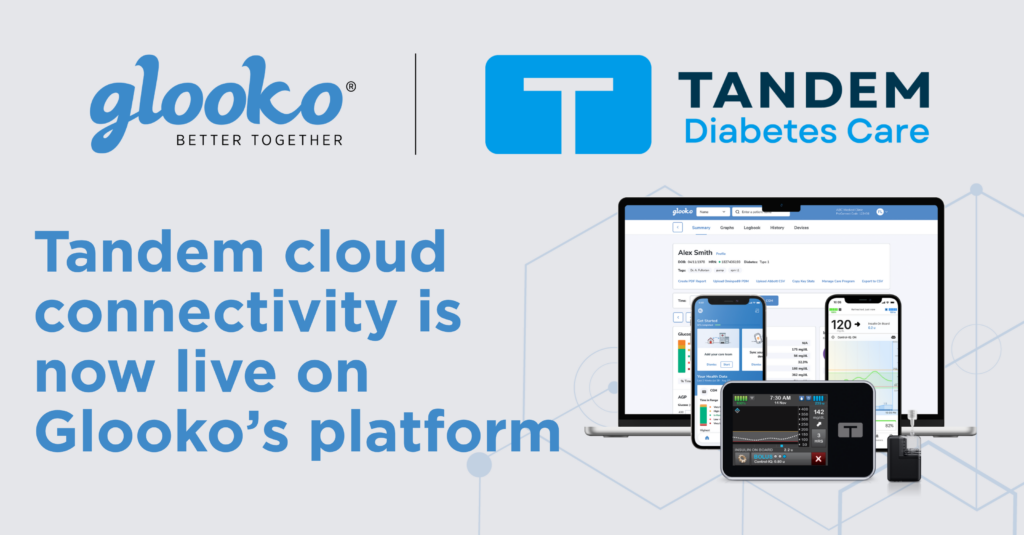
Glooko Platform Adds Tandem Cloud Connectivity
June 29, 2026The Glooko diabetes management platform is now cloud-connected with Tandem insulin pumps, giving care teams automatic, continuous access to pump data without manual uploads, cables, or patient intervention. Once a patient links their Tandem Source account, data will synchronize automatically and continuously to the Glooko platform, ready for in-office visits and remote monitoring. This integration reflects our ongoing commitment to ensure that wherever a patient’s data lives — whichever device they wear, whichever platform stores it — that data flows seamlessly into the platform their care team relies on. Expanding cloud connectivity is central to our mission of bridging the gap between people living with diabetes and their healthcare providers. Why Cloud-to-Cloud Integration Matters For people living with diabetes who use an insulin pump, data is only useful if their care team can access it efficiently. Until now, that often meant asking patients to remember to upload their device data before an appointment, or handling that step in the clinic—an extra task that slows down the visit and, in some cases, means arriving without the data at all. A direct cloud connection eliminates that friction. The Tandem mobile apps upload pump data to the Tandem Source platform approximately once per hour. With this new integration, that data—including basal and bolus deliveries, glucose trends, pump status, alerts and alarms—flows automatically into the Glooko platform without cables or manual steps. What Automatic Sync Delivers The core value of this integration is time: time recovered in the exam room, time saved across a busy clinic schedule, and more time for the conversations that matter between a person living with diabetes and their care team. Key benefits of automatic sync include: Continuous data availability. Pump data updates to the Glooko platform approximately every hour, so the record stays current between appointments. No patient action required after setup. Once accounts are linked, synchronization happens in the background. Complete therapy picture. Basal rates, bolus events, glucose trends, and device alerts are all captured in a single view for a more complete therapeutic picture. Consistent data for remote monitoring. Care teams using Glooko’s remote patient monitoring (RPM) workflows can track t:slim X2 insulin pump and Tandem Mobi* system users without waiting for an in-person visit enabling timely, proactive care from anywhere. Streamlined Workflows for Diabetes Care For care teams managing insulin pump users, pre-populated data before the patient arrives changes an appointment. Clinicians can review recent trends, flag periods of hyperglycemia or hypoglycemia, work on pre-charting, and formulate questions before the patient walks through the door. Glooko’s clinic dashboard surfaces population-level insights alongside individual patient records. With TIDE metrics and CGM Patient Risk Stratification built into the platform, care teams can prioritize outreach to patients who need it most, including those using the t:slim X2 pump or Tandem Mobi, whose automated insulin delivery data is now part of the same integrated view. For clinics using EHR integrations, Tandem pump data joined to the Glooko record is accessible across platforms including Epic, Oracle Health, MEDITECH, Greenway Health, eClinicalWorks, NextGen, and Athenahealth. This ensures documentation is in sync without the need for duplicate entries. Completing Connectivity Across Advanced Device Therapy The Glooko platform is now cloud-connected to the major manufacturers whose devices define advanced diabetes therapy for most people on CGMs and insulin pumps today: Abbott (FreeStyle Libre), Dexcom (G6 and G7), Insulet (Omnipod 5), and now Tandem (t:slim X2 and Tandem Mobi). Together, these four platforms cover the dominant CGM systems and the insulin delivery systems for people on hybrid closed loop and advanced therapy. Now the vast majority of people living with diabetes on advanced device therapy can have their data flow automatically into their care team’s workflow, without manual steps and without relying on manual uploads. Getting Started with the Tandem Cloud Connection Setting up the Tandem cloud connection requires a one-time account-linking step from the patient side. Once complete, data synchronization begins automatically and continues without additional steps. For step-by-step setup instructions, visit our Support Center. *The Tandem Mobi system is not available in all regions.
Learn more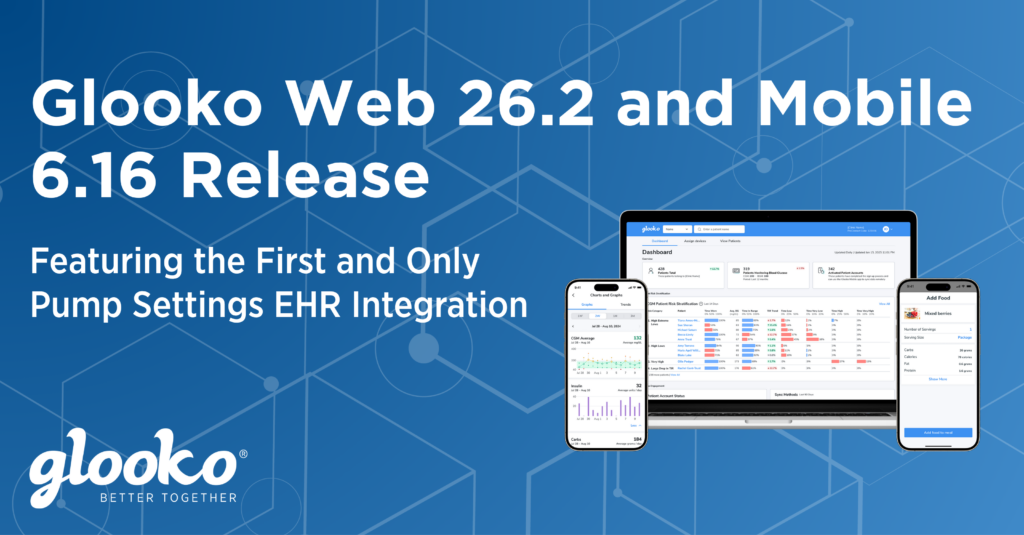
Glooko Web 26.2 and Mobile 6.16 Release Brings Pump Settings Into the EHR and Adds Smarter Patient Context
June 16, 2026We are excited to share the latest updates included in Glooko Web 26.2 and Glooko Mobile 6.16. This release is designed to help care teams reduce documentation burden, surface richer patient context at the point of care, and support more efficient diabetes management workflows across the Glooko platform.
Learn more
Highlights from ADA 2026: Smarter Workflows with EHR-Integrated Diabetes Data
June 11, 2026Thank you to everyone who connected with Glooko at the American Diabetes Association’s 2026 Scientific Sessions. Throughout the event, we were excited to share how Glooko is helping care teams simplify diabetes management across the care continuum, from inpatient glycemic management to optimizing diabetes care in the clinic.
Learn more
From Hospital to Home: Why Glycemic Management Needs a Continuum Lens
June 9, 2026Diabetes care has always required clinical judgment, persistence and partnership. But the work of diabetes management is changing. Today, clinicians, patients, device partners, hospitals and health systems are navigating more data than ever before, including continuous glucose monitoring (CGM) readings, insulin delivery data, device uploads, remote monitoring signals, inpatient glucose trends, medication context and quality measures. The opportunity is enormous, and so is the burden.
Learn more
EHR-Integrated Diabetes Care at Scale: A More Holistic, Data-Driven Approach Across the Continuum
May 27, 2026Hospitals and health systems can transform inpatient and outpatient diabetes management into an EHR-integrated, data-driven care model with Glooko and EndoTool.
Learn more
How We Are Speeding Up Glooko to Better Serve People with Diabetes and Care Teams
May 19, 2026Glooko CTO Prakash Menon shares how we optimized our connected care solutions for healthcare providers and people with diabetes to be faster and more reliable.
Learn more
Glooko at the American Diabetes Association’s 2026 Scientific Sessions: Smarter Workflows with EHR-Integrated Diabetes Data
May 18, 2026Glooko will showcase its diabetes and glycemic management solutions and EHR integrations at the American Diabetes Association’s 2026 Scientific Sessions.
Learn more
Advancing Connected Diabetes Management with mylife Diabetes Care
May 12, 2026Glooko’s Dave Conn shares the benefits of Glooko serving as the primary data management provider for mylife products.
Learn more
Recognized as Best Overall MedTech Software: How Glooko Is Connecting Diabetes Care Across the Continuum
May 7, 2026Glooko CEO Mike Alvarez reflects on the global diabetes management leader being named 2026 MedTech Breakthrough Award winner for “Best Overall MedTech Software.”
Learn more