 Diabetes technology is becoming more connected, more automated, and more central to everyday care. As people with diabetes and their healthcare teams use more devices and digital tools, the ability to bring data together in a clear and useful way is increasingly important.
That is why Glooko is proud to announce a new agreement with mylife Diabetes Care to serve as the exclusive data management provider for mylife products.
The agreement supports people using mylife solutions, including mylife YpsoPump and mylife Loop powered by CamAPS FX, as well as the healthcare professionals who help guide their care.
A key part of this agreement is that mylife will transition healthcare providers and patients from mylife Cloud to Glooko as the go-forward data management platform for mylife products. This is especially meaningful because many clinicians and patients are already using Glooko in this capacity today, and this agreement builds on that existing momentum.
The timing is especially important as automated insulin delivery systems become a more established part of diabetes care. mylife Loop brings together mylife YpsoPump, the mylife CamAPS FX app, and supported CGM sensors. That kind of connected therapy model depends on data that can be accessed, reviewed, and shared in a practical way.
Glooko is designed to help simplify this experience by connecting diabetes data from devices and apps into a platform that supports patients, clinicians, and care teams. This agreement reflects our shared focus on making diabetes data more connected, useful, and accessible across care settings.
We look forward to working with mylife Diabetes Care and healthcare teams to help make diabetes data more connected and easier to use.
Explore our compatibility page to learn more about using Glooko with mylife products.
For people currently using mylife products, no therapy changes should be made based on this announcement. Please consult your healthcare professional or contact Glooko for information about connecting to the platform and understanding available support resources in your market.
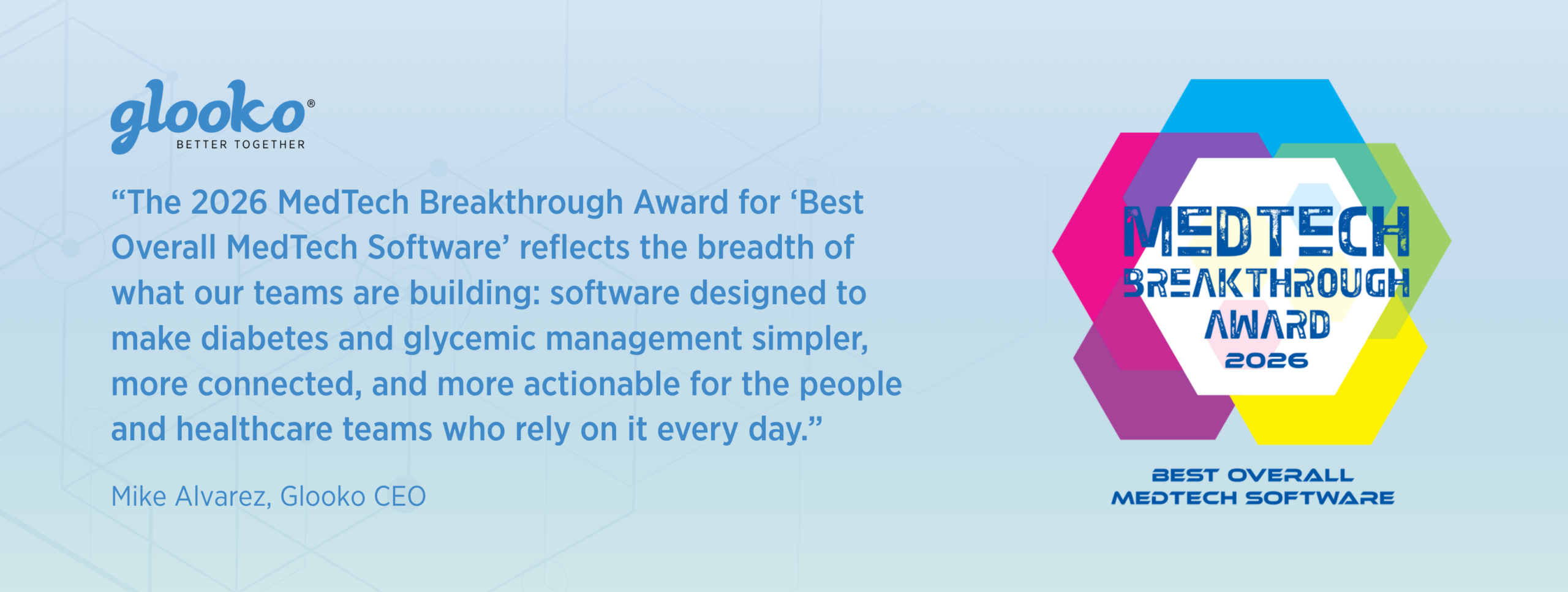
 Today, we’re proud to share that Glooko has been named the winner of the 2026 MedTech Breakthrough Award for “Best Overall MedTech Software.”
This recognition is meaningful because it reflects the breadth of what our teams are building: software designed to make diabetes and glycemic management simpler, more connected, and more actionable for the people and healthcare teams who rely on it every day.
Diabetes care generates an enormous amount of data. For people living with diabetes, that data can come from glucose meters, CGMs, insulin pumps, connected pens, activity trackers, food logging, blood pressure readings, and more. For clinicians, hospitals, and health systems, the challenge is not simply having more data — it is making that data useful, accessible, secure, and actionable inside real clinical workflows.
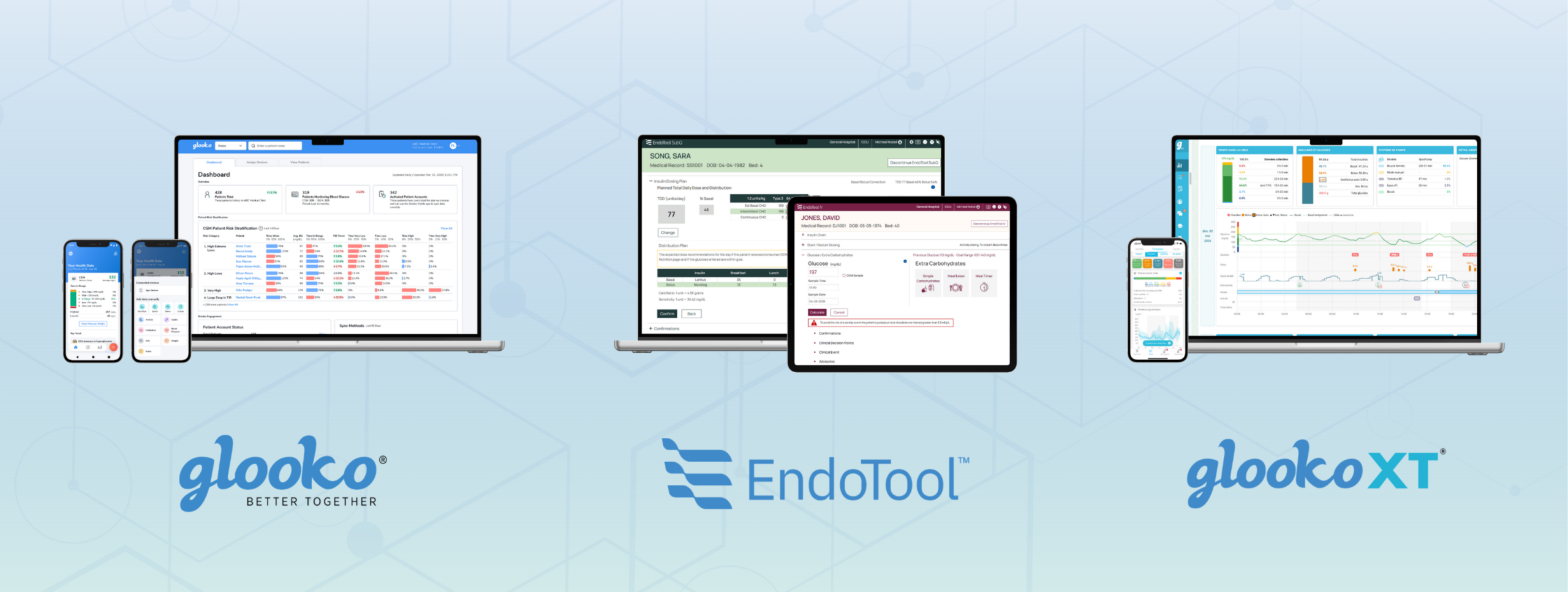
That is where Glooko is focused. Our portfolio spans the Glooko outpatient diabetes management platform, the Glooko Mobile App, Glooko XT in France, and EndoTool for inpatient glycemic management. Each solution supports a different part of the diabetes and glycemic management journey, but all are grounded in the same purpose: simplifying care, strengthening connections, and helping people and care teams make more informed decisions.
Making diabetes data easier to use
The outpatient Glooko diabetes management platform is designed to help care teams bring diabetes data together in one place. By connecting with more than 200 diabetes and health monitoring devices and apps and integrating into EHR workflows, Glooko helps reduce platform switching and gives providers a more complete view of their patients’ health data. That matters because every minute spent hunting for data is time taken away from patient care.
Supporting people with diabetes between visits
For people living with diabetes, the Glooko Mobile App helps make day-to-day management more approachable. Users can sync and view their health data, review trends, log information, and securely share data with their care teams. The goal is to help people better understand what is affecting their diabetes and support collaboration beyond the clinic visit.
Extending the portfolio across care settings
The addition of the EndoTool Glucose Management System through Monarch Medical Technologies expanded Glooko’s portfolio into inpatient glycemic management. EndoTool is designed to assist clinicians in optimizing insulin dosing for hospitalized patients, and it reflects our broader commitment to supporting glycemic safety across care settings. As we continue building toward a more connected future, we are focused on doing so with the quality, regulatory discipline, and clinical rigor healthcare demands.
A global approach with local needs in mind
Glooko XT, our remote patient monitoring solution in France, reflects another important part of our work: adapting digital health solutions to local healthcare landscapes, regulations, and patient needs. Diabetes care is global, but healthcare delivery is local. Our software must be flexible enough to support both realities.
This recognition belongs to the team
Awards are moments to pause, but they are not endpoints. This MedTech Breakthrough recognition belongs to the teams across Glooko who build, support, secure, regulate, implement, and continuously improve our software. It also belongs to the clinicians, health systems, partners, and people with diabetes who challenge us to keep making diabetes care simpler and more connected.
We are honored to receive this award and excited for what comes next as we continue transforming diabetes and glycemic management across the care continuum.
Read the full announcement here.
Not all products are available in all countries. EndoTool is developed and marketed by Monarch Medical Technologies, a Glooko Company. EndoTool is an FDA-cleared Class II medical device indicated for inpatient use as described in its Instructions for Use. Glooko’s diabetes management platform and EndoTool are currently independent solutions.
 In inpatient glycemic management, the challenge is not simply lowering glucose. It is doing so without causing harm. That is why new EndoTool IV data being presented at the American Association of Clinical Endocrinology (AACE) Annual Meeting 2026 matter: across 19 hospitals, severe hypoglycemia fell 98% versus paper protocols, while severe hyperglycemia remained low at 0.17%.
The poster reports a three-year retrospective analysis from January 2023 through December 2025, covering 17,838 patients and 362,901 blood glucose values. Severe hypoglycemia incidence dropped to 0.005% compared with 0.23% under historical paper protocols. In 4,804 patients treated through DKA-specific protocols, severe hypoglycemia incidence was only 0.007%. Just as important, the analysis found that 2,213 potential episodes of hypoglycemia were avoided because EndoTool IV recommended prophylactic carbohydrates before blood glucose dropped below 70 mg/dL.
One of the most compelling parts of the poster is the renal story. Patients with severe renal impairment are often among the most difficult and highest-risk populations in inpatient insulin management. In this analysis, patients with eGFR <15 had a severe hypoglycemia incidence of 0.007%, compared with 0.005% in patients with eGFR >60. That finding aligns closely with EndoTool’s approved differentiation around patient-specific dosing, residual insulin calculation, and support for safer dosing in patients with reduced renal function.
 This is where the “so what” becomes clear. Hospitals are facing more pressure to improve glycemic safety, and severe hypoglycemia and hyperglycemia are more visible quality concerns than they were even a few years ago. A tool that can help reduce patient harm, support more standardized insulin dosing, and give teams more confidence in complex cases is not just clinically useful – it is strategically relevant.
The EndoTool message has long been that inpatient insulin management should be safer, simpler, and more standardized. EndoTool is patient-specific, capable of adjusting for kidney function and steroid use, and able to recommend proactive carbohydrate interventions when hypoglycemia appears imminent. This can lead to reduced cognitive burden for clinicians, more consistent protocols, and better support for frontline teams. This new poster gives that story fresh, real-world, health-system-scale evidence.
The bigger takeaway is this: hospitals should not have to choose between reducing hypoglycemia and maintaining glycemic control. These data suggest that patient-specific insulin dosing can help achieve both. And in today’s environment, that is a story worth paying attention to.
EndoTool is developed and marketed by Monarch Medical Technologies, a Glooko Company. EndoTool is an FDA-cleared Class II medical device indicated for inpatient use as described in its Instructions for Use. Glooko’s diabetes management platform and EndoTool are currently independent solutions. Patient-specific refers to EndoTool’s ability to use available patient information within the hospital’s electronic medical record to provide individualized insulin dosing recommendations. Recommendations are intended to assist, not replace, clinical judgment. All treatment decisions remain the responsibility of the licensed healthcare provider.
The Glooko team is thrilled to head to Las Vegas from April 22 to 24 for the 2026 American Association of Clinical Endocrinology (AACE) Annual Meeting, the premier event for endocrinology experts that brings together clinicians, researchers, and innovators to share cutting-edge science, clinical insights, and innovations shaping the future of endocrine care.
Our poster presentation, “Virtual Elimination of Severe Hypoglycemia Utilizing a Computerized Insulin Dosing Algorithm for Intravenous Insulin Infusions,” will take place at AACE on Thursday, April 23 from 11:10–11:25 a.m. PDT at Poster Station 4, Learning Zone, Caesars Forum. Paul Chidester, MD, FACP, Medical Director for EndoTool at Glooko and Joseph Aloi, MD, FACE, Section Chief, Endocrinology and Metabolism at Advocate Health Wake Forest Baptist Hospital, will share outcomes from Advocate Health’s use of the EndoTool Glucose Management System, developed by Monarch Medical Technologies, a Glooko Company, for inpatient glycemic care across its 19-hospital health system.
Poster Presentation
- Virtual Elimination of Severe Hypoglycemia Utilizing a Computerized Insulin Dosing Algorithm for Intravenous Insulin Infusions
- Authors: Joseph Aloi, MD, FACE, Advocate Health Wake Forest Baptist Hospital; Paul Chidester, MD, FACP, Glooko
- Conference: American Association of Clinical Endocrinology (AACE) 2026 Annual Meeting
About EndoTool
EndoTool is the leading FDA-cleared, patient-specific inpatient insulin-dosing software trusted by 8 of the top 10 U.S. health systems to support safer, more consistent glycemic management. The solution’s unique algorithm models each patient’s clinical characteristics and response to insulin to provide optimal dosing recommendations, and reduce the risk of severe hypoglycemia to virtually zero.

EndoTool is developed and marketed by Monarch Medical Technologies, a Glooko Company. EndoTool is an FDA-cleared Class II medical device indicated for inpatient use as described in its Instructions for Use. Glooko’s diabetes management platform and EndoTool are currently independent solutions. Patient-specific refers to EndoTool’s ability to use available patient information within the hospital’s electronic medical record to provide individualized insulin dosing recommendations. Recommendations are intended to assist, not replace, clinical judgment. All treatment decisions remain the responsibility of the licensed healthcare provider.
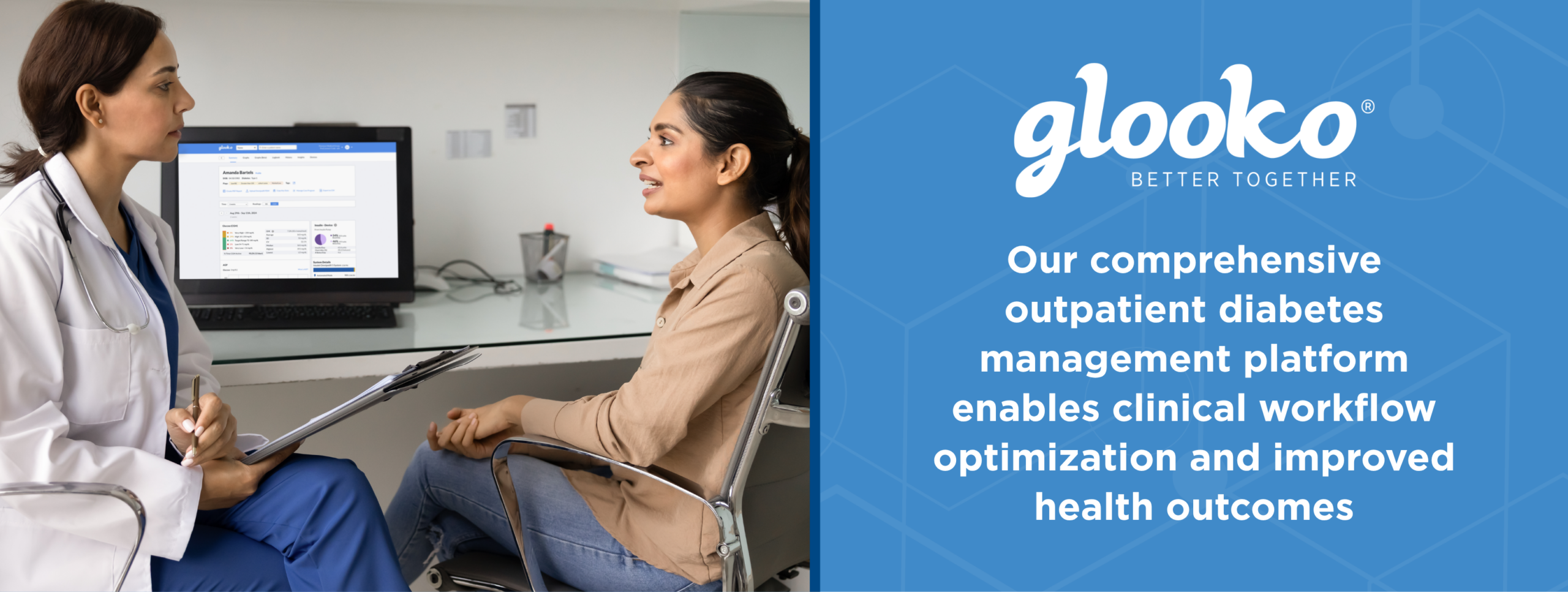
 Managing diabetes shouldn’t feel so time-intensive for healthcare providers.
The Glooko outpatient diabetes management platform benefits endocrinologists, nurses, diabetes educators, primary care providers, dietitians, and other clinicians at hospitals and health systems by unifying data from more than 200 diabetes and health monitoring devices and apps into a single, secure, EHR-integrated solution. By streamlining workflows and advancing remote collaboration with patients, Glooko frees up care teams to focus on what matters most: engaging with patients with diabetes and improving their health outcomes.
The Six Reasons Glooko is the Choice for Outpatient Diabetes Management by Hospitals and Health Systems
1. Integration with Leading EHRs to Streamline Workflows
Glooko’s outpatient digital health solution seamlessly integrates with leading EHR systems, including Epic, Oracle Health, MEDITECH, Greenway Health, eClinicalWorks, NextGen, and Athenahealth, via SMART on FHIR to securely centralize diabetes and related health data in one place, eliminating the need to switch platforms and find login credentials. Designed to streamline clinical workflows and save time, its EHR integrations help healthcare providers reduce burnout and work more efficiently using a single interface that has a complete view of patient health data.
2. Extensive Customer Support Offerings to Ensure Success
Glooko offers healthcare providers dedicated customer success managers, U.S.-based support, and expert-led implementation of our diabetes connected care platform. Backed by an extensive help center, rapid response times, and comprehensive training resources, we ensure care teams at hospitals and health systems have the support they need to provide the highest quality care to people living with diabetes.
3. Most Secure Diabetes Management Platform to Advance Patient Safety
As the only diabetes management company with multiple industry-leading certifications from leading global security and privacy organizations, Glooko sets the standard for data privacy. We protect sensitive information through hundreds of robust controls and annual third-party audits. By prioritizing security, we help secure sensitive data, ensure patient safety, and reduce breach risks, while providing uninterrupted and protected access for both patients and healthcare providers.
4. Evidence-based Care to Deliver Sustainable and Measurable Health Outcomes
With our evidence-based diabetes management platform, people living with diabetes experience more stable blood glucose levels, increased time in range, better overall glycemic control, and a stronger sense of empowerment in managing their own health using the Glooko Mobile App. Multiple studies have been conducted where immediate and sustained improvements across glycemic outcomes were observed following remote patient monitoring powered by Glooko. By improving patient health, Glooko unlocks cost savings and elevates performance across value-based care metrics.
5. Largest Device Ecosystem to Integrate Health Data Seamlessly
With the largest device ecosystem, the device-agnostic Glooko solution streamlines diabetes management for care teams and people with diabetes. The innovative platform seamlessly integrates with more than 200 diabetes and health monitoring devices and apps, including CGMs, BGMs, insulin pumps and pens, and fitness trackers, to consolidate fragmented data into a single, actionable view. By integrating patient data, Glooko enables more informed, personalized, data-driven treatment by healthcare providers.
6. Population-Level Insights to Empower Diabetes Care Teams
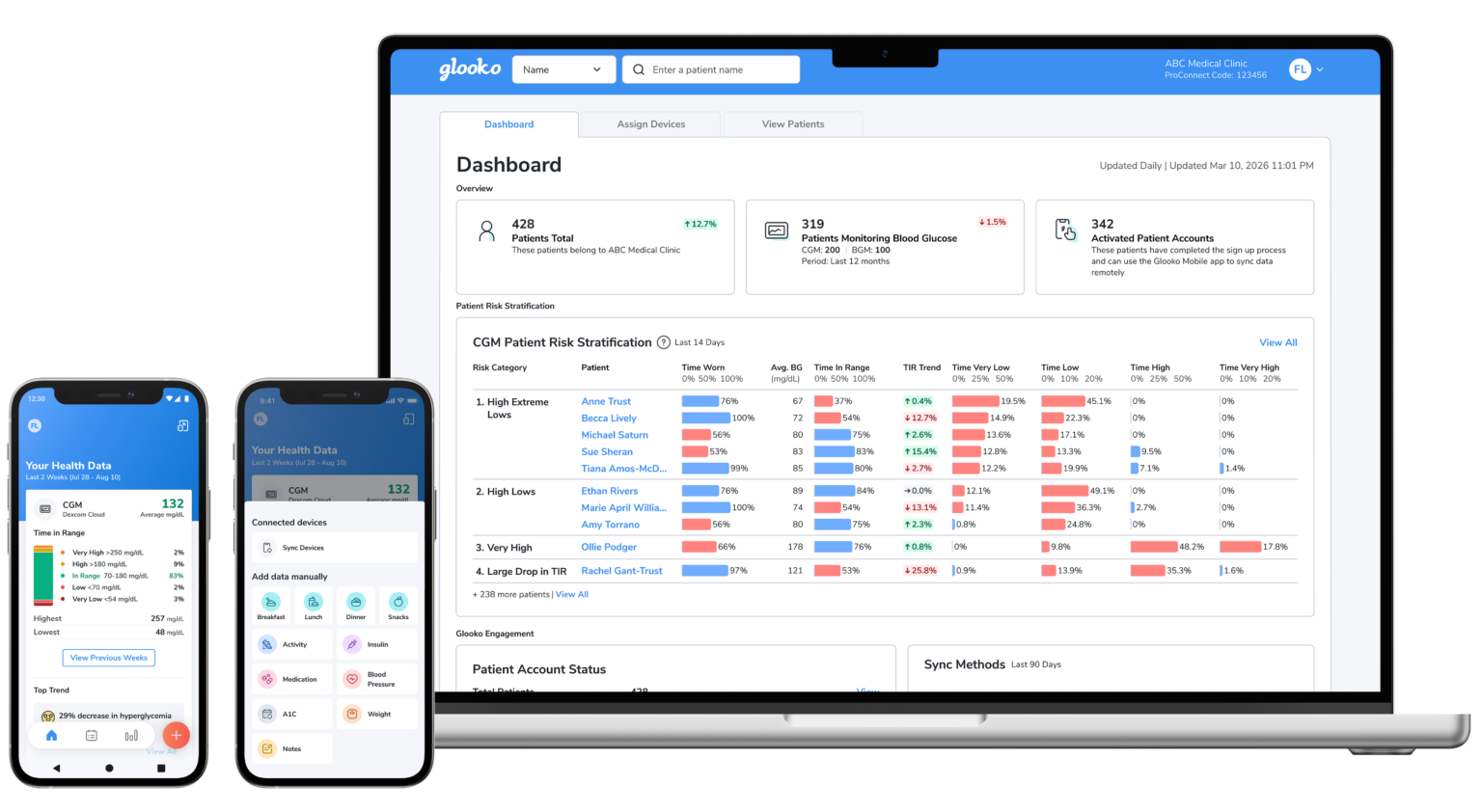
Designed for busy care teams, Glooko’s clinic dashboard simplifies the complexity of managing large diabetes populations through a user-friendly, data-driven interface. By leveraging TIDE metrics and the CGM Patient Risk Stratification feature, healthcare providers can prioritize care by focusing their time and interventions on the patients who need them most. The tool, available in select countries, optimizes diabetes population health management by providing quick, actionable insights into patient trends and key clinic metrics.
Experience our Outpatient Diabetes Connected Care Solution
Schedule a demo of Glooko, our comprehensive diabetes management platform trusted by leading healthcare organizations, that enables clinical workflow optimization and improved health outcomes in the outpatient setting.
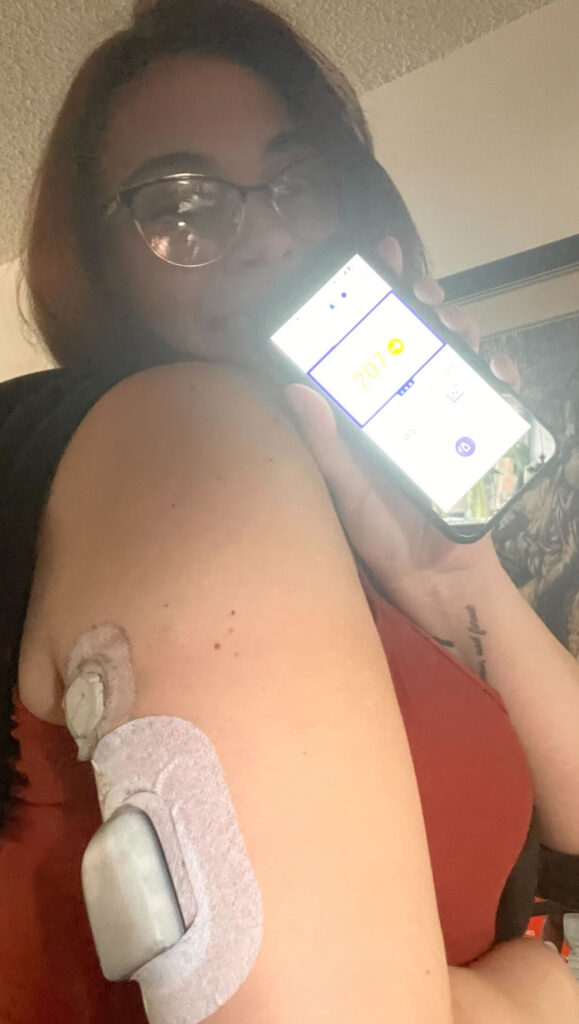 Sometimes the most important moments at a company offsite have nothing to do with strategy slides or breakout sessions. At Glooko’s recent employee gathering in New Orleans, one of those moments came when Sophia Cano walked into the room and shared her story alongside a member of the national board of the American Diabetes Association.
Sophia is a young woman living with type 1 diabetes (T1D). Growing up, she had big dreams that included varsity sports, a college scholarship, a future built on hard work and competition. But her school couldn’t accommodate the needs of a student managing T1D, and one by one, those doors closed. She missed practices, social events, and school days. The scholarship never came.
When Sophia finished speaking, the room was quiet. Then it wasn’t.
The Birth of Glooko Cares
The Glooko team has long felt a pull to give back through direct action in the communities most affected by diabetes. Sophia’s story gave us the spark we needed to formalize that instinct into something real.
Glooko Cares is our new company initiative rooted in the belief that improving the lives of people with diabetes isn’t just done through our technology, rather it’s also done directly within the communities we live in. Through Glooko Cares, we’ll identify meaningful opportunities to support individuals and communities with high diabetes needs, both nationally and locally, showing up in ways that go beyond our platforms.
Our First Act: Sophia’s GoFundMe
We kicked off Glooko Cares by rallying behind Sophia directly. We created a GoFundMe where the funds raised will cover the cost of the insulin pump she needs, with any additional donations going toward her ongoing diabetes supplies and expenses.
Glooko donated $4,000 to get Sophia a pump. But what about supplies? Well, we covered that too! The company matched every dollar employees donated, totaling more than $15,000.
- This is what our support means for Sophia:
- Freedom from workplace injection conflicts that put her job at risk
- Better, more consistent blood sugar management with an insulin pump
- Reduced financial stress around the ongoing cost of diabetes supplies
- A reminder that she is not navigating this alone
We are grateful to Sophia for her courage and generosity in sharing her journey with us. She did it because she hoped it might help someone else down the line, and she’s already helped us become a better, more purposeful company.
This is what Glooko Cares looks like. We’re just getting started!
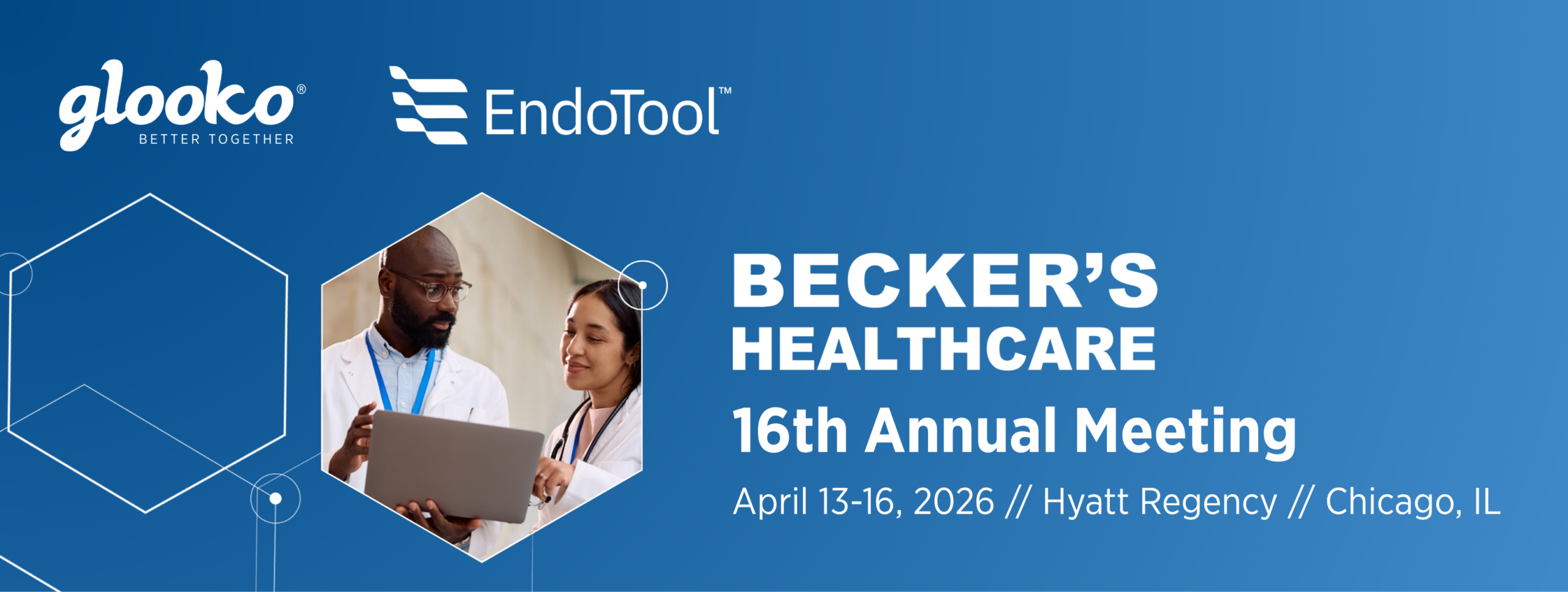
The Glooko team is excited to join industry trailblazers in Chicago from April 13 to 16 for the Becker’s Healthcare 16th Annual Meeting. This flagship event brings together the brightest minds in health system leadership, and we look forward to connecting with the CEOs, CFOs, CNOs, and CIOs driving the next wave of clinical innovation.
With a focus on margin recovery, workforce stability, and AI adoption, we’ll showcase at booth 136 how we’re redefining the diabetes care continuum by moving away from fragmented, disconnected tools and toward a more unified diabetes ecosystem, integrated with the EHR, that supports patients in the hospital through the EndoTool Glucose Management System, developed by Monarch Medical Technologies, a Glooko Company, and at home using the Glooko diabetes management platform.
“The Becker’s Healthcare 16th Annual Meeting is the perfect stage to showcase how Glooko is redefining the enterprise partnership through our digital health solutions designed to slash glycemic risk and lift the weight off the shoulders of overburdened diabetes care teams,” said Glooko CEO Mike Alvarez. “From the ground up, our inpatient and outpatient platforms spanning the entire care continuum are built for what matters most in modern healthcare: ironclad security, seamless interoperability with the EHR, core workflow optimizations, and a relentless focus on the clinician experience.”
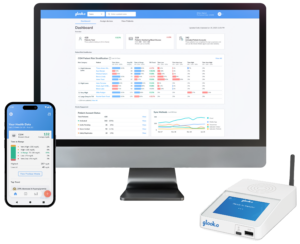
Glooko: Transforming Outpatient Diabetes Management Through Data-Driven Care and Population Health Insights
In the outpatient setting, Glooko transforms diabetes management by optimizing ambulatory and endocrinology workflows. By seamlessly syncing with over 200 diabetes and health monitoring devices and apps, our platform eliminates data silos and fosters deeper remote collaboration between patients and care teams. This shift from reactive treatment to proactive, risk-based outreach empowers care teams to use our clinic dashboard to prioritize high-risk patients. The result is a more scalable, effective care model that optimizes population health management.
EndoTool: Reducing Hypoglycemia and Optimizing Inpatient Diabetes Care
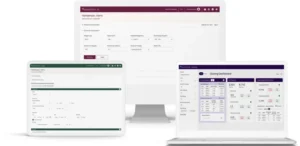 On the inpatient side, EndoTool provides a sophisticated solution for precise glycemic management. By offering robust clinical decision support and standardized workflows, EndoTool empowers care teams to achieve safer insulin dosing while significantly improving operational efficiency. This automated approach reduces the manual burden on nursing staff and eliminates the risks associated with traditional sliding-scale protocols. By stabilizing blood glucose levels more rapidly and accurately, hospitals can drive measurable improvements in patient safety, like reducing the risk of severe hypoglycemia to virtually zero, and clinical quality metrics.
Experience our innovative diabetes digital health solutions at booth 136
See how Glooko and EndoTool advance interoperability, efficiency, and diabetes care continuity across inpatient and outpatient settings by scheduling a demo with our team.

EndoTool is developed and marketed by Monarch Medical Technologies, a Glooko Company. EndoTool is an FDA-cleared Class II medical device indicated for inpatient use as described in its Instructions for Use. Glooko’s diabetes management platform and EndoTool are currently independent solutions. Patient-specific refers to EndoTool’s ability to use available patient information within the hospital’s electronic medical record to provide individualized insulin dosing recommendations. Recommendations are intended to assist, not replace, clinical judgment. All treatment decisions remain the responsibility of the licensed healthcare provider.
We’re thrilled to journey to Nashville from March 29 to April 1 for the Society of Hospital Medicine Converge Conference 2026, the premier gathering for hospital medicine professionals.

As the healthcare landscape shifts toward a system-level approach to glycemic safety, Glooko will showcase how we’re redefining inpatient insulin management through the EndoTool Glucose Management System, developed by Monarch Medical Technologies, a Glooko Company, at SHM Converge booth 503.
With nearly one-third of hospitalized patients requiring glycemic support, the conversations we’re having with hospitalists emphasizes a shared goal: moving away from reactive, “one-size-fits-most” protocols and toward proactive, data-driven precision to meet newly required CMS reporting guidelines.
Assess Your Inpatient Insulin Workflows at Booth 503
With these mandatory CMS glycemic safety reporting now active, the need to ensure robust inpatient insulin management has moved to the center of the quality agenda. Visitors to our booth will have the opportunity to audit their hospital’s existing insulin workflows against new CMS guidelines in our five-minute CMS Glycemic Safety Readiness Assessment and discuss next steps with our team.
Transforming Diabetes Management from Hospital to Home
Beyond our technology, our presence at SHM Converge underscores Glooko’s broader mission to bridge the diabetes care gap between hospital and home. We know that effective diabetes management is a continuous journey that doesn’t end at discharge, and that’s why our acquisition of Monarch Medical Technologies and EndoTool was a pivotal step in advancing comprehensive inpatient and outpatient diabetes care.
Ready to Enhance Inpatient Diabetes Care?
Schedule a demo with our experts to learn how we can help your hospital meet the new CMS glycemic reporting requirements while delivering the high-quality, personalized care patients deserve.
EndoTool is developed and marketed by Monarch Medical Technologies, a Glooko Company. EndoTool is an FDA-cleared Class II medical device indicated for inpatient use as described in its Instructions for Use. Glooko’s diabetes management platform and EndoTool are currently independent solutions. Patient-specific refers to EndoTool’s ability to use available patient information within the hospital’s electronic medical record to provide individualized insulin dosing recommendations. Recommendations are intended to assist, not replace, clinical judgment. All treatment decisions remain the responsibility of the licensed healthcare provider.
Inpatient glycemic safety is no longer just a clinical goal — it’s now a visible, system-level performance measure. With CMS requiring eCQM reporting for severe hypoglycemia and hyperglycemia as part of the Inpatient Quality Reporting (IQR) program, variations in workflows and insulin management are becoming consequential.
Moderated by Becker’s Healthcare, Glooko’s Paul Chidester, MD, FACP, NYC Health and Hospitals Lincoln’s Lewis Marshall Jr., MD, Hackensack Meridian Jersey Shore University Medical Center’s Harpreet Pall, MD, and Temple University Health System’s Benjamin Slovism, MD, share strategies they are implementing to support frontline clinicians with inpatient glycemic safety, standardize clinical workflows, and align glycemic management to meet these new CMS reporting mandates.
Key Takeaways
- Ways CMS reporting is changing inpatient glycemic safety expectations
- How operational and workflow variability can undermine performance
- Practical strategies for improving insulin management consistency without limiting clinical judgment
- How to measure, monitor, and sustain glycemic safety at scale
Watch the Webinar
Catch a Recap
Read a recap of the Glooko-hosted Becker’s Healthcare webinar to learn why glycemic safety efforts often fall short and how leaders are building the infrastructure and standardization needed to close those gaps.
Is your hospital ready to close CMS glycemic safety gaps?
Visit Glooko’s CMS Glycemic Safety Readiness Hub to take a five-minutes assessment that evaluates your hospital’s alignment with the CMS mandates and identifies priority areas during the active reporting period.
MKT-0558
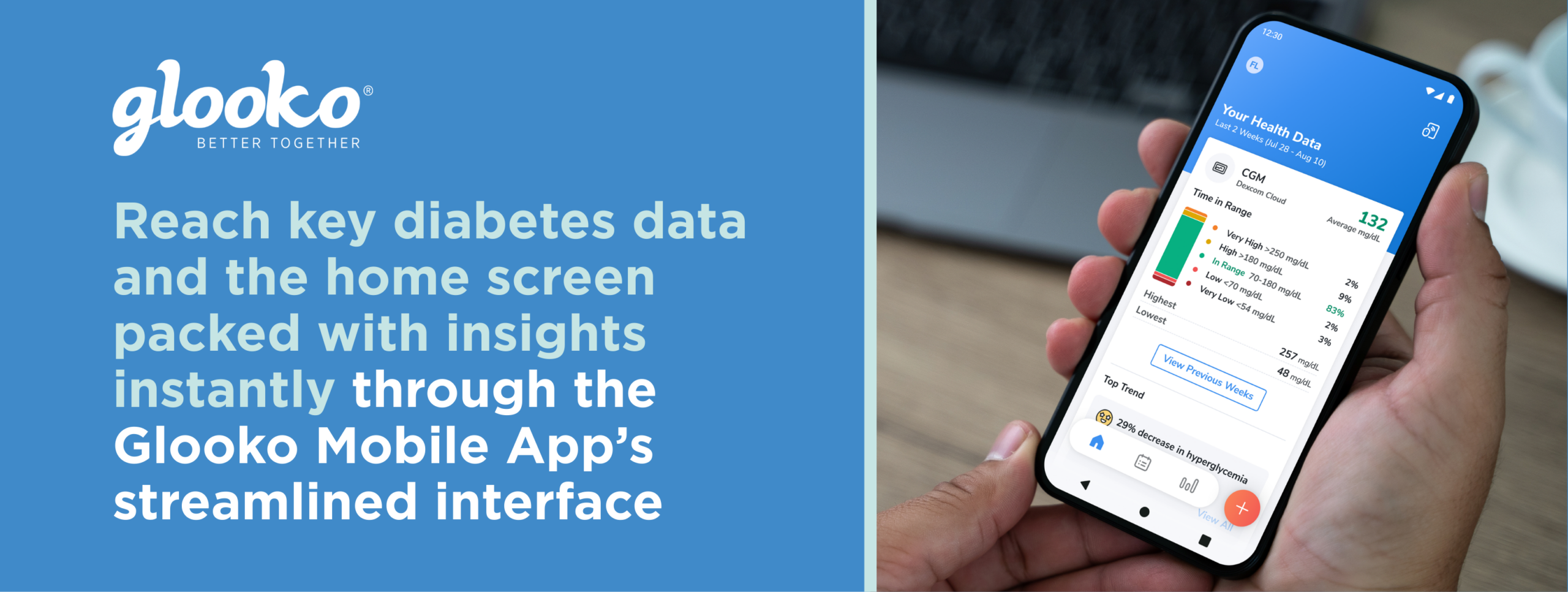
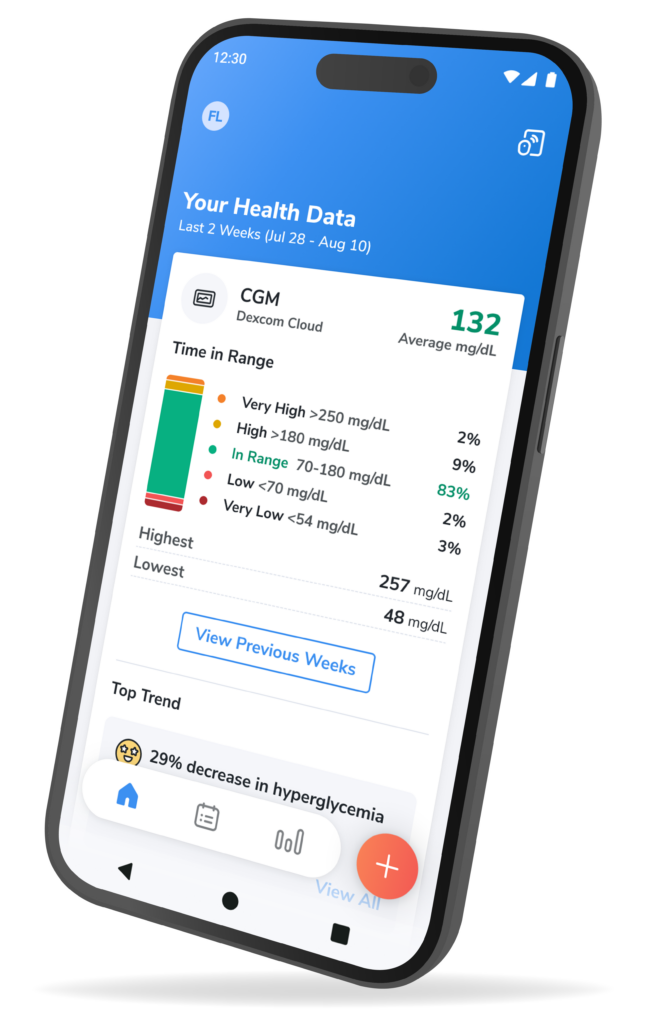 In the Glooko Mobile 6.15 release, we introduced a refreshed Glooko Mobile App experience with the busy daily routine of people living with diabetes in mind.
The free app, proven to improve glycemic outcomes in 2 months, helps people living with diabetes better manage and understand their chronic condition from anywhere by syncing data from more than 200 diabetes and health monitoring devices and apps, providing comprehensive charts and graphs, and enabling remote collaboration with their care teams to improve health outcomes.
The redesign gives users with Type 1 diabetes, Type 2 diabetes, gestational diabetes, and prediabetes a smoother, faster way to navigate to important features and add health data using a new bottom navigation bar.
“As both a designer and someone who manages type 1 diabetes myself, I know how important it is to quickly understand what your data is telling you,” said Glooko Vice President of Product Design Amanda DeVay. “With this redesign, our goal was to make it easier to log key information and quickly review glucose trends and patterns throughout the day. Whether someone is logging a meal quickly or reviewing important health information like blood pressure, weight, and activity alongside glucose data, the experience is designed to fit naturally into daily life and help people stay in control of their diabetes.”
Benefits of the new experience for people with diabetes:
- Navigate with ease: Reach key diabetes data and the home screen, packed with insights like Time in Range, Top Trends (U.S. only), the Daily Log, Graphs, and an overview of device data, instantly through the streamlined interface.
- Log data in seconds: Use new shortcuts and intuitive icons to track food, activity, insulin, medication, blood pressure, A1C, and weight, record notes, and sync compatible devices.
- Seamless care collaboration: Effortlessly find and manage connections to care team members, including endocrinologists, primary care physicians, and certified diabetes care and education specialists (CDCESs), who rely on health data to make better treatment decisions.
- Stay focused on goals: Highlight actionable milestones within our onboarding process to help users get the most out of the Glooko Mobile App.
Experience the newly redesigned Glooko Mobile App
With the refreshed experience now available for users around the globe, people living with diabetes can take their diabetes management to the next level today by downloading the latest version in the App Store and the Google Play Store today.
For assistance with the new navigation and layout, visit our Support Center.
*Not all product features are available in all countries.