This blog post features contributions from Glooko’s clinical team., including Amanda Edwards, BSN, RN, Amanda Heger, MSN, RN, AMB-BC, Christine Emery, BSN, RN, CCRN, Paul Chidister, MD, FACP, and Marc Clements, MD, PhD
As clinicians and health system leaders, you understand the critical nexus of diabetes and cardiovascular risk — a dual-threat that often dictates patient morbidity and mortality.
Both the American Heart Association (AHA) and the American Diabetes Association (ADA) identify diabetes as a powerful, controllable risk factor, noting that adults with diabetes are two to four times more likely to die from or develop these conditions ¹. Uncontrolled blood sugar is a major risk factor, making this link impossible to ignore, especially when cardiovascular disease causes roughly 65% to 75% of all-cause mortality in people with type 2 diabetes ².
Our digital health solutions, the EndoTool Glucose Management System, developed by Monarch Medical Technologies, a Glooko Company, and the Glooko diabetes management platform, are designed to support this complex relationship, providing a clear and efficient pathway to monitoring diabetes data and potentially protecting your patients‘ hearts.

EndoTool: Ensuring Inpatient Glycemic Stability and Supporting Cardiovascular Health
 For critically ill patients recovering from acute cardiac events (myocardial infarction, heart failure, and post-surgery), safe, precise, and stable inpatient glucose management is crucial for minimizing complications, accelerating recovery, and ensuring discharge readiness. The dynamic ICU and cardiac step-down environments require a highly precise, algorithmic solution aligned with critical care protocols, such as those from the Institute of Critical Care Medicine (ICCM)⁶.
When patients recovering from acute cardiac events present with co-morbidities like acute kidney injury (AKI), standard insulin protocols prove insufficient to safely support altered renal function as this drastically impacts insulin clearance. EndoTool is engineered to navigate this metabolic complexity through the use of 11 patient-specific proprietary factors. These factors allow the system to create a truly individualized insulin management profile that accounts for:
- Renal Function: Adjusting for altered insulin clearance in AKI.
- Insulin Sensitivity and Resistance: Recognizing the significant variability in patient response.
- Glycemic Trajectory: Assessing the rate and direction of glucose change to proactively prevent excursions.
The Science of Control: EREI & Tight Algorithms for Unmatched Safety

EndoTool’s Estimated Residual Extracellular Insulin (EREI) Calculation is a cornerstone of its safety and effectiveness. EREI accurately quantifies „insulin on board,“ preventing dose compounding, a common cause of hypoglycemia in traditional protocols. This sophisticated estimation ensures precise, effective, and critically safe patient-specific dosing.
Preventing Hypoglycemia Before It Starts
Hypoglycemia is not just a complication; it is an independent risk factor for adverse cardiovascular events, including arrhythmias and increased mortality³,⁵. EndoTool’s design could help actively mitigate this risk factor:
- Engineered to Reduce Dual-Risk: EndoTool’s tight control algorithms are specifically engineered to help minimize both severe hyper- and hypoglycemia.
- Proof of Safety: Its algorithms achieved aggressive glucose targets with an unmatched safety profile: severe hypoglycemia (BG < 40 mg/dL) occurred in only 0.13% of all blood glucose readings in an ICU study ⁴.
- Proactive Carbohydrate Recommendations: When a rapid glucose decline signals impending hypoglycemia, the system not only holds the next insulin dose but also actively recommends supplemental carbohydrate intake. This proactive intervention stabilizes glucose before it reaches a dangerous threshold.
Case Study Snapshot: Atrium Health Wake Forest Baptist
Effective, stable inpatient glucose control is crucial for successful patient recovery and transition to outpatient care, supporting long-term glycemic targets and preventing readmission.
A large-scale retrospective analysis involving Atrium Health provided powerful evidence of EndoTool’s impact on reducing severe hypoglycemia with only 15 episodes in a year ⁸. Atrium Health conducted smaller-scale studies that demonstrated decreased length of stay, cost savings, and reduced time to control.
The Outpatient Edge: Continuous Diabetes Data in Glooko Useful for Heart Protection
 While EndoTool focuses on acute inpatient stabilization, Glooko provides the essential, continuous digital health platform required for effective long-term diabetes management.
Glooko’s strength lies in its agnostic device compatibility with more than 200 diabetes and health monitoring devices and apps creating a unified view of the patient’s health far beyond just glucose readings. This holistic data aggregation allows monitoring diabetes data for cardiac risk factors such as:
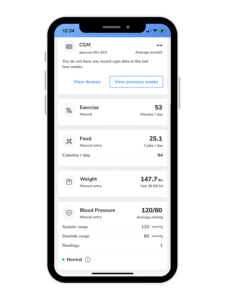
- Agnostic Integration of Biometric Data: Glooko seamlessly integrates readings from various connected health monitoring devices, including blood pressure (BP) monitors and smart scales. By tracking BP and weight trends over time, the platform provides clinicians with blood pressure and weight data — two primary, modifiable risk factors for cardiovascular disease. When this health data is integrated into the EHR and viewable alongside other patient data, clinicians can monitor these factors for cardiovascular disease.
- Nutrition and Lifestyle Management: The platform supports patient-entered nutrition logs and activity data. Clinicians can use this detailed lifestyle information to provide precise, personalized counseling on diet and exercise, directly supporting the lifestyle management required to reduce cardiac-related risks, such as hyperlipidemia and insulin resistance.
Risk Stratification: Using Glucose Data to Support Vascular Protection
Sustained poor glycemic control is the primary driver of both microvascular and macrovascular complications⁷. Glooko uses comprehensive, aggregated glycemic data to empower risk monitoring and population management:
- Identifying High-Risk Glycemic Patterns: The platform utilizes advanced pattern recognition algorithms to identify consistent trends in high glucose variability and poor Time in Range (TIR). These metrics are essential for assessing a patient’s overall risk for micro- and macrovascular complications.
- CGM Risk Stratification and Focused Care: For clinics managing large populations, Glooko’s data visualization allows for CGM risk stratification. By quickly identifying patient cohorts with persistently low TIR or high glycemic variability (GV), healthcare providers can efficiently focus their clinical resources and outreach efforts on the specific populations who are at the highest immediate risk of adverse cardiovascular outcomes.
Final Word: A Unified Approach to Preventing Complications

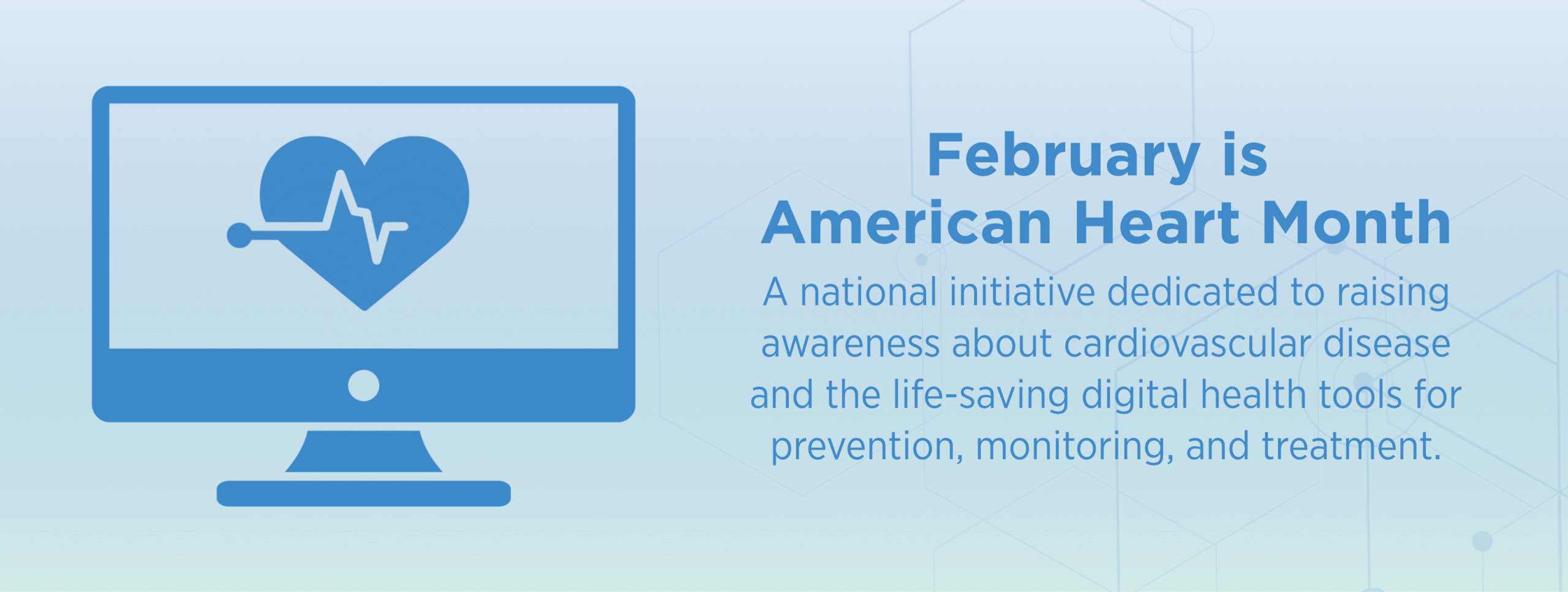
In observance of February’s American Heart Month, the capabilities of EndoTool and Glooko support effective glucose management, which is recognized as an important element of diabetes care and overall cardiovascular health.
EndoTool’s core strength is its 11-factor algorithm and EREI calculation for safe, precise, and effective inpatient glycemic control, which is vital for accelerating care transitions and improving long-term health. Glooko’s comprehensive digital outpatient tools, including pattern recognition in the Glooko Patient Summary and lifestyle data integration, provide actionable data for clinicians, empowering patients to maintain glycemic targets, and potentially prevent macrovascular and microvascular risk factors complications.
Together, these technologies support a continuous, data-driven approach to diabetes care, which can contribute to an important element of overall cardiovascular health and further the mission of heart health.
References
- American Diabetes Association. (2024). Standards of care in diabetes—2024. Diabetes Care, 47 (Supplement 1). https://diabetesjournals.org/care/issue/48/supplement_1
- American Heart Association. (n.d.). Diabetes significantly increases risk of heart attack, stroke. DeTar Healthcare System. Retrieved February 2, 2026, from https://www.detar.com/news-room/diabetes-significantly-increases-risk-of-heart-att-21990
- Buse, J. B., Ginsberg, H. N., Bakris, G. L., Clark, N. G., Costa, F., Eckel, R., Fonseca, V., Gerstein, H. C., Green, L. A., Konstam, M. A., Lorenzi, F., Materson, J. R., Mitchell, M. E., Smith, S. C., Jr., Pasternak, R. C., Reusch, J. E., Sacco, R. S., Smith, E. H., Vitek, M. E., & Zheng, D. (2010). Cardiovascular disease and diabetes: An update. Circulation, 122(3), e320–e334. https://pmc.ncbi.nlm.nih.gov/articles/PMC3028955/
- Cochran, S., Miller, E., Dunn, K., Burgess, W., Miles, W., & Lobdell, K. (2006). EndoTool software for tight glucose control for critically ill patients. Critical Care Medicine, 34(12), A68.
- Grundy, S. M. (2019). Obesity, cardiovascular disease, and the American Heart Association. Journal of the American Heart Association, 8(12), e011295. https://www.ahajournals.org/doi/10.1161/JAHA.118.011295
- Institute of Critical Care Medicine. (n.d.). [Specific guideline title related to glycemic control in critical care]. Retrieved February 2, 2026, from https://www.youtube.com/watch?v=aNpMzL1FLmU
- Laakso, M., & Lehto, S. (2014). Contributors to mortality in high-risk diabetic patients. Diabetes Care, 37(10), 2798–2804. https://diabetesjournals.org/care/article/37/10/2798/30903/Contributors-to-Mortality-in-High-Risk-Diabetic
- Price, C., & Aloi, J. (2024). Achieving Optimal Glucose Control in Critical Care Units at Atrium Health [Poster presentation]. American Diabetes Association 84th Scientific Sessions.
EndoTool is developed and marketed by Monarch Medical Technologies, a Glooko Company. EndoTool is an FDA-cleared Class II medical device indicated for inpatient use as described in its Instructions for Use. Glooko’s diabetes management platform and EndoTool are currently independent solutions. Patient-specific refers to EndoTool’s ability to use available patient information within the hospital’s electronic medical record to provide individualized insulin dosing recommendations. Recommendations are intended to assist, not replace, clinical judgment. All treatment decisions remain the responsibility of the licensed healthcare provider.
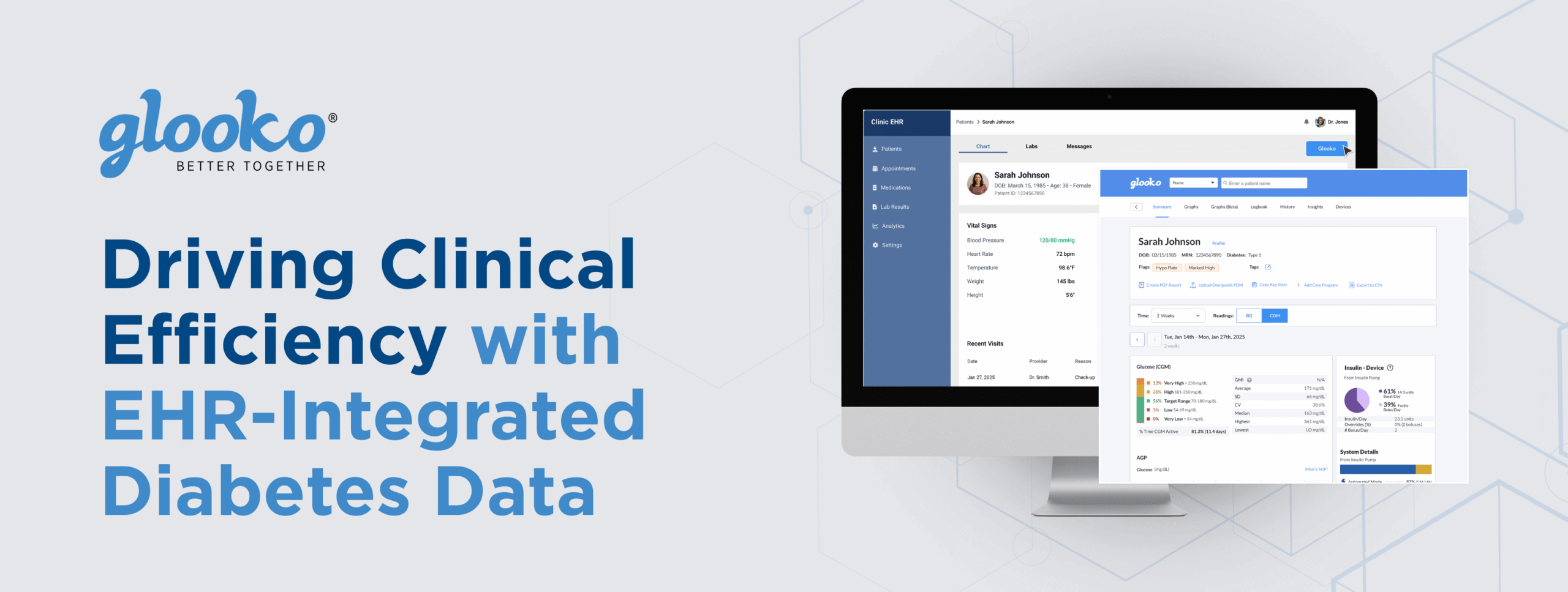
EHR integrations provide a single, holistic view of patient data to streamline clinical workflows and enable more informed, data-driven decision-making at the point of care for healthcare providers.
Rady Children’s Hospital Diabetes Program Director Carla Demeterco-Berggren, MD, PhD, and Michigan Medicine Project Manager Chris Dallas share how they leverage EHR-integrated diabetes workflows in the Glooko diabetes management platform to reduce manual burden, improve visibility, and scale team-based care.
Moderated by Glooko Senior Clinical Transformation Director Trisha Martinez, BSN, MBA, RN, the session also covers why bringing diabetes data directly into the EHR is critical for improving efficiency, coordination, and care delivery across health systems.
Key Takeaways
- Manual workflows eliminated: EHR integration replaces printing, scanning, copy/paste, and manual flowsheet entry with automated data delivery directly into the EHR.
- Significant time efficiency gains: Both Rady Children’s and Michigan Medicine reported meaningful reductions in documentation and intake time after integrating Glooko into their EHR workflows.
- Scalable, standardized care: One-click access, discrete flowsheet data, and remote visibility support telehealth expansion, improve coordination, and increase clinic capacity.
Watch the Webinar
Ready to bring diabetes patient data into the EHR?
Contact Team Glooko to discover how our seamless integrations with leading EHR systems, including Epic, Oracle Health, MEDITECH, Greenway Health, eClinicalWorks, NextGen, and Athenahealth, can transform your practice. By embedding our diabetes management platform directly within existing clinical workflows, we provide secure access to critical data while eliminating the inefficiency of switching between platforms.
MKT-0522 01
The diabetes industry won’t just evolve in 2026. It will continue to undergo a fundamental shift in how care is defined, delivered, and experienced. What was once a landscape dominated by manual tracking and reactive treatments has transformed into a proactive, connected, data-driven ecosystem of diabetes devices, management platforms, manufacturers, digital therapeutics, consumables, educators, and drug therapies.
In 2026, the focus is no longer just about managing diabetes, but about mastering it through integrated data, connected devices and apps, and AI-enabled insights. Glooko’s core mission has always been to bridge the gap between people living with diabetes and healthcare providers through clear, actionable data. This year, we are strengthening that connection by offering innovative solutions like EndoTool, developed by Monarch Medical Technologies, a Glooko Company, and Glooko. Together, these technologies can bridge the continuum of care from inpatient glycemic management to outpatient diabetes management.
To better understand where the industry is going, we asked our experts for their insights and predictions for 2026.
Advancing Diabetes and Glycemic Management in 2026
 “The diabetes landscape is set for a massive transformation in 2026. With the launch of the CMS ACCESS Model, we are shifting from simply tracking data to rewarding positive health outcomes during hospital stays. However, as a wave of new CGMs, AI-enabled health software and wearables, and smart pens hits the market, these technologies can quickly overwhelm outpatient care teams. Trusted digital health solutions that bridge these settings, unifying disparate devices into one clear, actionable clinical picture using data, will be key.
This move toward data liquidity means vital information is no longer trapped in a single device or clinical encounter. By integrating inpatient systems with outpatient platforms, care can be more proactive and continuous, especially as new federal quality measures for glycemic safety take full effect this year. We aren’t just looking at numbers anymore; we need to use intelligent, AI-powered insights to make the daily burden of diabetes feel lighter. We’re moving beyond ‘tech for tech’s sake’ and toward a simpler, more connected reality that puts the person before the data.”
– Mike Alvarez, CEO, Glooko
The Rise of New Digital Health Standards and Connected Care
 “In 2026, the strategic focus for health systems will shift from fragmented point solutions to a unified continuum of care. As hospitals face tightening margins and new outcome-based payment models like CMS ACCESS, they’ll seek integrated platforms that standardize management for chronic conditions like diabetes across both inpatient and outpatient settings. By consolidating disparate tools into a single, EHR-integrated ecosystem, systems can reduce the cost of maintaining multiple interfaces.
Remote patient monitoring will also see new life in 2026. New programs like the federal Rural Health Transformation Program are bridging the „digital divide” and refocusing on the benefits of connected, digital-forward care. This $50 billion funding allows underserved, rural clinics to adopt advanced AI and remote monitoring tools that were previously limited to urban centers, enabling evidence-based chronic condition management closer to home. By leveraging grants to modernize interoperability and cybersecurity, rural healthcare providers ensure that high-quality, connected diabetes care is no longer determined by a patient’s zip code, but is instead the universal standard.”
– Rich Glenn, President, Connected Care, Glooko
Evolving from Siloed Data Collection to Integrations and Precision Engagement
 “This year, we will keep expanding our current support of episodic care to include continuous care, evolving beyond our expertise in data collection to the design of digital ecosystems that bridge the gap between people with diabetes, their device data, and healthcare providers. This shift will replace fragmented data silos with a unified infrastructure where information from diabetes devices and health monitoring apps flow seamlessly into clinicians‘ primary workflows via EHR integrations. We must ensure that continuous data isn’t an overwhelming burden, but an enabling and actionable asset. This collaborative framework alleviates burnout by giving the entire care team an on-demand ‘single source of truth,’ allowing care teams to intervene proactively and spend less time navigating software and more time practicing at the tops of their licenses.
Given recent FDA guidance on wellness wearables and clinical decision support software, we may now be entering a new era of precision engagement fueled by AI. With the latest generations of CGM devices and automated insulin delivery (AID) systems, the field has already moved beyond just seeing data to predicting outcomes and using AI to forecast hypoglycemic events with immediate, context-rich alerts to the person with diabetes. This automation allows patients to manage their care more independently than ever before. However, people with diabetes still benefit from expert teams that can co-pilot their care. There will always be a vital need for care teams to step in when clinical complexity arises or the individual is not achieving their diabetes management goals.”
– Mark Clements, MD, PhD, Chief Medical and Strategy Officer, Glooko
Making Glycemic Safety a Mandatory Protocol
 “In 2026, inpatient glycemic safety will transition from a clinical preference to a mandatory system requirement. With CMS now linking reimbursement and quality ratings to the reporting of severe glycemic events, hospitals can no longer rely on the manual vigilance of individual clinicians to manage insulin therapy. Success now requires moving away from fragmented „sliding scale“ protocols and toward purpose-built platforms like EndoTool that ensure consistent, evidence-based dosing and the ability to track outcomes in real time. By treating glycemic management as core safety infrastructure, hospitals and health systems can reduce costly variability, meet new regulatory demands, and allow clinicians to focus on patient care rather than manual calculations.”
– Paul Chidester, MD, Medical Director, Glooko
View Dr. Chidester’s full 2026 outlook on glycemic safety
Solving Specialist Shortages and Clinician Burnout Through Integrated AI and Enhanced Patient Literacy
 “Clinician burnout will remain a top priority in 2026, driven in part by the mental exhaustion of managing disjointed tools outside the EHR. This year marks a turning point: embedding integrated data and interoperability within existing workflows will automate administrative tasks, streamline documentation, and provide unified patient views for better clinical decisions. The result will likely be improved provider capacity, proactive care delivery, and sustainable models that optimize both clinical and operational outcomes.
As the endocrinologist shortage intensifies, primary care teams will increasingly leverage specialized healthcare AI tools, including ChatGPT for Healthcare, to reduce administrative burden and enable top-of-scope care delivery, effectively increasing capacity without adding staff.
We will continue to be immersed in the era of the AI-empowered patient. Patients already use tools like ChatGPT Health to synthesize their data, including glucose trends and lab results, before appointments. This increasing health literacy will continue to transform basic data reviews into high-value, collaborative discussions where both clinicians and patients leverage AI for more informed decision-making.”
– Trisha Martinez, BSN, MBA, RN, Senior Director, Clinical Transformation, Glooko
Securing the Digital Health Ecosystem to Thwart AI-Driven Cyberattacks
 “In 2026, healthcare data privacy and cybersecurity will undergo a fundamental shift as cyber threats transition to AI-driven, autonomous models. Healthcare organizations must pivot toward ‘agentic resilience,’ a proactive approach leveraging agentic AI, autonomous systems capable of making decisions and executing tasks. These agents can address the vulnerabilities inherent in connected medical ecosystems, such as the possible cyberattack risks present in clinical workflows and medical devices, including connected insulin pumps and CGMs.
To mitigate security risks in 2026, healthcare organizations should also transition toward a robust security framework that replaces traditional passwords with identity-based access control and advanced authentication methods, such as biometric passkeys and MFA. By implementing universal verification, every access request can be rigorously validated regardless of its source, ensuring the integrity of clinical workflows and protecting sensitive health data from unauthorized entry.”
– Ben Chang, Vice President, Security and IT Operations, Glooko
Entering a Highly-Competitive, Integration-First Diabetes Device Ecosystem
 “We’re entering the year in a global diabetes landscape that has matured into a competitive, integration-first ecosystem that demands collaboration. With the global diabetes device market projected to exceed $37.9 billion, we are seeing an influx of regional manufacturers offering new device alternatives, giving healthcare providers and people with diabetes a wider array of care choices. This diversification is further accelerated by the mainstream adoption of tubeless patch pumps, CGMs, and non-invasive wearable technologies tailored for the Type 2 diabetes and wellness segments.
From a partnership perspective, these trends reinforce a vital market truth that hardware is no longer a standalone solution. As the number of devices expands, the ultimate competitive advantage belongs to those who prioritize interoperability, integrating effortlessly into the patient’s life and the clinician’s EHR system.”
– Dave Conn, Executive Vice President, Global Alliances, Glooko
Furthering Connected Diabetes Care in Europe
 „We’ll continue to move away from disconnected diabetes devices and toward integrated digital ecosystems. As connected care becomes the standard for delivering value, diabetes management will increasingly rely on a coordinated combination of medication, smart hardware, and artificial intelligence, all operating under the supervision of healthcare professionals through structured remote monitoring.
For remote monitoring to be effectively adopted, it must be embedded within national and regulatory frameworks defined by local health authorities. Strict alignment with evolving EU regulations on AI and health data will also remain a central priority.
In terms of devices, the evolution of algorithm-driven AID systems into sophisticated ‘digital companions’ will be the catalyst for a broader diabetes management transformation. By combining predictive AI with remote monitoring, healthcare providers can anticipate patient needs and manage populations remotely, offering a scalable solution to Europe’s workforce challenges by effectively shifting care from hospital settings into the home.“
– Alex Evans, Vice President, Connected Care, EMEA, Glooko
Smarter Technology to Empower People Living with Diabetes
 „Over the past few years, managing my diabetes finally felt less like a full-time job and more like a background app running on my phone. We’ve moved away from the constant stress of finger sticks and manual math thanks to the latest AID systems and high-tech sensors that talk to each other better than ever before. These smart systems do the heavy lifting for many, catching highs and lows before they even happen, which takes a huge weight off the shoulders of people with diabetes. Even for those of us who don’t use a pump, connected smart pens can now automatically log every dose, so there’s a lot less guessing and worrying. In 2026, I think we’ll see even more technology that helps to further reduce burnout, keep costs more manageable, and help people stay in range, while thinking about diabetes a little less.”
– Hadley Horton, Senior Partner Manager, Glooko
Ready to prepare your hospital, health system, or clinic for the rest of 2026?
Contact our team for a demo of our outpatient Glooko diabetes management platform and inpatient EndoTool Glucose Management System.
EndoTool is developed and marketed by Monarch Medical Technologies, a Glooko Company. EndoTool is an FDA-cleared Class II medical device indicated for inpatient use as described in its Instructions for Use. Glooko’s diabetes management platform and EndoTool are currently independent solutions.
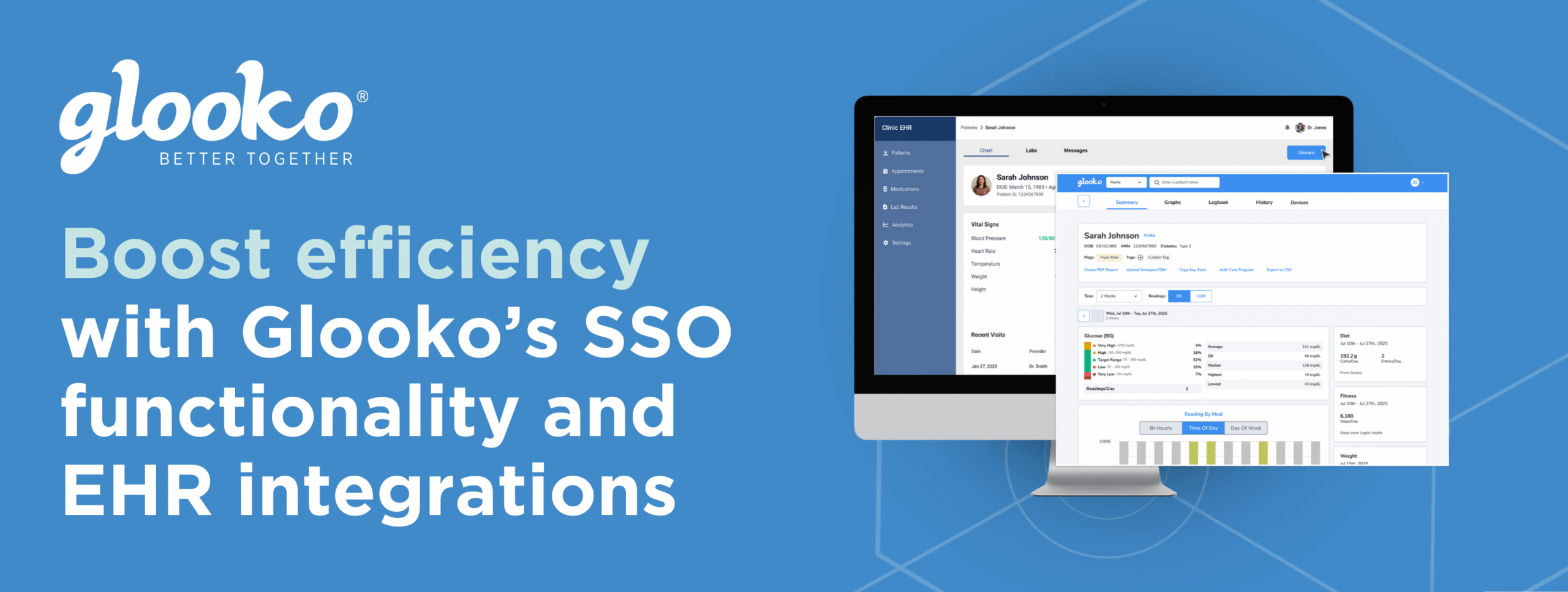
In clinics and hospitals across Europe, healthcare providers are facing the common challenge of administrative overload.
We’ve heard that care teams at clinics and hospitals in the United Kingdom, Germany, Austria, Switzerland, Norway, Sweden, and Denmark need a more streamlined way to securely access our diabetes management platform and a more seamless integration of health data of patients into their daily clinical workflows.
Designed to streamline diabetes care workflows, our latest enhancements, including SSO and EHR integration, aim to provide secure access, automate workflows, and save care teams time.
Simplified and Secure Access with Single Sign-On

In fast-paced clinical environments, every second counts. Between patient consultations and appointment follow-ups, the last thing healthcare professionals need is another set of login credentials to memorize.
To increase efficiency, the Glooko diabetes management platform, compliant with GDPR and the NHS Data Security & Protection Toolkit, features single sign-on (SSO) functionality. Instead of using a separate username and password, clinical teams can access Glooko using their existing hospital credentials.
Why are clinics switching to SSO in Europe?
- Seamless Access: The experience is intuitive. Users simply enter their professional email address and Glooko automatically authenticates them against their healthcare organization’s existing identity management platform.
- Enhanced Security: By leveraging a hospital’s existing security protocols, SSO reduces the risks associated with weak or recycled passwords, keeping sensitive patient health data secure.
- Maximum Efficiency: No more time wasted on login screens, forgotten password requests, and locked accounts.
- Fast Implementation: The setup process is straightforward and we can typically have healthcare organizations connected to our platform, backed by leading security certifications, in less than two days.
End Manual Data Entry and Stop Toggling with EHR Interoperability

The administrative burden of maintaining patient records is one of the primary causes of clinician burnout. Too often, healthcare providers are forced to act as data entry clerks, manually transcribing glucose logs, insulin data, and reports into the EHR (electronic health record), instead of analyzing that data to improve care.
To eliminate this manual work and limit switching between screens, Glooko offers integrations designed to automate the flow of health information, making the EHR and our diabetes management platform work as a unified system.
By bridging the gap between systems, Glooko helps reduce manual burden and combat clinician burnout:
- Launch from EHR: Open a patient’s full Glooko profile directly from the EHR interface. No extra tabs, no re-searching for names.
- Sync to EHR: Automatically upload diabetes data and detailed reports from Glooko straight into the EHR to keep more comprehensive patient records.
By connecting these two systems, care teams can spend less time managing software and more time with their patients.
Ready to simplify your clinic’s digital environment?
Contact Team Glooko to find out the next steps needed to activate SSO and integrate our innovative diabetes management solution into the EHR.
For technical details, visit our API and EHR Integration Portal.
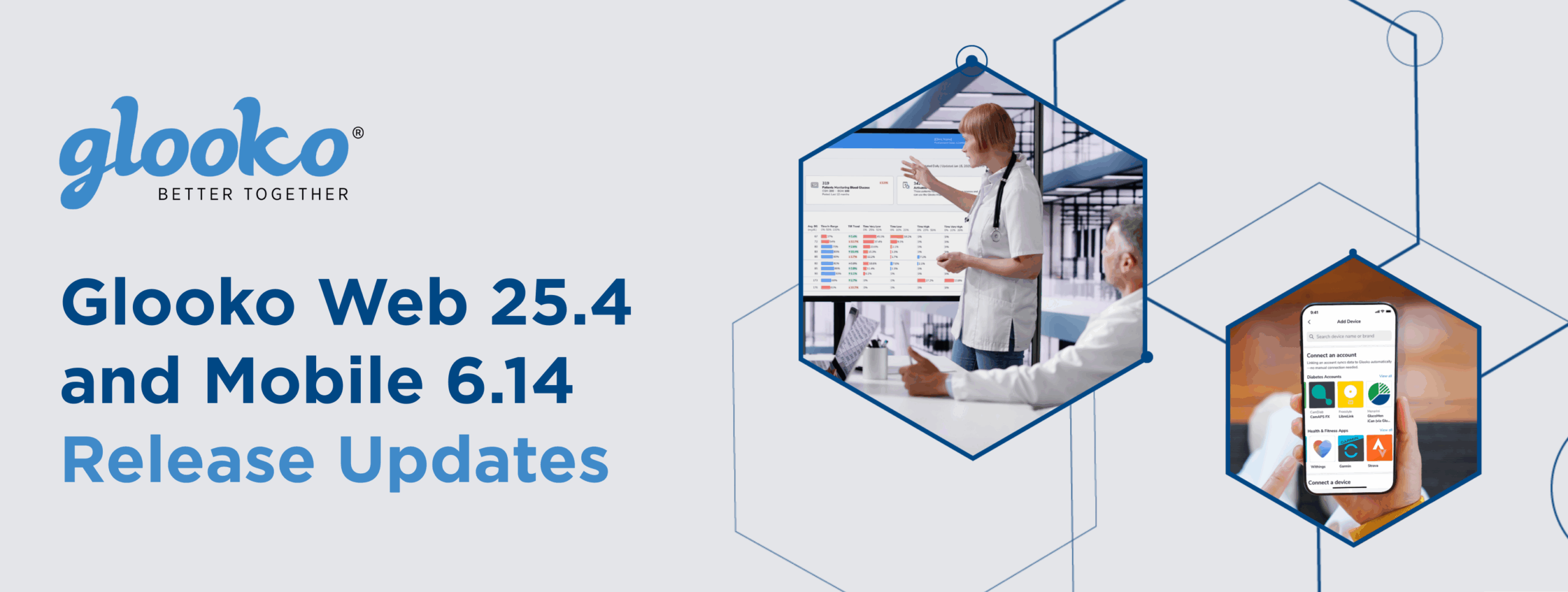
We’re excited to share the latest updates included in Glooko Web 25.4 and Glooko Mobile 6.14, which are designed to help healthcare providers and care teams move faster with easier-to-understand risk insights, while also making it easier for people living with diabetes to connect devices and apps and remotely share data with their care teams.
Enhancements to the Glooko Clinic Dashboard
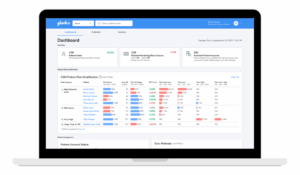 The Glooko clinic dashboard, designed to improve diabetes population health management and available in select countries, now features enhanced usability and accuracy improvements, making risk insights clearer for faster action across clinics, hospitals, and health systems.
Other enhancements to our population health tool include:
- Clearer risk visibility: An updated Time in Range layout makes low and very low glucose risk easier to identify at a glance.
- Smarter patient ranking: Patients with diabetes are prioritized by risk category, then by severity of the triggering metric.
- More precise metrics: Risk indicators are displayed with greater precision for clearer comparison and trend tracking.
More Efficient Patient Review in the Glooko Web App
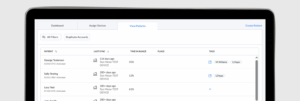 The patient list in the Glooko Web App for healthcare providers has been enhanced to support faster, more efficient workflows and smoother navigation.
Care teams can now see more patient data at once with a wider default view that reduces horizontal scrolling, sort patients better with improved cues that make patient order easier to understand, and see key context through a revised header that stays visible as they scroll through the list.
Streamlined Clinical Workflows with Full Glooko Access in Epic
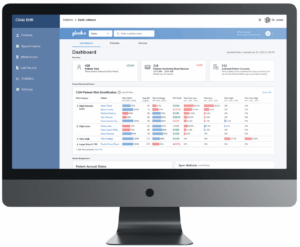 Healthcare providers using Patient Portal for Professionals can now access the full Glooko Web App directly within the Epic EHR system using SSO via SMaRT on FHIR, reducing platform switching and streamlining daily workflows.
Some of the benefits of this helpful enhancement include launching our diabetes management platform without leaving the EHR or logging in again, the use of core features including the clinic dashboard, patient list, and device assignment within Epic, faster review and action using key patient diabetes data, and reduced clinician burnout from not context switching.
If your clinic is interested in this feature, please email [email protected].
Simplified Device and App Management for People with Diabetes
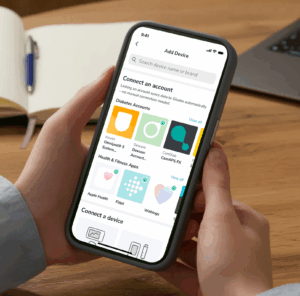 Managing diabetes and health monitoring devices and apps is now quicker and intuitive in the Glooko Mobile App.
Our newly enhanced search and smarter filtering, better device categorization, and refreshed visuals, including logos, make it easier for people with diabetes to find and connect their devices and apps with fewer clicks. The update also features shortcuts to speed up Glooko’s seamless integration with more than 200 compatible diabetes and health monitoring devices and apps. Once connected, patient data can be securely shared remotely with care teams who can make more informed treatment decisions.
More Information on the Latest Glooko Release
To learn more about these updates, check out the full release notes on our Support Center or reach out to your dedicated Glooko Customer Success Manager.
 Every year, the American Diabetes Association (ADA) updates its Standards of Care in Diabetes, the clinical foundation that guides how we screen, diagnose, manage, and support people living with diabetes. The 2026 guidelines are among the most comprehensive to date, with a clear message: diabetes care must evolve to meet rising complexity, widening gaps in care, and the growing urgency to improve outcomes across entire populations.
This year’s recommendations underscore that our work in connected care has never been more important.
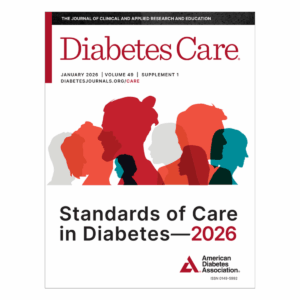
Population health requires stronger systems, better data, and integrated teams
The Standards highlight that population health is not simply a measurement framework, but rather a commitment to improving outcomes for groups of people who experience very different barriers, risks, and trajectories. The ADA emphasizes team-based, patient-specific care, timely treatment decisions, reliable data metrics to track quality, and a culture of continuous improvement across health systems.
These priorities mirror what clinicians experience every day: fragmented systems, variable follow-up, and the challenge of navigating high-risk patients without the right tools or insights. Platforms like Glooko, which provide timely insights, structured data access, clinical integration directly into the EHR, and simplified workflows, play a direct role in enabling the proactive care models the ADA calls for. When healthcare professionals manage a large population of patients with diabetes, they often lack a clear, organized, and comprehensive view of patients’ pertinent health data.
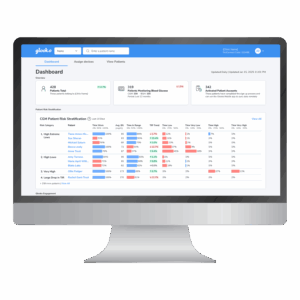 To help address this challenge, we designed the new clinic dashboard in the Glooko diabetes management platform. This is critical in providing insights into metabolic factors and indications of clinical risk to facilitate shared decision making conversations in a personalized way, with patients and their support systems.This patient-centric approach helps healthcare providers–including primary care providers, endocrinologists, and nurses, at hospitals, health systems, and clinics–provide individualized care recommendations that are patient-specific.
The Population Metrics section of the new Glooko clinic dashboard helps care teams understand the overall health and engagement of their clinic’s patient population in a centralized and concise view. By centralizing population-level metrics, care teams can more quickly identify disengaged patients, prioritize outreach, and intervene earlier, supporting both quality goals and clinic efficiency.
Glycemic management is becoming more nuanced and more actionable
 The 2026 Standards reinforce the importance of individualized glycemic assessment. A1C remains central, but ADA again stresses the clinical value of time in range (TIR), time below range (TBR), and continuous glucose monitoring (CGM) metrics for real-time, person-centered care. We observed similar trends in our 2025 Annual Diabetes Report.
For many clinicians, the challenge is not whether to use CGMs, it’s how to interpret data efficiently and translate trends into action. This is where connected, device-agnostic platforms are essential. Having glucose data delivered in clinically meaningful formats, integrated with insulin dosing, meals, and activity, allows teams to identify risks earlier, adjust therapy faster, and support patients between visits.
This is especially critical for populations highlighted in the Standards: individuals facing food or housing insecurity, young adults with rising complication rates, rural communities with limited access, and older adults with shifting needs. Digital tools do not replace clinicians; they expand their reach.
Inpatient glycemic safety: Operationalizing the ADA’s call for safer insulin use
 The 2026 Standards dedicate significant space to preventing hypoglycemia, hyperglycemia, and hyperglycemic crises, events that disproportionately impact people with diabetes during hospitalization or acute illness. ADA guidance reinforces the need for:
- Structured insulin protocols
- Frequent monitoring to adjust dosing
- Systems that minimize variation in clinical decision-making
- Approaches that reduce risk during periods of physiologic instability
This is exactly where EndoTool, developed by Monarch Medical Technologies, a Glooko Company, plays a transformative role. EndoTool brings advanced, patient-specific insulin dosing to inpatient settings, enabling dynamic adjustments based on each patient’s evolving physiology. By reducing glycemic variability and supporting timely identification of trends, EndoTool aligns directly with ADA recommendations around individualized glycemic targets, hypoglycemia prevention, and safer transitions of care.
As health systems work to connect inpatient and outpatient data streams, as the Standards increasingly encourage, EndoTool and Glooko have the potential to create a more actionable ecosystem. Patients leave the hospital with a more stable glycemic trajectory, and outpatient teams gain a clearer picture of what occurred during admission, supporting smoother recovery and reduced readmissions.
A vision aligned with where diabetes care is going
Across all 2026 recommendations, a single theme stands out: better outcomes depend on proactive, connected, team-based, data-driven care. The Standards call for more timely therapy changes, broader Diabetes Self-Management Education and Support (DSMES) access, stronger telehealth offerings, and improved system-level accountability.
At Glooko, we’re proud to support clinicians and health systems in delivering on those goals by making diabetes data easier to use, helping teams coordinate more effectively, and empowering people with diabetes with insights that fit their daily lives.
The work ahead is significant, but the path is clearer than ever. Together, we can turn these standards into sustained, measurable improvements in the health of patients and the clinician experience.
EndoTool is developed and marketed by Monarch Medical Technologies, a Glooko Company. EndoTool is an FDA-cleared Class II medical device indicated for inpatient use as described in its Instructions for Use. Glooko’s diabetes management platform and EndoTool are currently independent solutions.
 Last month, I had the opportunity to attend the IHI Forum, an annual conference that brings together passionate healthcare professionals interested in advancing quality improvement, patient safety, and closing care gaps together. I was inspired by the many ideas shared during keynotes, sessions, and workshops tied to the theme of transforming healthcare by increasing safety, reducing complication severity, and improving sustainability.
My biggest takeaway: the conversation around ROI in healthcare is shifting toward acknowledging that the strongest ROI comes from prioritizing safety and outcomes. When care is safer and complications are reduced, cost savings naturally follow.
The many insights made me think about how digital health technologies, like the Glooko diabetes management platform and EndoTool Glucose Management System, developed by Monarch Medical Technologies, a Glooko Company, can create real, measurable value for hospitals and health systems.
Implementing Digital Solutions to Reduce Costs and Clinical Overhead
To achieve meaningful financial impact, healthcare organizations can map value streams directly to clinical outcomes, an effort that has become very common across the healthcare industry. By improving patient outcomes and reducing the incidence and severity of glycemic events through timely intervention, healthcare providers can shift their focus toward cost avoidance.
This cost-cutting effort is primarily achieved by reducing the frequency of high-cost events like diabetic ketoacidosis (DKA) or severe hypoglycemia, both proven to be reduced through use of the EndoTool inpatient platform, and mitigating the severity of complications. These improvements not only protect patient health, but also significantly lower the financial burden associated with emergency hospitalizations.
From an operational perspective, broader adoption of digital health solutions that integrate seamlessly into EHR systems, like Glooko and EndoTool, drive revenue by minimizing administrative burden and eliminating the physical costs of traditional paper-based documentation. This transition supports a smaller carbon footprint while streamlining Diagnostic Related Group (DRG) cost structures. By automating data entry and refining monitoring systems, hospitals can reduce manual labor hours, alleviate the hidden costs of alarm fatigue, and successfully decrease the average Length of Stay (LOS) for patients.
Advancing Innovation for Better Health Outcomes
 In the landscape of modern healthcare rankings, the severity of patient complications has become a defining metric, often accounting for a significant portion of the evaluation of hospitals in reports like U.S. News & World Report’s annual Best Hospital rankings.
To address this, healthcare providers must look beyond basic data collection and focus on innovative digital health tools that actively mitigate these risks. For example, hospital readmissions could be reduced when healthcare providers are issued remote monitoring alerts based on trends in a patient’s health. Doctors may also shorten hospital stays if they have the ability to remotely monitor vitals.
By integrating capabilities like remote monitoring in the Glooko diabetes management platform, clinics can demonstrate a measurable reduction in the severity of outcomes, providing a safer patient experience while potentially strengthening their standing in critical industry benchmarks, including the CMS Overall Hospital Quality Star Rating and Newsweek’s „America’s Best-In-State Hospitals.“
Real impact starts with a deep dive into existing workflows to find and fix hidden gaps in diabetes care. Care teams can map out the root causes of care gaps and pinpoint exactly where digital solutions can bridge them. For instance, Glooko’s acquisition of Monarch Medical Technologies will help bridge the gap between inpatient glycemic management and outpatient diabetes care in the future. This future state, advancing continuity of care, can create a more unified ecosystem that manages diabetes holistically and helps ensure no patients feel isolated in their journey.
Improving the Patient, Family, and Staff Experience
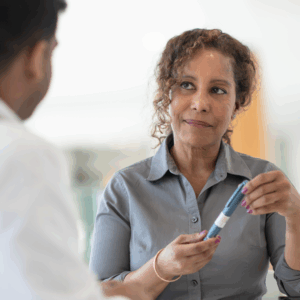 To define success beyond traditional clinical metrics, the focus of ROI must shift toward the holistic quality of life for patients in the hospital or at home and their families.
Our solutions aim to improve the patient experience by shortening hospital stays and fostering a more restorative healing environment. By proactively managing glycemic health and reducing the severity of acute events, we allow patients and their caregivers to focus on recovery and living their life day-to-day rather than the stress of a potential health crisis.
We truly believe clinicians should spend more time with patients and less time with paperwork. That’s why we’ve designed our glycemic and diabetes management solutions with the care teams in mind. By automating data flows and simplifying complex glycemic management, we remove the „manual logistics“ and heavy cognitive load that lead to burnout and reduce patient safety.
This efficiency doesn’t just improve the bottom line but could help prevent expensive complications like DKA and severe glycemic events. It creates a sustainable work environment where care teams feel empowered to provide high-value, compassionate care without being tethered to a screen.
Furthering Sustainable Practices through EHR Integrations
 Sustainability and person-centered care are inseparable as it is critical we focus on the holistic well-being of the patient and their community.
Sustainability has transitioned from an elective corporate responsibility to a core operational mandate for healthcare executives. For leadership, prioritizing sustainable practices is not just about environmental stewardship. It is a strategic lever for improving patient outcomes, ensuring long-term financial viability and fulfilling the mission of „first, do no harm.”
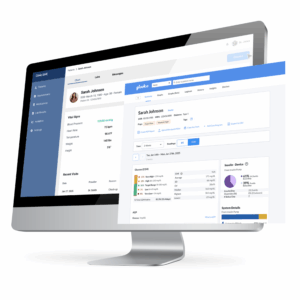
By digitizing workflows and leveraging built-in EHR integrations, hospitals and clinics can move away from paper-heavy documentation, significantly reducing paper waste and recycling expenses. This transition doesn’t just lower operational costs as it also shrinks the carbon footprint of the practice, aligning financial savings with environmental sustainability.
Glooko and EndoTool help healthcare providers slash overheads by eliminating the physical and environmental burdens of traditional diabetes management through the solutions’ EHR integrations, future-proofing sustainability efforts.
Ready for a Glimpse into the Cost-Efficient Future of Diabetes Care?
Connect with a Glooko rep today to learn how our diabetes and glycemic management solutions can help reduce your costs, while improving health outcomes.
EndoTool is developed and marketed by Monarch Medical Technologies, a Glooko Company. EndoTool is an FDA-cleared Class II medical device indicated for inpatient use as described in its Instructions for Use. Glooko’s diabetes management platform and EndoTool are currently independent solutions.
 As 2025 comes to a close, it is clear that this has been a defining year for Glooko and for the broader evolution of diabetes care. Following the close of our Series F, we entered the year with a clear focus: deliver on our strategy, expand our global impact, and continue building technology that helps make diabetes care more connected, actionable, and human.
Accelerating our Mission through Strategic Leadership and a Connected Care Continuum
 Over the past year, we reached several important milestones in support of that goal. We expanded our capabilities through the acquisition of Monarch Medical Technologies and its EndoTool Glucose Management System, bringing together complementary capabilities across outpatient and inpatient diabetes and glycemic management.
We strengthened our ecosystem with the launch of our Abbott FreeStyle Libre integration in the U.S., helping ensure that critical glucose data can flow more seamlessly to people with diabetes and their care teams.
We also reinforced our clinical leadership with the appointment of Mark Clements, M.D., Ph.D., as Chief Medical and Strategy Officer, underscoring our commitment to evidence-based innovation and strong clinical partnership.
Driving Digital Health Adoption in EMEA
We also saw meaningful traction across geographies and care settings.
 In EMEA, we continued to expand our presence as health systems look for scalable, interoperable digital solutions to support diabetes care. At the same time, Glooko XT, our remote monitoring solution available only in France, introduced new features and strengthened its gestational diabetes management capability, an area where timely insights and coordinated care are critical for both maternal and fetal outcomes. These areas of momentum reflect the growing demand for digital tools that can support diverse patient populations and clinical workflows.
Further Enhancing our Diabetes Management Platform to Improve Care
On the product front, we continued to invest in tools designed for the realities of care delivery.
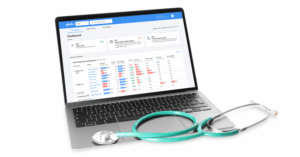 The launch of the new Glooko clinic dashboard marked an important step forward in helping clinics and health systems move beyond raw data to clearer insights, enabling more informed, timely decisions at the point of care. Across the organization, we remained focused on bringing teams together around a shared mission and shared standards, ensuring that our growth continues to be purposeful and aligned.
A reality faced by care teams each day is the need for timely, actionable data within existing clinical workflows. That’s why we invested further into our EHR capabilities this year and joined the Epic Showroom to make it easier for hospitals and health systems to seamlessly integrate their EHR with Glooko, helping reduce clinician burnout and optimize clinical workflows.
 The Glooko Mobile App for people with diabetes also continued to innovate in 2025 with a redesigned food tracker for more insightful nutrition data and insights, revised insulin cards for more clarity, and viewable GLP-1 doses. These enhancements enable care teams to make more informed and timely treatment decisions between appointments using their patients’ health data – all viewable in one place.
How the U.S. Healthcare System is Moving Toward Data-Driven, Accountable Diabetes Care
These milestones matter, but they are occurring against a broader backdrop of change in healthcare that strongly validates this direction. The latest American Diabetes Association’s Standards of Care reinforce what clinicians and people with diabetes have long understood: technology-enabled management and data-driven insights are now foundational to delivering high-quality diabetes care.
At the same time, policy initiatives such as the CMS ACCESS program signal a growing emphasis on interoperability, data liquidity, and the responsible use of health data to improve outcomes at scale.
Together, these shifts point to a future in which diabetes care is increasingly proactive rather than reactive, and where data is not simply collected, but translated into meaningful action.
Regulatory momentum is reinforcing the importance of consistent, evidence-based glycemic management across care settings. CMS’s upcoming electronic clinical quality measure (eCQM) requirements for inpatient glycemic management, expected to take effect in 2026, reflect a growing emphasis on standardization, measurement, and accountability in hospital-based diabetes care. Solutions like EndoTool are at the forefront of this shift, helping health systems operationalize best practices, support clinical decision-making, and drive more reliable glycemic outcomes at scale.
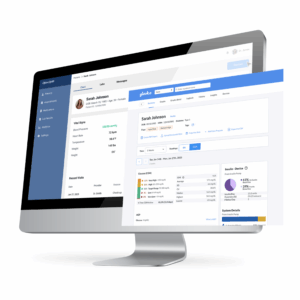 For healthcare providers and care teams, this evolution brings both opportunity and urgency. As care becomes more continuous and data-rich, success depends on having tools, like Glooko’s EHR integrations, that reduce complexity, surface what matters most, and fit naturally into clinical workflows. The goal is not more data for its own sake, but clearer insight that supports better decisions and more personalized care.
For health systems, the focus is expanding to population-level impact. Managing chronic disease across diverse populations requires platforms that enable earlier intervention, more consistent care, and coordination across settings. Interoperable digital solutions, like Glooko, are becoming essential infrastructure for balancing quality, efficiency, and cost in an increasingly complex care environment.
Leveraging Scalable Healthcare Technology to Deliver Consistent Diabetes Care Around the World
Globally, the stakes are even higher. Diabetes prevalence continues to rise across regions with very different healthcare resources and delivery models. Scalable digital health solutions offer a path to extend evidence-based care, support clinicians, and bring greater consistency to diabetes management worldwide. As global standards and policies evolve, technology will play a central role in enabling more equitable access to high-quality care.
The Road Ahead for Glooko
Looking ahead, our focus at Glooko remains clear. We will continue investing in platforms that turn diabetes data into insight, insight into action, and action into better outcomes. We will deepen partnerships across the ecosystem and stay closely aligned with clinicians, health systems, and people with diabetes as their needs continue to evolve.
2025 was a year of momentum for Glooko. More importantly, it reinforced why our mission matters. As the future of diabetes care continues to take shape, we are energized by the opportunity to help lead the way.
EndoTool is developed and marketed by Monarch Medical Technologies, a Glooko Company. EndoTool is an FDA-cleared Class II medical device indicated for inpatient use as described in its Instructions for Use. Glooko’s diabetes management platform and EndoTool are currently independent solutions.
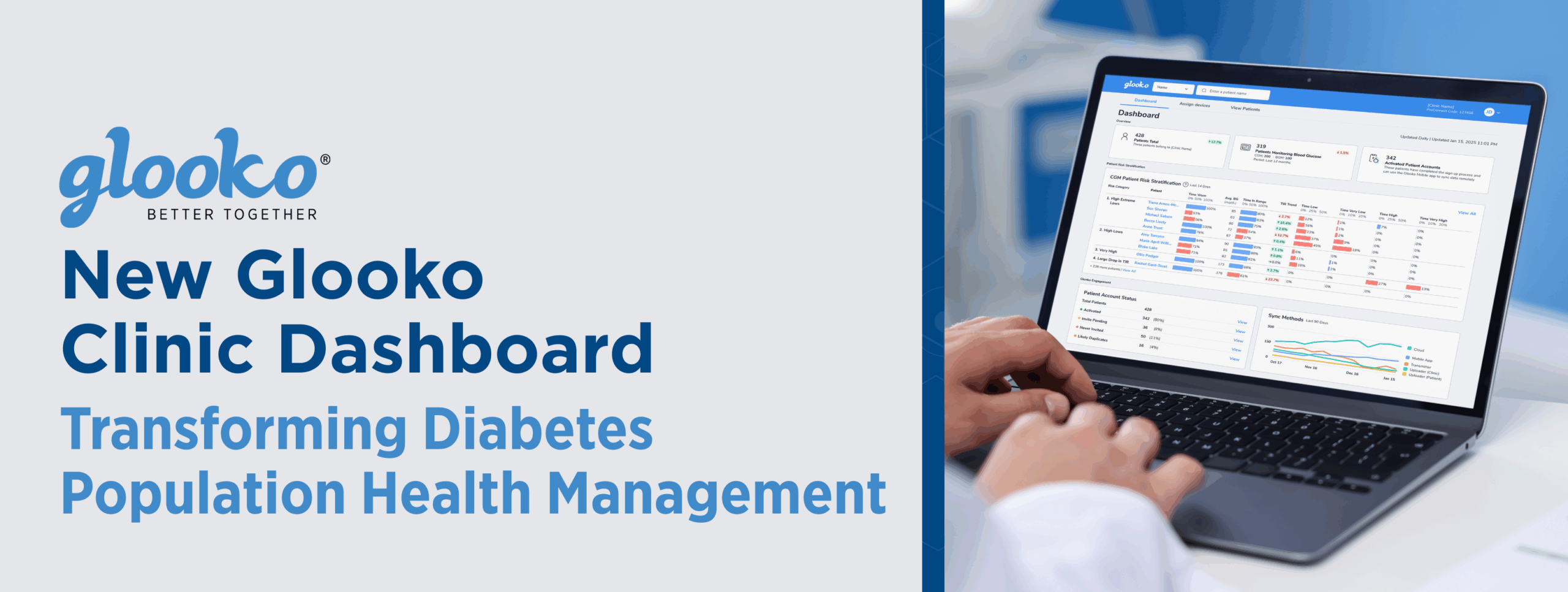
Healthcare providers struggle to manage large diabetes populations without a comprehensive view of patient data.
During this webinar, Glooko Chief Medical and Strategy Officer Mark Clements, MD, PhD, and Glooko Senior Clinical Transformation Director Trisha Martinez, BSN, MBA, RN, explore the new Glooko clinic dashboard, a powerful tool designed to streamline diabetes population health management and enable smarter care across hospitals, health systems, and clinics.
Our clinical experts take a deep dive into this user-friendly dashboard, available in select countries, and showcase its at-a-glance insights into patient trends and key clinic metrics that can help care teams easily interpret complex data for more efficient decision-making.
Ready to optimize diabetes population health management?
Contact Team Glooko for a demo of our new clinic dashboard, which helps healthcare teams manage large diabetes populations more effectively by prioritizing care and boosting patient engagement.
MKT-0468
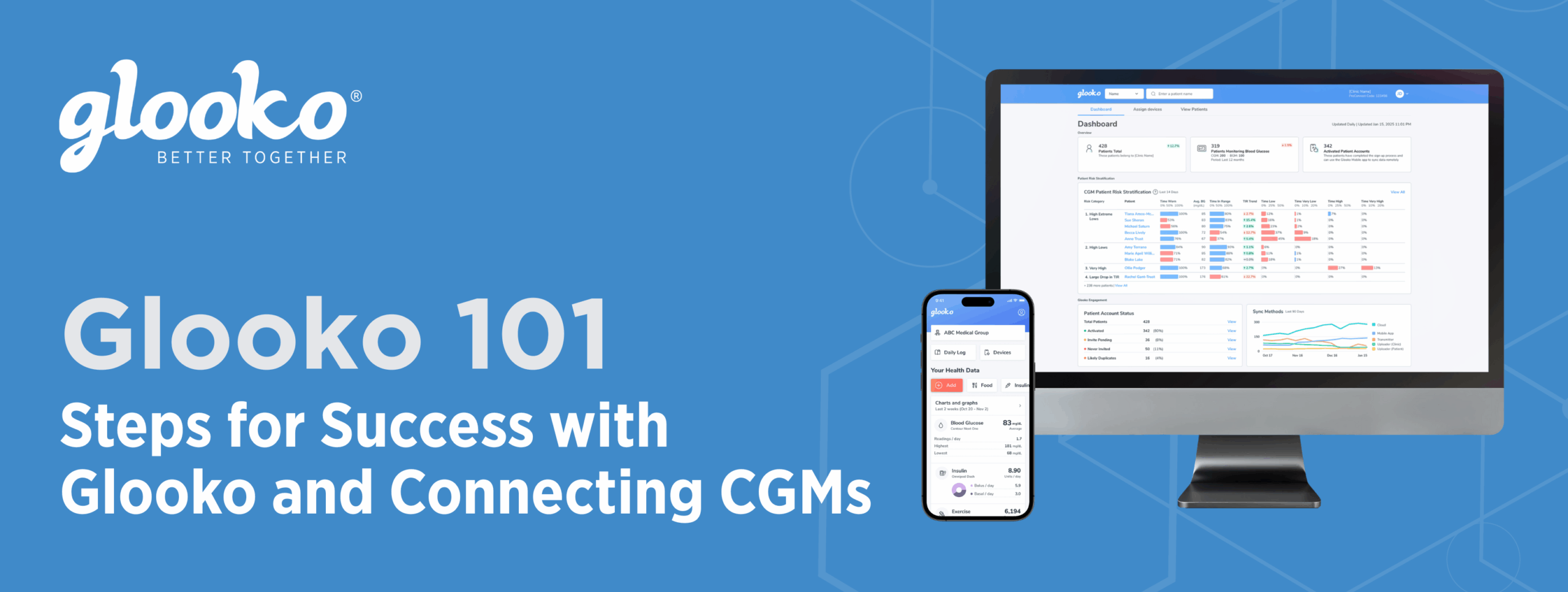
During this Glooko 101 webinar, Glooko Senior Director of Clinical Transformation Trisha Martinez, BSN, MBA, RN, helps healthcare providers, including endocrinologists, nurses, and certified diabetes care and education specialists, get the most out of their professional Glooko account, reviewing core features and tools that support clinical workflows for both new users and those looking for a refresher.
This session also covers best practices for onboarding patients with diabetes using continuous glucose monitors (CGMs), including how to connect CGM data to Glooko to ensure seamless access to glucose trends and actionable insights from day one.
Time to Optimize your Diabetes Practice
Book a one-on-one session with Team Glooko today to better understand how to optimize Glooko from the start, get customized guidance on connecting CGM data, and gain access to actionable glucose trends care teams need.
MKT-0473